✦ Now welcoming new patients  ·  Toothache? Call early for the first available time  ·  HICAPS, Afterpay, SuperCare & most health fundsPoint Cook · (03) 8338 1515
Point Cook · Scans and 3D images

Digital scanning & 3D imaging in Point Cook.

Digital scanning captures a 3D model of your teeth with a small handheld camera instead of a tray of putty, and 3D imaging (cone-beam CT) shows teeth, roots, nerves and bone from every angle. This page explains both in plain terms. If your treatment at Magical Smiles Point Cook, such as an implant or wisdom teeth removal, calls for either, your dentist will explain how and where it is done.

Does this sound familiar?

Ever wondered what is on that screen?

Plenty of people see dental technology before anyone explains it: a handheld scanner, a screen showing a model of their teeth, or a machine that turns slowly around their head for an x-ray.

Interested in lasers instead? Read how dental lasers work. For whitening, see laser whitening versus lamp whitening.
  • You gagged on a putty tray once and would rather not again.
  • You've seen a 3D model of teeth on a screen and wondered how it was made.
  • You're considering aligners, implants or wisdom teeth removal and want to know how they are planned.
  • You'd like to see your teeth the way your dentist does.
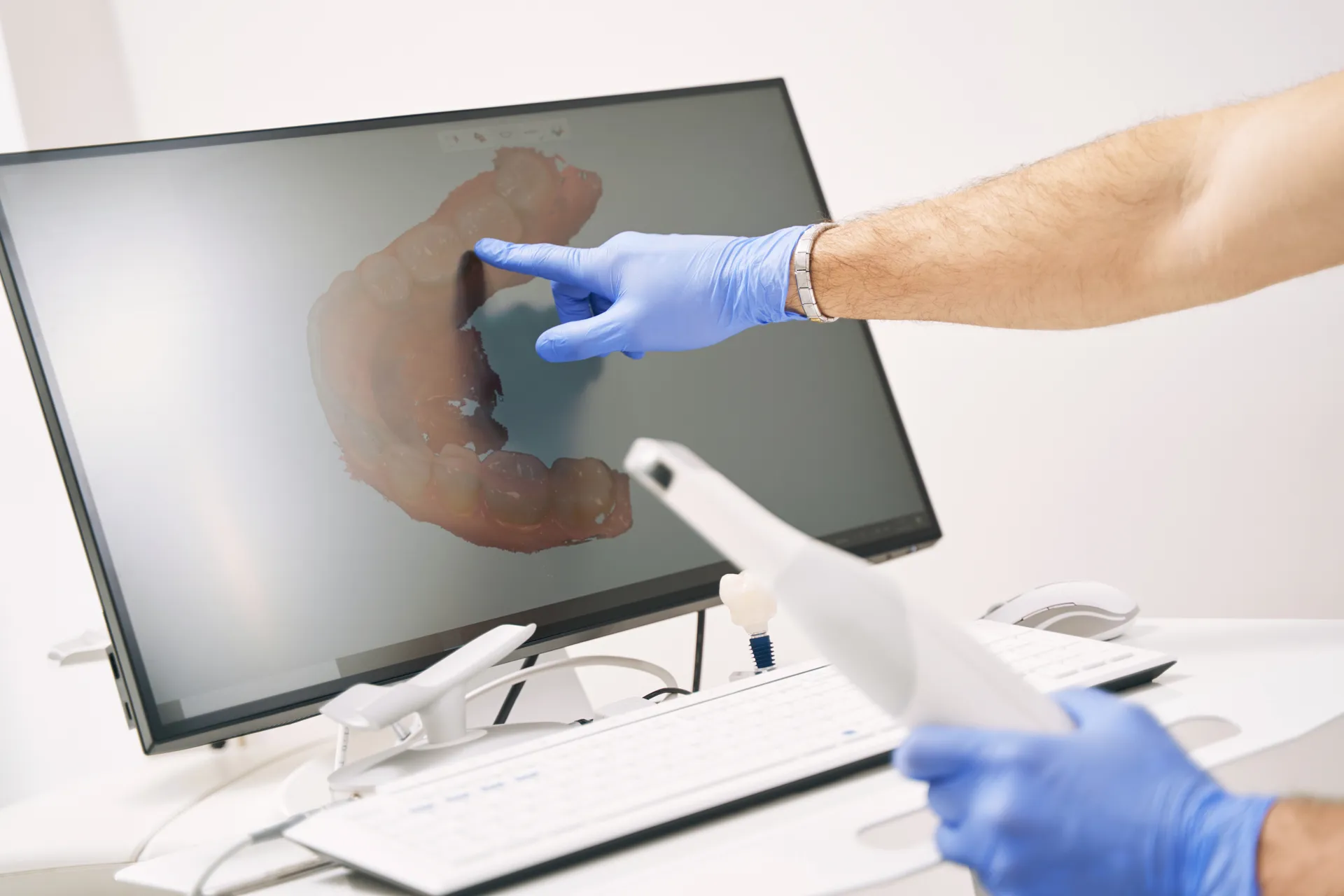
A dentist pointing to a digital 3D model of a patient's teeth on a monitor
Your teeth, on screen
Digital scanning

A scan instead of putty.

An intraoral scanner is a small handheld device with a camera in the tip. As it moves around your mouth it takes many pictures and stitches them into a 3D model of your teeth and gums, shown live on a screen. Any gap can be rescanned straight away.

For treatments such as clear aligners, crowns, mouthguards and retainers, a scan can replace the impression tray and putty. There is nothing to set and no taste, and you can look at the model with your dentist.

The Better Health Channel describes the same choice for crowns, bridges and ceramic veneers: the mould is taken as an impression or a digital scan and sent to a lab, and a second appointment is usually needed to fit the finished work.

Looking for information on gentle numbing instead? See computer-controlled anaesthetic.

A digital scan in progress
3D imaging

More than a flat x-ray.

Cone-beam CT, explained
  • Every angle. Instead of one flat picture, cone-beam CT builds a 3D view of teeth, roots, nerves and bone.
  • Better planning. That detail helps with implants, wisdom teeth and some orthodontic and root canal cases.
  • Only when needed. A standard x-ray is often enough. 3D imaging is recommended only when it will change or improve your plan.

All x-ray imaging, including 3D, should be used only when it is clinically justified. Your dentist will explain where and how any 3D image would be taken.

healthdirect (last reviewed February 2025) lists x-rays among the things a dental check-up may include, to check for disease, infection, teeth that haven't come through and damage to the jaw bone. For eligible children, x-rays are among the services the Child Dental Benefits Schedule covers, up to $1,158 over two calendar years (or $1,132 if their two-year period began in 2025).

Good to know

Will you need either?

Most visits need neither. Here is a general guide to when they help.

Often useful if you're planning...

  • Clear aligners or braces, where a scan records where your teeth start.
  • Dental implants, where 3D imaging shows bone and nerve position.
  • Wisdom teeth removal, where a 3D image shows how close the roots sit to nerves.
  • A crown, bridge or mouthguard made from a digital model.

Usually not needed for...

  • A routine check-up, where standard x-rays are usually enough.
  • Visits where there is no specific reason for extra imaging.
  • Simple curiosity, although we're always happy to answer questions.
Related treatments

Treatments that may use them.

What to expect

If your treatment needs one.

01

Deciding together

Your dentist explains whether a scan, a 3D image or neither would help your treatment.

02

Taking it

A scan takes a few minutes with the handheld scanner. A 3D image needs you to stay still for a short time.

03

Looking at it together

You can see the result on screen while your dentist explains what it shows.

04

Planning with it

The information is used to plan your treatment, such as aligners or an implant.

A dentist going over scan results with a patient
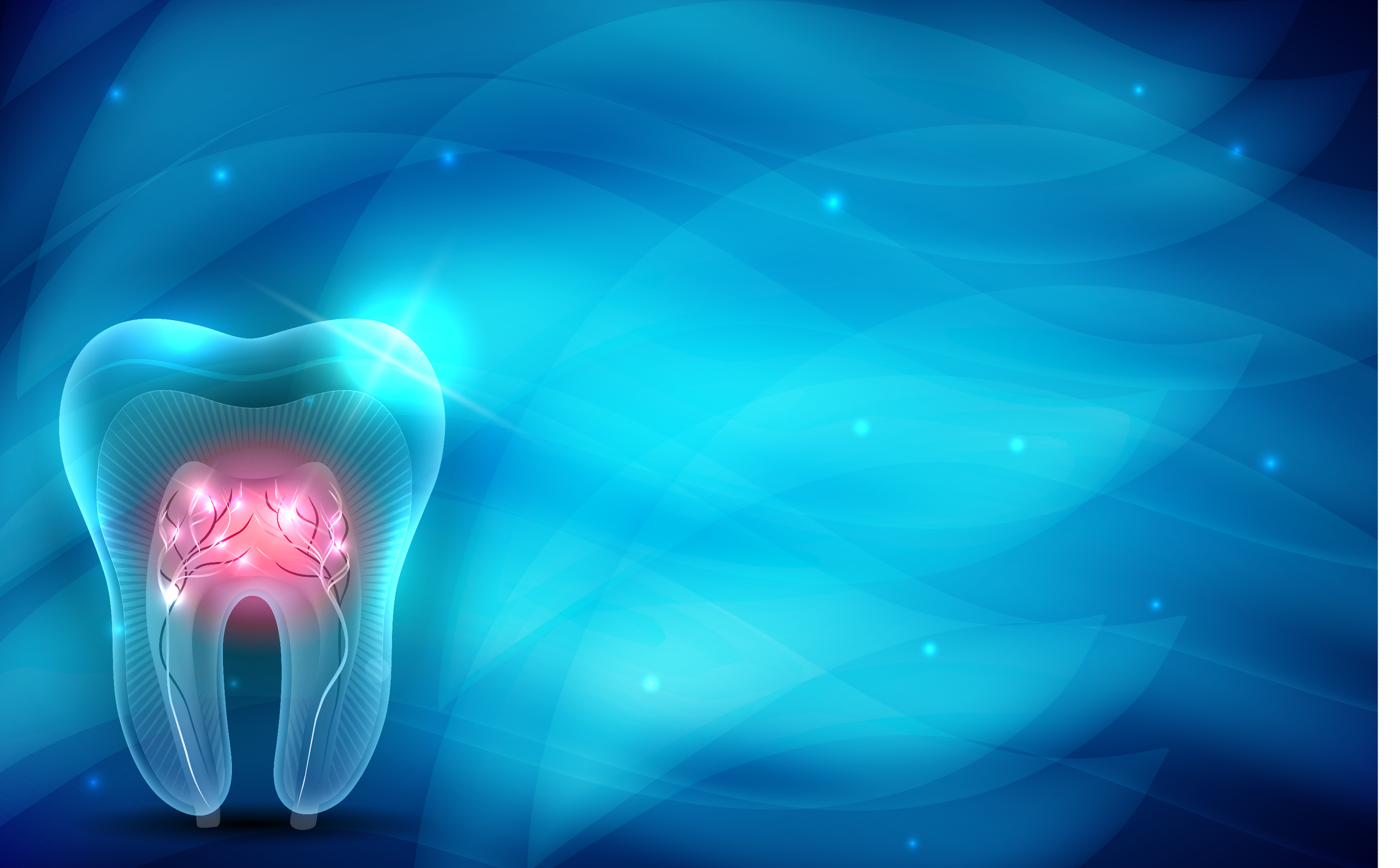
A digital 3D model of a tooth
A digital tooth model
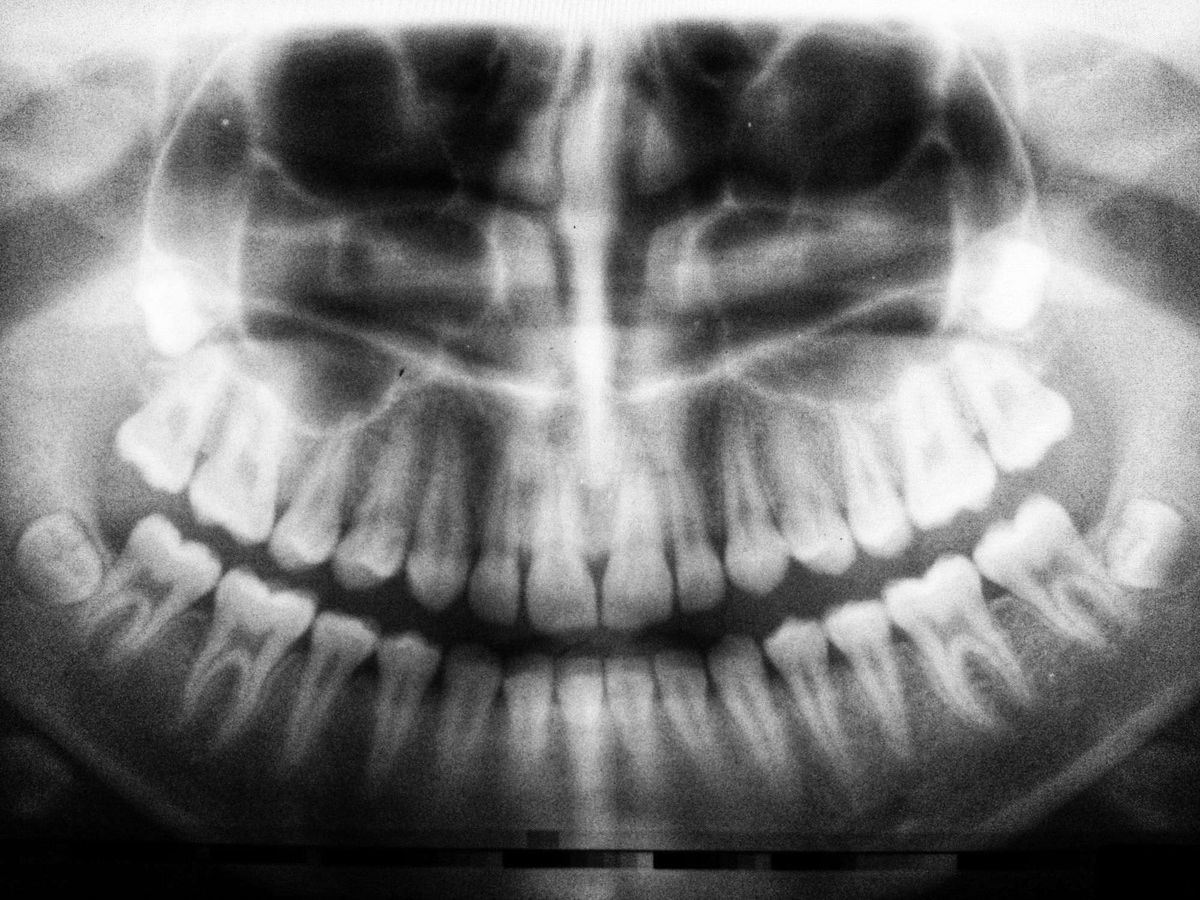
A panoramic dental x-ray showing the position of wisdom teeth
A wider view of the jaw
Our approach

Understand it before you decide.

Shared decisions

Your dentist explains your x-rays and any scans so planning is a conversation with you.

Only when useful

Extra imaging is recommended only when it adds something real to your treatment plan.

Questions welcome

Ask us whether a scan or impression will be used for your treatment and what that involves.

FAQs

Scanning and imaging questions.

Digital scanning uses a small handheld camera to build a 3D model of your teeth and gums on a screen. For many treatments it can replace putty impressions.
Modern scans are very detailed, and gaps can be rescanned on the spot. Your dentist decides whether a scan or a traditional impression suits your treatment.
A standard x-ray is a flat, two-dimensional picture. Cone-beam CT creates a 3D view of teeth, roots, nerves and bone, which helps plan treatments such as implants, wisdom teeth removal or orthodontics.
3D imaging uses x-rays, so it should only be taken when the benefit to your treatment justifies it. Your dentist will explain why it is recommended and answer your questions.
Not usually. A scan records the surface of your teeth and gums, while 3D imaging looks beneath at roots, nerves and bone. Your dentist will say which, if either, you need.
We accept most health funds with on-the-spot HICAPS claims. Afterpay, Zip Pay, Humm and SuperCare are available, subject to eligibility and each provider's terms. Costs are explained before treatment.

Planning treatment?

Ask your dentist whether a scan or 3D image would help, or book a check-up to get started.

Book online (03) 8338 1515

Magical Smiles Point Cook

Address220 Point Cook Road, Point Cook VIC 3030
HoursMon – Sat · 9:00 AM – 5:00 PM
Get directions

General information only. Whether a scan or 3D image is needed depends on your treatment, and your dentist will confirm this first.


Next step

Start with a check-up.

Whether you're thinking about aligners, an implant or something else, a visit to Magical Smiles Point Cook is the place to start.

Magical Smiles Point Cook · 220 Point Cook Road VIC 3030 · info@magicalsmilespointcook.com.au
This page is general information, not personal advice. What your treatment needs varies from person to person.

Our locations