This clinic
01Point Cook
Address220 Point Cook Road, Point Cook VIC 3030
Phone(03) 8338 1515
HoursMon–Sat 9:00 am–5:00 pm

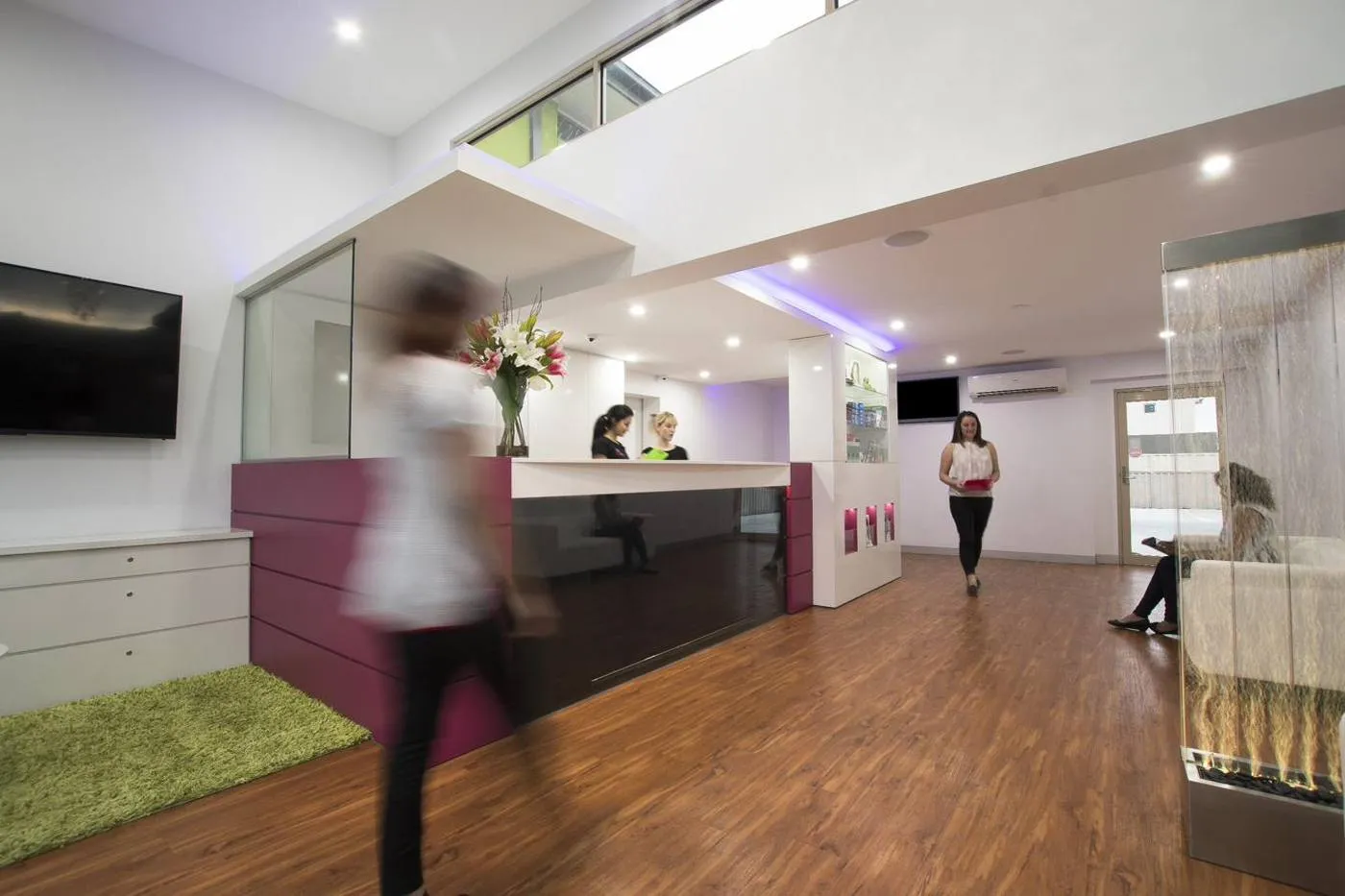
A professional scale and clean removes the plaque and tartar that brushing leaves behind, and it's usually recommended every six months. At Magical Smiles Point Cook we also provide deep cleaning for gum disease, and we'll explain other methods you may have read about, such as laser-assisted gum therapy or air polishing, before recommending what your gums need. Book online or call (03) 8338 1515.
Even careful brushing misses some spots. A sticky layer of bacteria called biofilm collects along the gumline and between teeth, and over time it hardens into tartar that a toothbrush can't remove.
Cleans are part of our everyday general dentistry care in Point Cook, together with check-ups, fillings and gum treatment.
A professional clean isn't about looks. It's the appointment where we remove what brushing can't, look for early signs of problems and protect the base that fillings, implants and orthodontic work all rely on.
Each hygiene visit at Magical Smiles Point Cook includes a check of your gums and soft tissues, a gum-pocket screen and time to talk about what we find. Many people only need a routine scale and clean every six months; others need a deep clean or further gum care. We explain the options, the reasons and the cost before we start.
Gum problems are more common than many people realise. The Australian Institute of Health and Welfare (AIHW) reports that around 3 in 10 adults aged 15 and over (29%) had gingivitis in the 2017–18 national adult oral health study. Moderate or severe periodontitis, the advanced stage of gum disease, rose with age, from 12% of 15–34 year olds to 69% of people aged 75 and over.
Gum disease often doesn't hurt in its early stages, and it's much easier to manage when it's found early. Regular check-ups give us the chance to spot changes before they become bigger problems.
It depends on the health of your gums, your dental history and what's happening below the surface. Here are four approaches you may hear about, with a short guide to who each one suits. Your dentist will explain which of them your gums need and whether each is an option for you.
Your standard hygiene visit. Ultrasonic and hand instruments remove plaque, tartar and surface stains, then your teeth are polished. It suits most adults with healthy gums.
Read more →A non-surgical treatment for early to moderate gum disease. We clean below the gumline along the tooth roots so inflamed gums can settle, usually with local anaesthetic.
Read more →Laser-assisted periodontal therapy uses a dental laser inside the gum pocket. It's a minimally invasive approach for diagnosed gum disease that targets bacteria where hand instruments struggle to reach.
Read more →Air polishing combines warm water, air and a fine powder to remove biofilm, which many people with sensitive teeth find more comfortable.
Read more →This is the foundation of preventive dental care. At each visit we remove the build-up your toothbrush can't reach and take a close look at your teeth and gums.
We begin by checking your gums and soft tissues. An ultrasonic scaler then breaks up hardened tartar, and fine hand instruments tidy along the gumline. A polishing paste lifts everyday stains, we floss between each tooth, and fluoride is applied where it helps.
We'll let you know how long to allow when you book. You'll leave with cleaner teeth and a clear picture of how your gums are doing.
Why keep the visits regular? In the AIHW's figures from the 2017–18 national adult oral health study, adults who usually visited the dentist for a problem were nearly twice as likely to have at least one tooth with untreated decay as those who usually went for a check-up (44% compared with 24%).
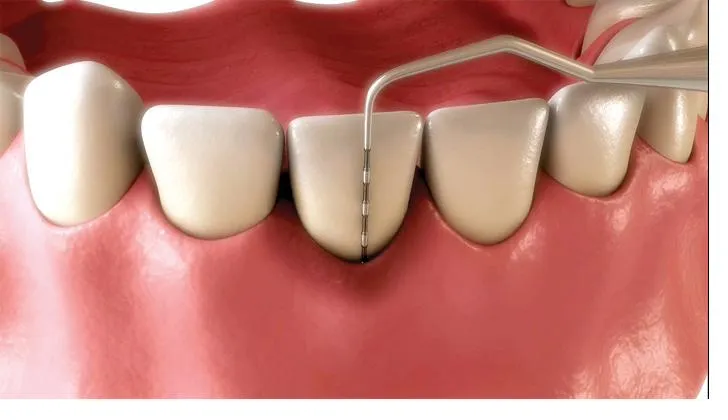
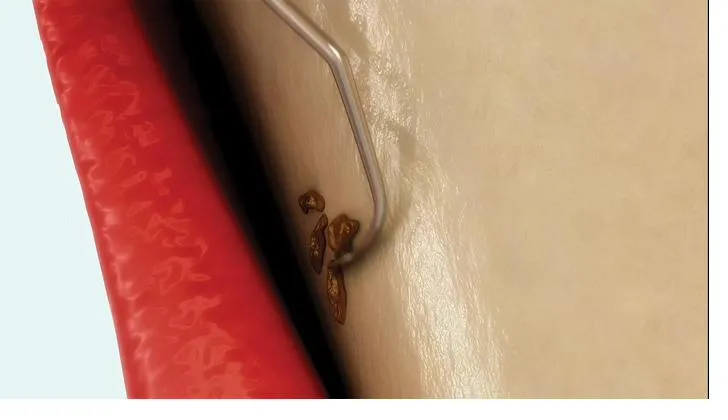
When gum pockets deepen and stay inflamed, a routine clean can't reach the cause. A deep clean works below the gumline, along the roots, where the bacteria are.
Scaling and root planing is a standard non-surgical treatment for gingivitis and early to moderate periodontitis. After numbing the area, we clean plaque, tartar and bacteria from the root surfaces and smooth them, giving the gums a better chance to settle and heal.
It's often done over two appointments, treating one side of the mouth at a time. Your teeth may feel sensitive for a few days. At a review visit a few weeks later, we re-measure the pockets to see how your gums have responded.
We always assess and chart your gums before recommending a deep clean. Results depend on how advanced the gum disease is and on your home care.
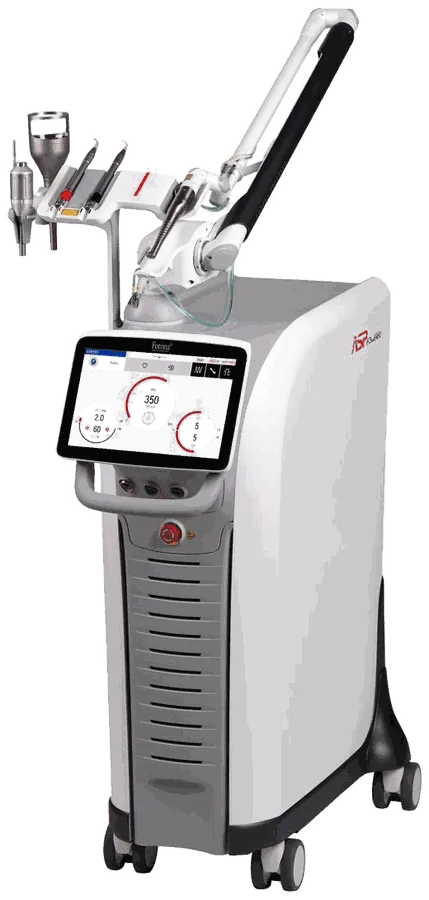
Laser-assisted periodontal therapy uses focused laser light inside the gum pocket, reaching areas that are difficult to clean with hand instruments alone.
Some dental lasers combine two wavelengths: one helps remove infected tissue and tartar from the pocket and root, while the other works deeper to reduce bacteria and support healing.
LAPT isn't a routine clean. It's a treatment for diagnosed gum disease and forms part of a wider plan that includes professional cleaning, home-care advice and regular maintenance visits. A full assessment always comes first. You can read more on our laser periodontal therapy page.
Results of laser-assisted periodontal therapy vary with each person and the severity of their gum disease. If it's relevant to you, we'll explain whether it's an option, whether it suits you and the risks for your case.
Air polishing uses warm water, air and a fine powder to wash away biofilm and surface stains with less scraping, which is why people with sensitive teeth often ask about it.
It's often part of a step-by-step approach that first shows where plaque is sitting and then removes it methodically.
Slim, low-pressure nozzles can reach into gum pockets and around implants, which is why the technique is often used for implant care, braces and wires, and teeth or gums that react to traditional scaling.
The water is usually warmed, so the clean can feel less cold on sensitive teeth. Ask us whether air polishing suits you; your dentist will also tell you whether some scaling is needed.
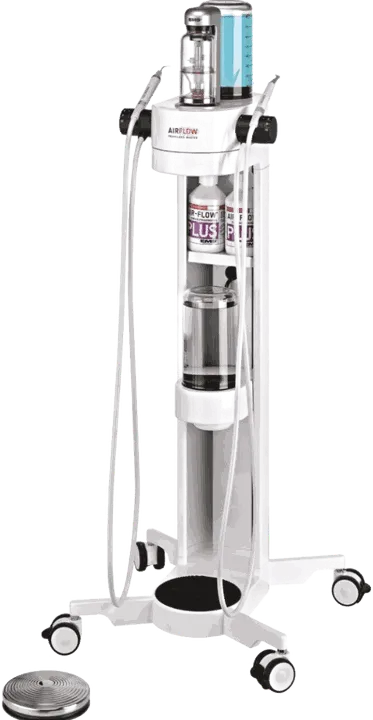
Most people only need one. Here's how they compare on the points patients ask about most, and your dentist will help you choose based on your gums, history and preferences.
| Compare | MaintenanceScale & Clean | DeepRoot Planing | LaserLAPT | AirPolishing |
|---|---|---|---|---|
| Suits | Healthy gums and regular upkeep | Gingivitis and early periodontitis | Diagnosed gum disease | Sensitive teeth, implants and braces |
| Appointment | Standard visit | Longer, often over two visits | Varies, usually several visits | Similar to a standard clean |
| Numbing | Rarely needed | Local anaesthetic | Often not needed | Rarely needed |
| How it works | Ultrasonic and hand instruments, then polish | Cleaning and smoothing roots below the gum | Dental laser light | Warm water, air and fine powder |
| Around implants | Yes, with care | Yes, with adapted technique | Yes | Well suited |
| Next clean | Usually six-monthly | Often every 3–4 months | Ongoing maintenance plan | As your dentist advises |
First visit or regular patient, every clean at Magical Smiles Point Cook follows the same unhurried steps, so you always know what's next.
Any sensitivity, bleeding gums, new dental work or medication changes since your last visit.
A soft-tissue check, an oral cancer screen and gum charting, with every pocket measured and changes noted.
A routine scale and clean or a deep clean, chosen for your mouth and explained as we work.
You get a summary of what we found and did, what comes next, and the chance to book your next visit before you leave.
Regular cleans look after your teeth, and the Frequent Smiles program rewards you for coming back. Members who keep their six-monthly hygiene visits receive whitening top-ups. Program terms apply, so check the Frequent Smiles page or ask our team.
Made for your teeth once you've completed your first clean and joined Frequent Smiles through the app.
Keep your regular check-up and clean, and two complimentary whitening gel syringes are included, subject to program terms.
Straight answers to the questions we're asked most about check-ups and cleans.
Health fund rebates are claimed on the spot with HICAPS, and Afterpay, Zip Pay and SuperCare are available, subject to eligibility and terms. Book online or call to find a time that suits you.