✦ Now welcoming new patients  ·  Toothache? Call early for the first available time  ·  HICAPS, Afterpay, SuperCare & most health fundsPoint Cook · (03) 8338 1515
Orthodontic consultations and early checks at 220 Point Cook Road

Braces in Point Cook: metal, ceramic and Fastbraces compared.

Fixed braces come in three common types: stainless-steel metal braces, tooth-coloured ceramic braces and Fastbraces. At Magical Smiles, braces start from $4,500 per arch, and our Point Cook team can tell you which types are currently available. Today's brackets are smaller and neater than many people remember. This page compares all three honestly and explains what early intervention involves if the patient is your child.

How it usually starts

Teeth rarely go crooked overnight.

Most crowding and bite problems develop slowly. A tooth turns a little, a gap closes, another tooth overlaps its neighbour, until one day the smile in your photos isn't quite the one you picture.

  • A tooth has been slowly twisting for years, and you keep forgetting to ask about it.
  • You bite your cheek or tongue more often than feels normal.
  • You've assumed braces are only for teenagers and that you've missed your chance.
  • Your child still has baby teeth, and you're unsure whether a dentist's comment means act now or wait.

Adults can straighten their teeth at any age, provided their gums and supporting bone are healthy. For children, there's sometimes a gentler step to try before braces come up at all.

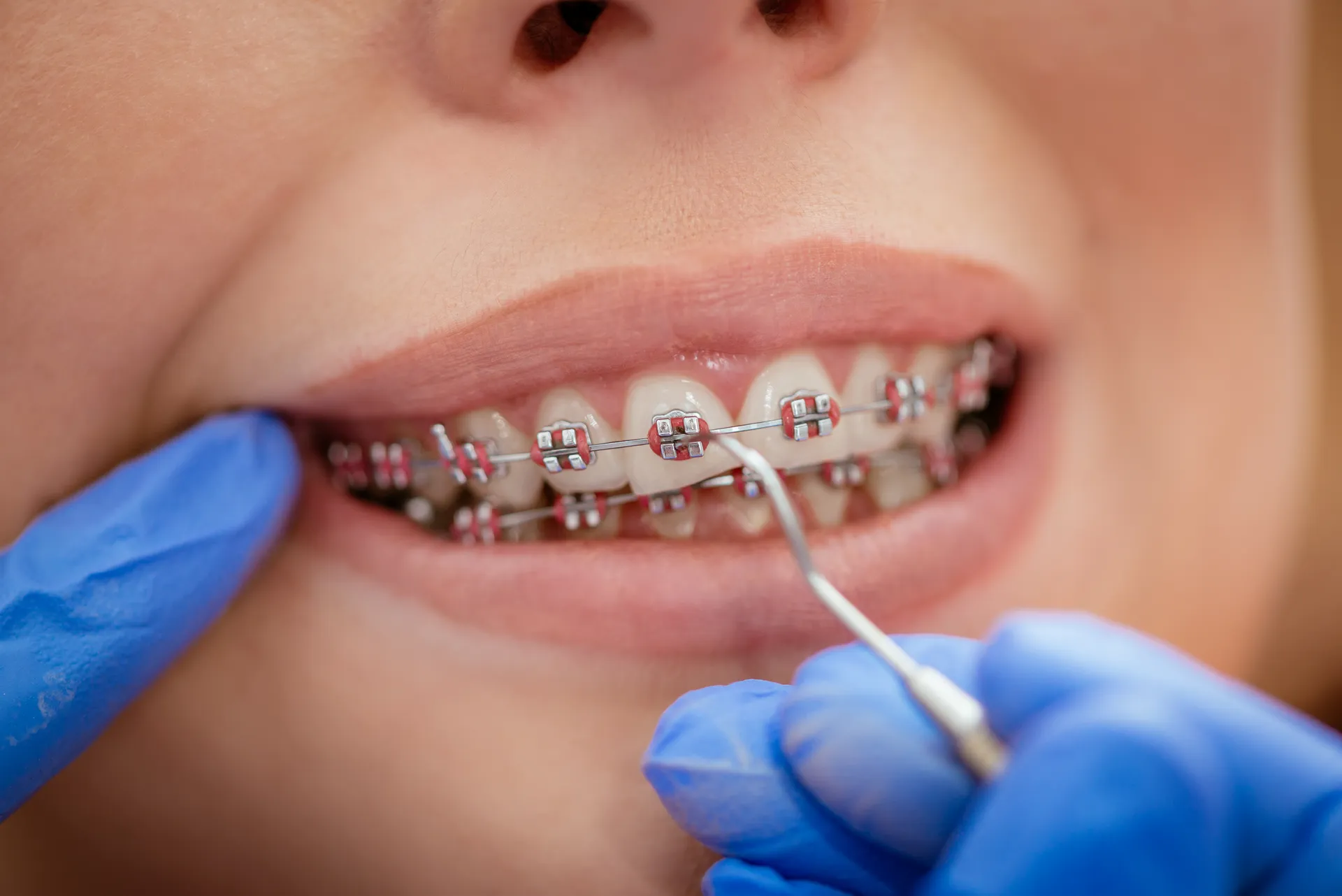
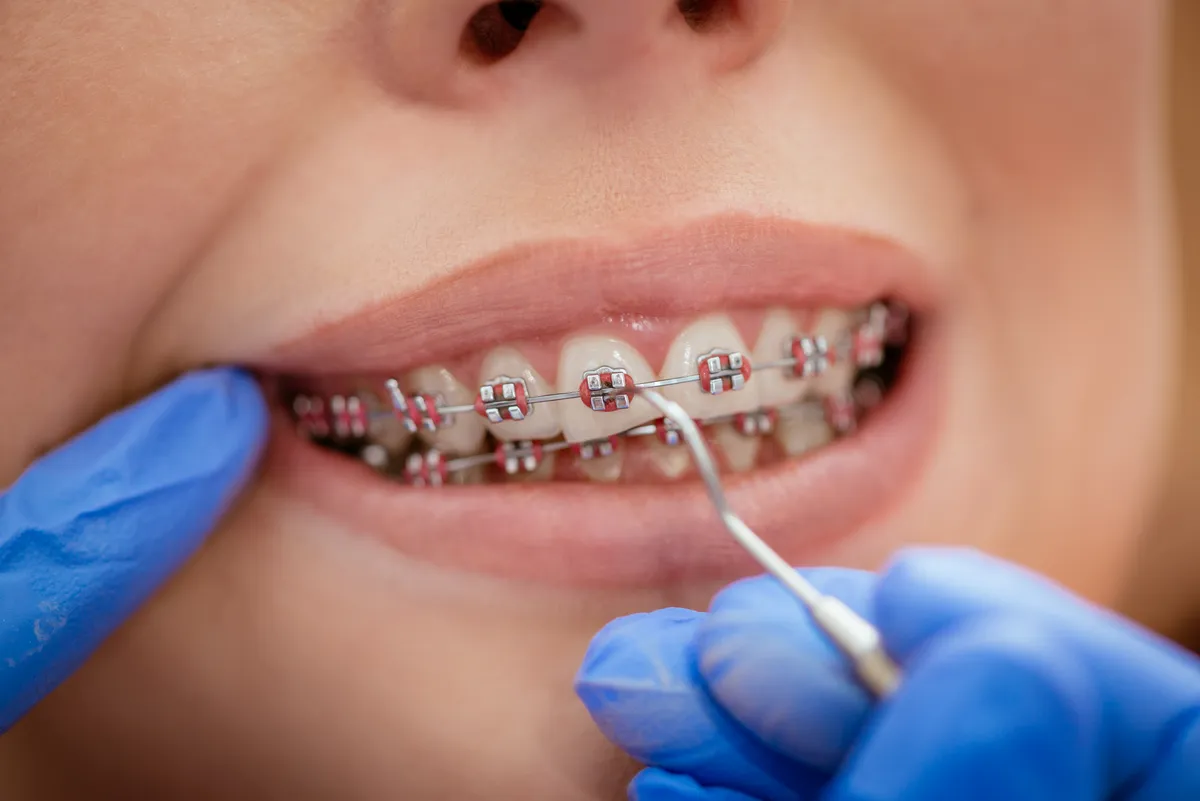
Metal braces on a patient's teeth beside an orthodontic instrument, close up
Brackets today are neater than you might remember
How braces work

Small brackets, one wire, steady pressure.

Fixed braces have two main parts. Brackets are small attachments bonded to the front of each tooth, and an archwire runs through them. Once it's in place, the wire acts a little like a spring, applying gentle, constant pressure that guides your teeth along a planned route.

That's why follow-up visits are called adjustments: the wire is swapped, tightened or reshaped so your teeth keep moving. There's no single big shift, just small, repeated pressure over months. healthdirect's guide to orthodontists, last reviewed in November 2024, notes that straightening teeth can take 18 months or more, because they need to move gradually into alignment. The materials vary between systems, and Fastbraces also change the shape of the bracket itself. The comparison below covers what that means in practice.

Animation: how brackets and an archwire work together
Three types of braces

Metal, ceramic or Fastbraces: what's the difference?

All three use brackets and an archwire, so the basic mechanics are the same. What differs is the material, how noticeable the brace is and, with Fastbraces, the bracket design and how the force is applied. Treat this as a list of questions to bring to your consultation.

Braces are one of several orthodontic options we can talk through at our Point Cook clinic, alongside removable clear aligners such as Invisalign and early intervention for children.

01 / The classic choice Stainless-steel brackets joined by an archwire on a row of teeth

Metal braces

Small stainless-steel brackets bonded to the teeth and linked by a wire that's adjusted at each visit. Metal braces have been used for decades, can manage a wide range of cases and are usually the lowest-cost of the three.

The brackets are much smaller than the ones in old school photos, and plenty of adults wear them. More about metal braces →

Long-proven Wide range of cases Usually the lowest fee
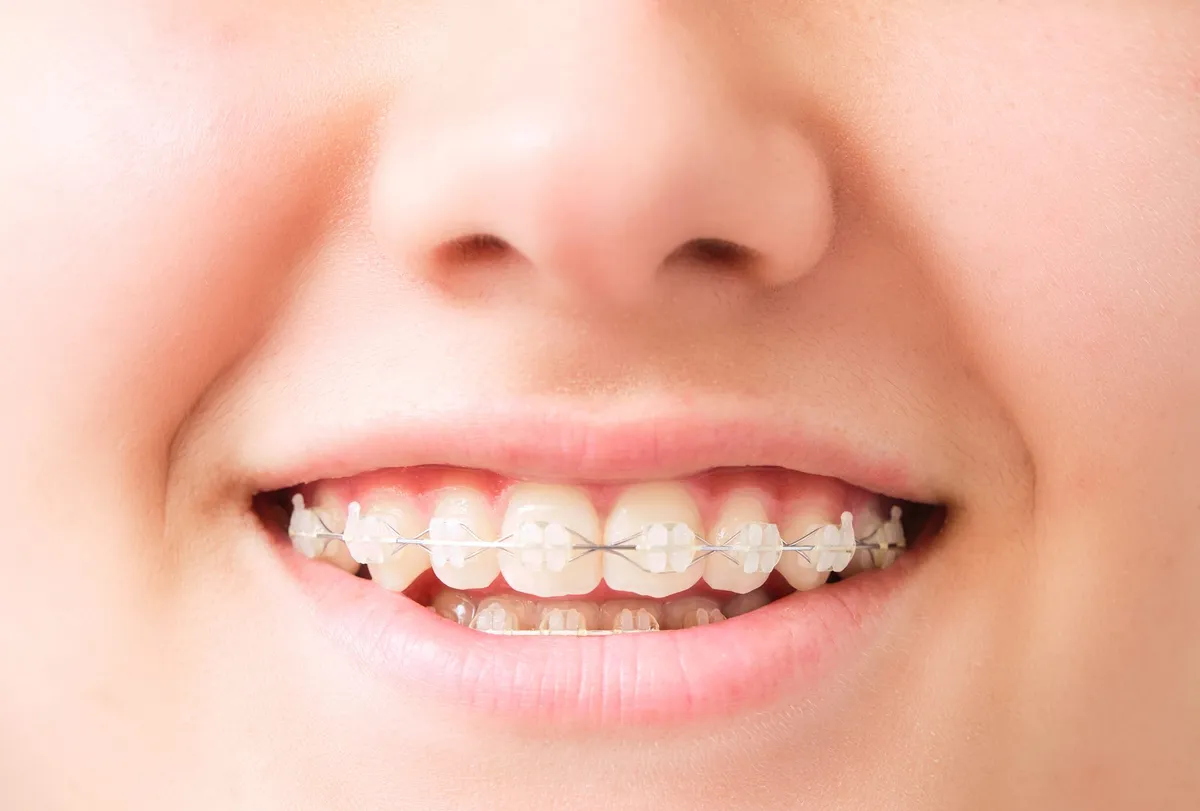
02 / The subtler fixed choice Tooth-coloured ceramic brackets on a row of teeth, close up

Tooth-coloured ceramic braces

Ceramic brackets are made from a clear or tooth-coloured material, so they blend in with your teeth rather than standing out. They move teeth in exactly the same way as metal; the difference is how they look.

They're a little larger than metal brackets, need slightly more care when cleaning and cost more than steel, which is worth weighing against how much visibility matters to you. More about ceramic braces →

Tooth-coloured Less noticeable Costs more than metal
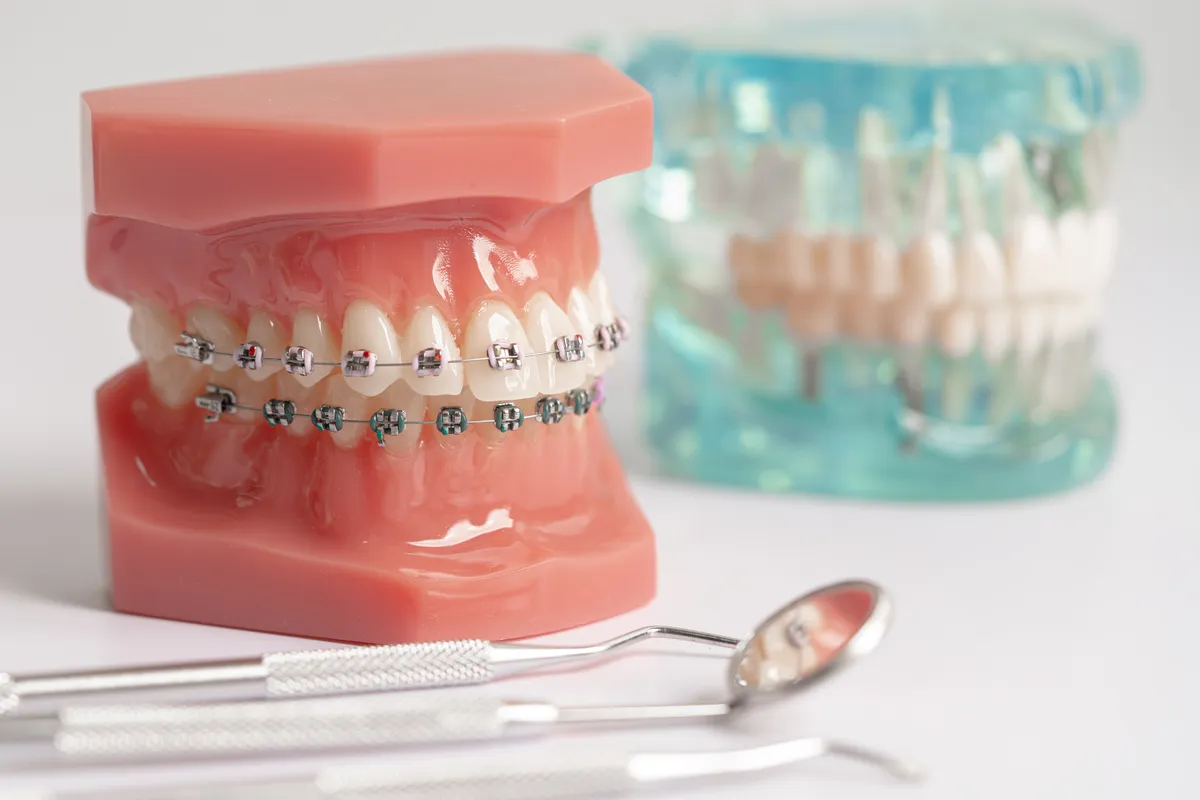
03 / A different bracket design Orthodontic instruments next to a model of teeth used for planning

Fastbraces

Fastbraces use a differently shaped bracket and a specially designed wire, intended to move each tooth's crown and root together from early in treatment, rather than moving the crown first.

In suitable cases that may shorten overall treatment time. It isn't promised and doesn't suit every bite; a timeframe only means something once we've examined you. More about Fastbraces →

Different bracket shape Timing depends on your case Confirmed at assessment

No single system is right for everyone, whatever you read online. Your teeth, bite, budget and how much visibility bothers you will decide. Prefer something removable? Compare clear aligners →

Step by step

From first check-up to the day your braces come off.

The steps are much the same whichever system you choose. The number of visits and months depends on your case.

01

Examination & records

We check crowding, spacing and your bite and discuss which type of braces suits the job. Planning uses records such as photos and a digital scan or impressions; ask at your consultation how yours will be taken. If your gums need care first, we'll look after that before anything else.

02

Fitting day

Each bracket is bonded to a tooth and the first wire is placed. It takes longer than a check-up, and your teeth will probably feel tender for a few days.

03

Adjustments

At regular visits we replace or tighten the wire so your teeth keep moving along the plan.

04

Progress checks

Every visit doubles as a review. If a tooth falls behind, we deal with it early rather than leaving it to the end.

05

Brackets off, retainer on

Once your teeth are in position, we remove the brackets, polish the teeth and fit a retainer. Retainers aren't an extra; they're what stops teeth drifting back.

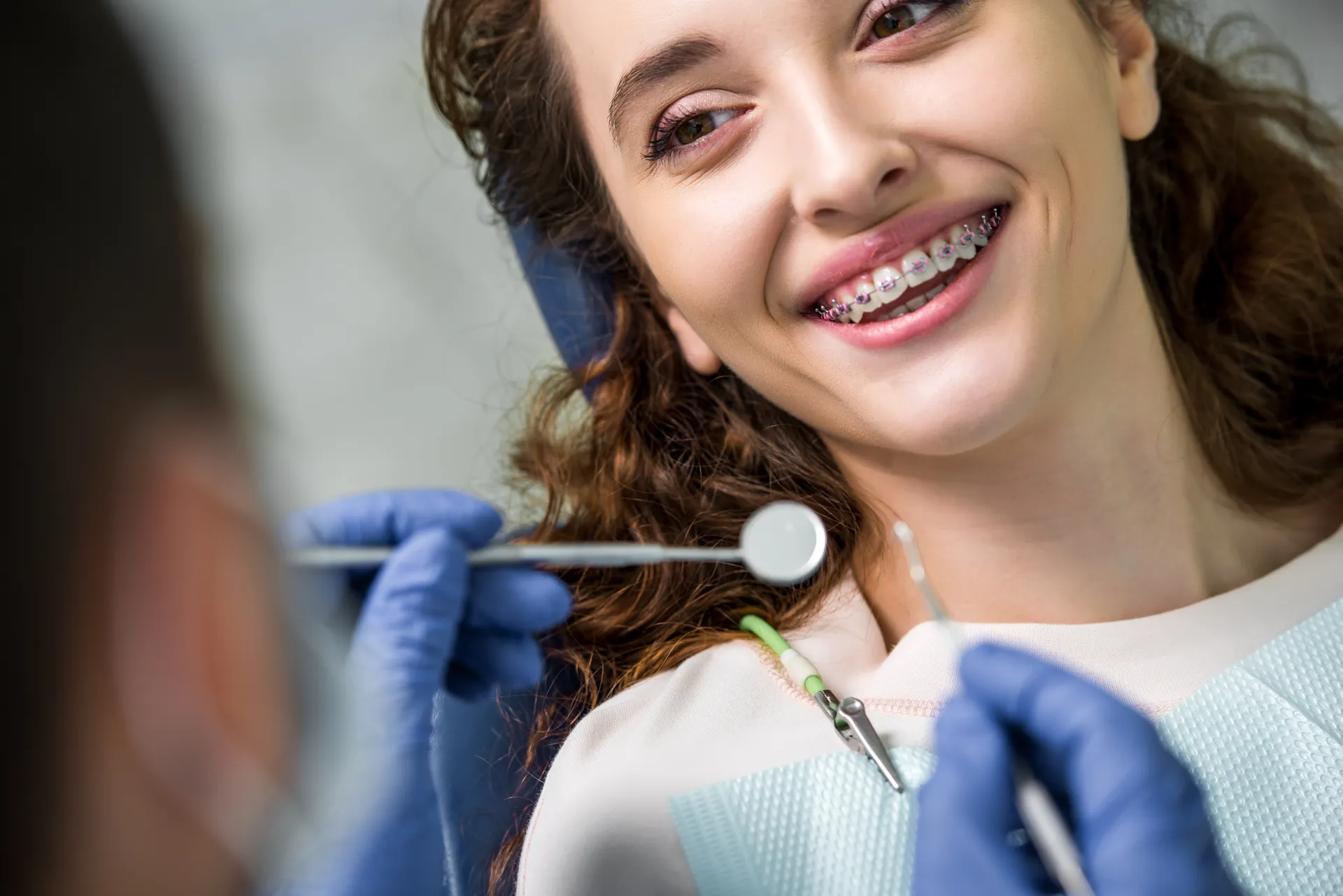
Smiling woman with braces during a dental check-up
Asking for your child?

For young children, braces may not be the first step.

Many parents come in expecting to talk about braces. While a child is still growing, there can be a less invasive option worth trying first.

A myofunctional appliance is a removable device worn mostly overnight, plus a short time during the day. Rather than moving adult teeth, it focuses on habits and jaw development, such as mouth breathing, tongue thrust, thumb sucking or a narrow upper jaw, while a child is still growing.

It won't replace braces for every child, and it isn't suitable at every age. When it does suit, starting early may reduce how much treatment is needed later on, although no outcome can be promised.

Worth mentioning to us if you notice:

  • Ongoing mouth breathing, especially while asleep.
  • Crowding that's already visible in the baby teeth.
  • A thumb or dummy habit that has lasted longer than usual.
  • A narrow upper jaw, or teeth that meet awkwardly.

We won't recommend early treatment your child doesn't need, and often the honest advice is to keep an eye on things. Only an examination can show whether acting now is worthwhile, and every child is different.

Young girl holding a clear removable dental appliance A relaxed first visit, at your child's pace
Are braces right for you?

When fixed braces are the right tool.

Fixed braces come into their own when teeth need to move a fair way or the bite needs firm control. They're less appealing if you want something removable or barely visible. If you're weighing them against aligners, our sister clinic's braces versus Invisalign guide lays out the trade-offs.

Braces are often the better fit when…

  • Crowding or bite correction is more than mild.
  • You'd rather not rely on a removable appliance.
  • Your budget points towards metal as the starting option.
  • Your gums and supporting bone are healthy.

Another route may suit better when…

  • The problem is mild and keeping treatment discreet matters most.
  • Your child is still growing and early intervention could be a better first step.
  • You haven't yet compared ceramic brackets or clear aligners.

Like the idea of removable trays? Compare aligner systems → · Asking for your child? Read about Myobrace →

Fees

How much braces cost in Point Cook.

Braces at Magical Smiles start from $4,500 per arch. Your fee depends on the type of braces, how much movement is needed, the number of visits and the retainer at the end. We don't quote orthodontics over the phone; you'll receive a written quote after your examination, before any treatment starts.

Braces for a teenager? The Child Dental Benefits Schedule won't pay for them: Services Australia's guidance, last updated on 1 January 2026, lists orthodontic dental work among the services it doesn't cover. An eligible child can still claim up to $1,158 over two calendar years (or $1,132 if their two-year period began in 2025) for basic care such as check-ups, cleaning and fillings, which helps get teeth and gums ready before brackets go on.

Your quote in writing first. Brackets second.

Curious about repayments? Try the calculator →

The calculator is a guide only, not a quote or credit approval.

We accept

About the calculator: it applies typical full-treatment pricing and the Humm/National Dental Plan fee formula for the term you select to estimate repayments. It's not a quote, and your written cost follows your examination. Finance depends on each provider's eligibility criteria and approval.

How we work

Three types of braces, one clear recommendation.

Straight advice on every option

We explain how metal, ceramic and Fastbraces compare with clear aligners and tell you which are currently available at our Point Cook clinic, so the recommendation suits your teeth rather than one default.

Early treatment only when it's needed

We suggest early intervention for a child only when the examination supports it, and we're just as happy to recommend waiting.

A retainer plan at the finish

Every course of braces ends with a plan for your retainer, because the last stage matters as much as the first.

Your questions

Braces in Point Cook: questions answered.

The three common types are stainless-steel metal braces, tooth-coloured ceramic braces and Fastbraces. All three use brackets and a wire; they differ in material, how noticeable they are and cost. Ask our Point Cook team which are currently available; at your consultation we'll explain which suit your teeth, and whether clear aligners might suit you better.
Mainly in the bracket material and how visible it is. Metal brackets are stainless steel: strong, compact and the more affordable of the two. Ceramic brackets are tooth-coloured or clear, so they blend in more, but they're slightly larger, need a bit more care when cleaning and cost more. Both move teeth in the same way.
Fastbraces use a different bracket shape and wire, designed to move each tooth's crown and root together earlier in treatment. In suitable cases this may shorten treatment compared with some conventional approaches, but it isn't promised. We'll only estimate your timeframe after examining your teeth.
At Magical Smiles, braces start from $4,500 per arch. Your fee depends on the type of braces, how complex the case is, the number of visits and your retainer. We confirm it in writing after your examination, before treatment begins.
Many dentists suggest a first check around age seven, when baby and adult teeth are mixed and problems are easier to see. Often the result is simply keeping an eye on things. We'll tell you honestly whether your child needs treatment now, later, or not at all.
It's a removable appliance, worn mostly overnight plus a short time each day, used together with simple mouth and tongue exercises. It aims to correct habits like mouth breathing and tongue thrust and to guide jaw development while a child is still growing, rather than moving adult teeth that have already come through.

Not sure which braces suit you, or your child?

A consultation is usually enough to tell whether metal, ceramic or Fastbraces makes sense for you, or whether an early appliance is worth considering for your child. Have a question first? Call reception.

Book a consultation (03) 8338 1515

Find us in Point Cook

Address220 Point Cook Road, Point Cook VIC 3030
HoursMonday to Saturday, 9:00 am to 5:00 pm · Sunday closed
Get directions

This page is general information. Comfort, fit and timeframes differ between people, so we examine your teeth, or your child's, and explain what's realistic before you decide.

Magical Smiles Point Cook

Find the braces that suit you.

One consultation at our Point Cook clinic shows whether metal, ceramic or Fastbraces would suit your teeth and which are available here, or whether early intervention is worth discussing for your child. You'll have the fee in writing before you commit.

Point Cook · 220 Point Cook Road VIC 3030 · info@magicalsmilespointcook.com.au
This page gives general information and doesn't replace personal advice from your dentist. Results and treatment times vary from person to person.

Our locations