This clinic
01Point Cook
Point Cook · VIC 3030
Address220 Point Cook Road, Point Cook VIC 3030
Phone(03) 8338 1515
HoursMon–Sat 9:00 am–5:00 pm

Teeth whitening at Magical Smiles Point Cook uses TouchWhite, an in-chair appointment where a peroxide gel does the whitening and a dental laser helps activate it. It's carried out at 220 Point Cook Road once a check-up confirms your teeth and gums are ready, and sensitivity is discussed before you book. Nobody can name your final shade in advance, but your dentist will tell you honestly what's likely for your teeth.
Whitening is one part of our cosmetic dentistry care in Point Cook.
Treatment — in-chair teeth whitening
Protocol — TouchWhite®
How it works — peroxide gel, activated with laser assistance; our technology pages explain more
Before you book — a check-up to confirm whitening suits your teeth
Good for — people who want sensitivity taken seriously
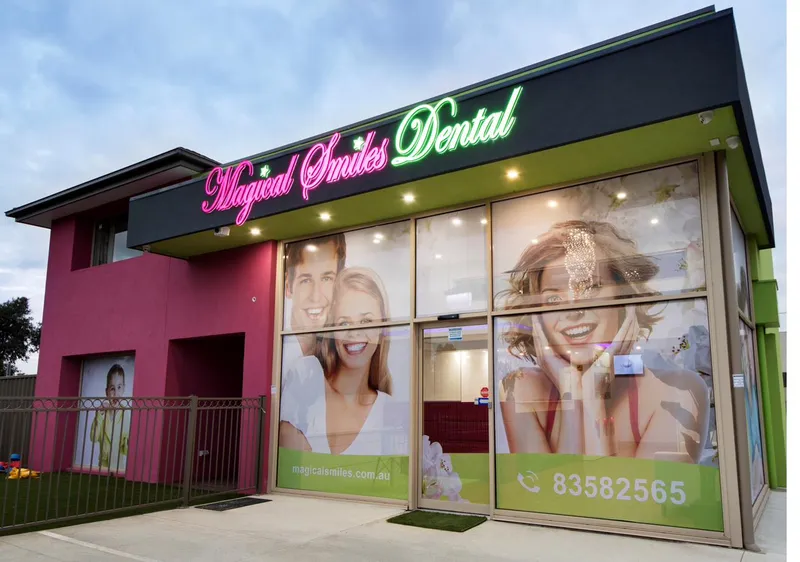
Where — Magical Smiles Point Cook, 220 Point Cook Road
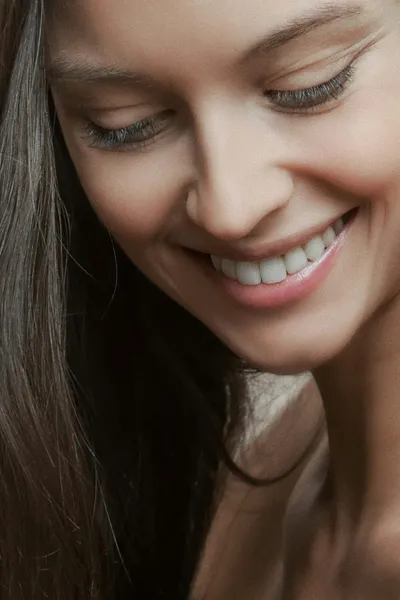
It starts with a check-up
Most whitening decisions aren't really about teeth. They're about the photo you didn't share, the conversation you had with your lips half-closed, the moment you were thinking about your smile instead of what you were saying.
TouchWhite treats whitening as a chemical process with laser assistance. The gel goes on first, then the laser delivers short, controlled pulses to help activate it. Everyone responds a little differently, and your dentist will talk you through what to expect.
Whitening can't change the colour of existing crowns, veneers or fillings, because those materials don't respond to the gel. What it can do is lift the shade of your natural enamel, and your dentist will explain how that's likely to sit next to any existing work.
If one or two of these sound like you, it's worth a conversation. Your assessment confirms whether whitening is actually the answer.
A wedding, a work headshot, a holiday album still sitting on your phone. Everything about the photo worked except the bit you keep looking at.
You're not giving them up, and you shouldn't have to. Over the years they've settled into the enamel, past what brushing can shift.
Strips, trays, whichever brand was on special. A slight change, then nothing more. Dentist-supervised whitening is the next step.
If cold drinks made you flinch for days after a previous attempt, it's worth talking about sensitivity before you try again. We'll ask about your history first.
A wedding, a reunion, a milestone birthday, an interview. You've meant to do it for a while; now there's a deadline.
If veneers, bonding or a makeover are on the cards, your shade is usually settled first so new work can be matched to it.
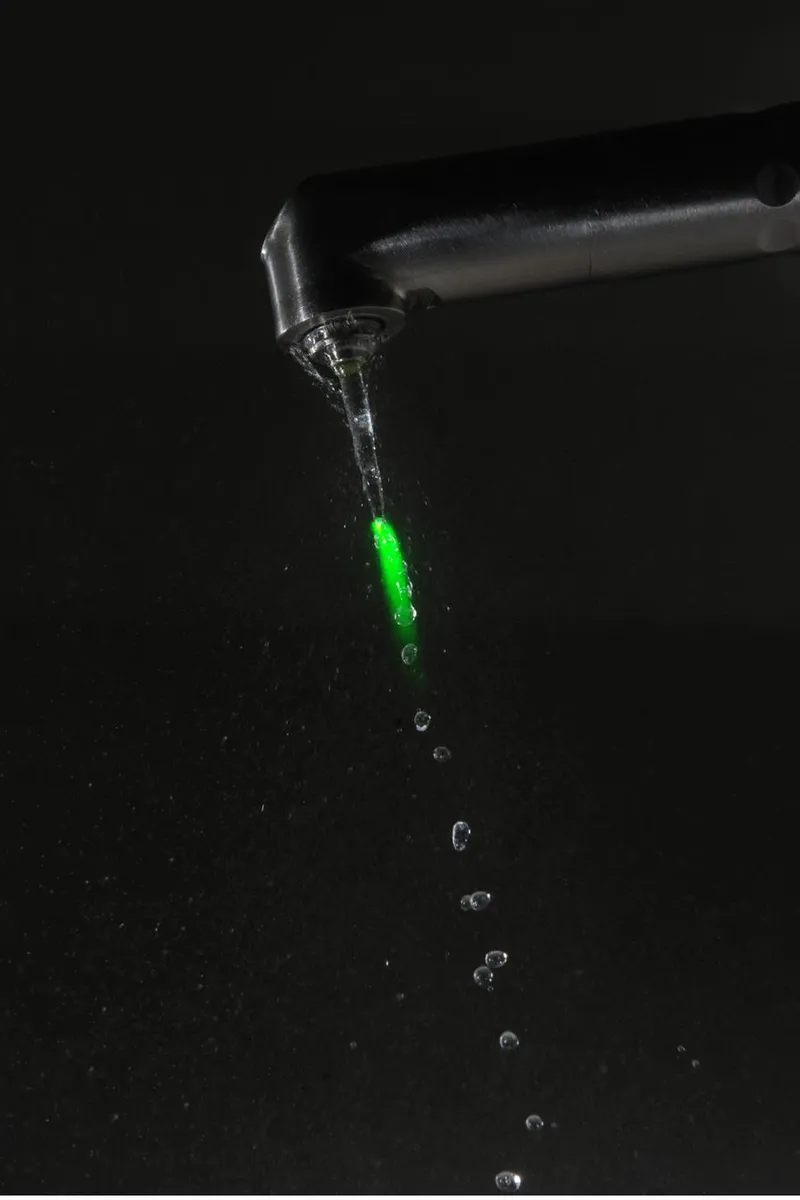
Laser-assisted activation
The whitening itself is chemical: the gel does the work. The laser's job is to help activate that gel in a targeted way, while the gums and lips are protected.
i. Gel first.
Once your gums are protected, a peroxide-based whitening gel is applied to the teeth being treated. It breaks down the stain molecules that build up in enamel from food, drink, smoking and age.
ii. Short, controlled pulses.
The laser is used in short bursts rather than one long exposure, helping to activate the gel while your dentist keeps an eye on comfort.
iii. Sensitivity, handled honestly.
Some people feel short-lived sensitivity after any kind of whitening. Your dentist will talk about how to manage it, and a desensitising step is part of the appointment.
iv. Several passes.
The gel is refreshed between passes, which gives your dentist a chance to check comfort and shade as the session goes.
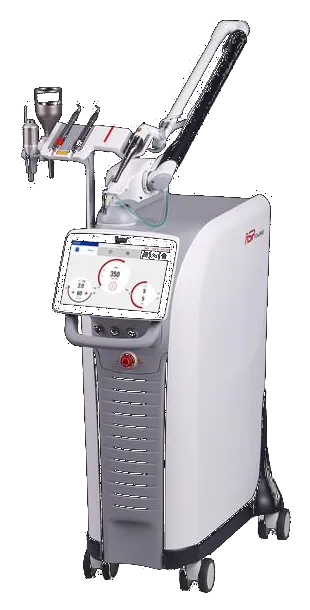
Settings checked before and during treatment
The laser is operated by your dentist, with settings chosen for the whitening protocol before the session begins and monitored as the passes run.
Safety steps are routine: the gums are protected before any gel is applied, everyone in the room wears laser safety glasses, and cheek retractors keep your lips clear of the treatment area.
Our technology pages explain more about the equipment and how it's used across different treatments.
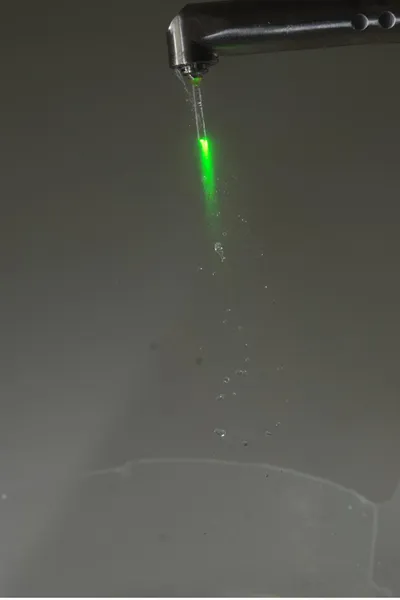
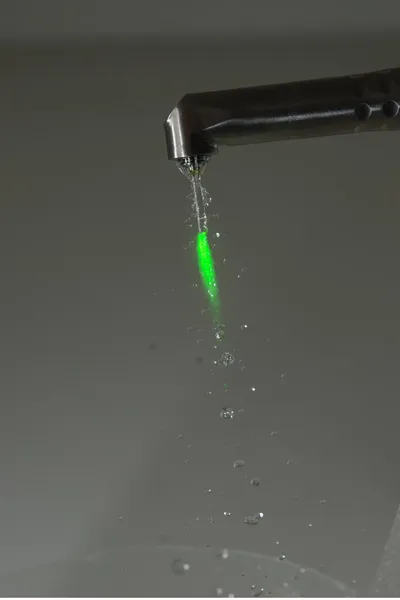
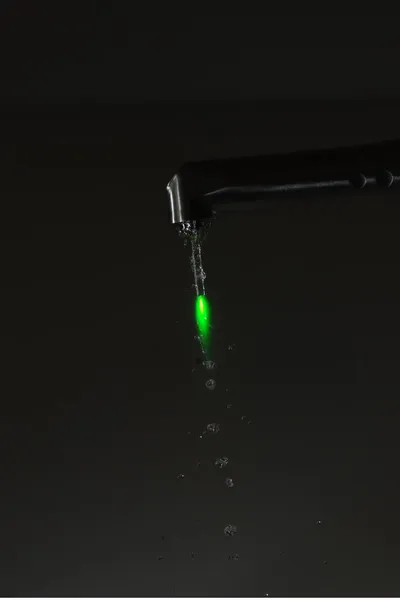
Preparation and shade records take up much of the appointment; the gel-and-laser passes are a shorter part than most people expect.
i · Suitability check.
Your gums, any decay and the likely cause of your staining are examined. Whitening can't fix every kind of stain, and we'll tell you here rather than after you've paid.
ii · Clean first.
A separate visit removes surface stains, plaque and tartar, because the gel needs to reach the enamel and anything sitting on top gets in the way.
iii · Starting shade.
Your starting shade is recorded with a shade guide and photos so the result can be compared fairly.
iv · Protection.
A barrier is placed along your gums, your lips are held clear and eye protection goes on.
v · Gel and laser passes.
The gel is applied and the laser used in several short passes, with fresh gel in between and regular comfort checks.
vi · Desensitising.
A desensitising agent is applied before you leave the chair as a standard part of the appointment.
vii · Final shade.
The gel is removed and your new shade recorded against the same guide in the same light, so you can compare start and finish.
viii · Aftercare.
Your dentist explains what to eat and drink over the next couple of days, when a review makes sense and how to look after your shade at home.
No single method suits everyone. These are the two approaches people most often compare, and your consultation helps you decide between them.
Whitening shouldn't feel like a sales pitch. A good consultation ends with realistic expectations, not promises.
TouchWhite follows a set protocol, and the equipment is set up for it before your session rather than adjusted by feel.
Before you book, you'll hear what's likely to respond, what isn't, and how the result will sit beside any crowns or veneers. No outcome is promised.
We ask about your whitening history first, and every session finishes with a desensitising step.
Your whitening isn't squeezed between other appointments. The gel, laser passes and shade checks each get the time they need.
Your shade is recorded with the same guide and lighting at the start, during the session and at the end.
If veneers, bonding or a makeover are ahead, whitening sets the shade everything else is matched to.
Anything not covered here can be raised at your consultation, with no obligation attached.
TouchWhite whitening is available at 220 Point Cook Road, Monday to Saturday. If another Magical Smiles clinic is easier for you to reach, our locations page lists each one.
Point Cook · VIC 3030
A dental laser can be used in different ways. Each treatment below uses it with different settings for a different purpose.
Removing old veneers and ceramic crowns without cutting through them.
ii.Using a laser to help clean and disinfect the root canals.
iii.An option for some early cavities, once your dentist has confirmed it suits the tooth.
iv.Cleaning the implant surface and surrounding gum as part of managing peri-implant disease.
v.Laser-assisted periodontal therapy as part of managing gum disease.
vi.Laser sessions on the soft palate aimed at supporting quieter breathing at night.
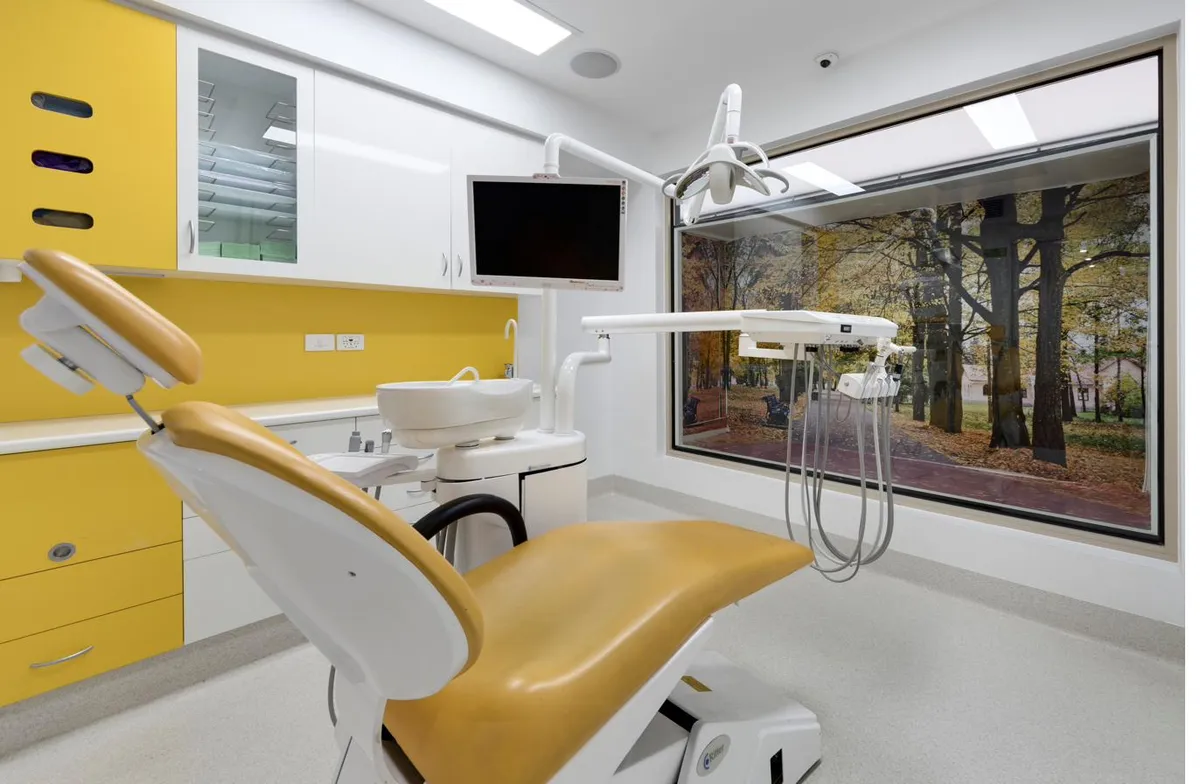
Whitening is carried out and supervised by Dr Rachna Yadav, our Principal Dentist (BDS, AHPRA DEN0001046139), or Dr Amolak Deep (AHPRA DEN0002514296).
Both are general dentists. If your case needs a specialist's input, we'll name the specialty and help you arrange a referral.
If whitening has been on your list for a while, this is the conversation to start. Your dentist will find out what's causing the shade, explain what whitening can and can't change, and leave the next step with you.