
Point Cook
220 Point Cook Road, Point Cook VIC 3030
Phone(03) 8338 1515
Snoring consultsMon–Sat 9:00 am–5:00 pm
Treatment optionsExplained at your consult


Snoring and sleep apnoea care at Magical Smiles Point Cook begins with a dental airway check. We look at where your snoring is likely coming from, help you arrange a sleep study with a sleep physician if your symptoms point to sleep apnoea, and explain which treatment options could suit you. Book online or call (03) 8338 1515.
If none of these fit, you probably don't need this page. If a few do, read on; you're in the right place.
This may not be the right page if you've already been diagnosed with severe obstructive sleep apnoea after a sleep study and are using CPAP.
Your sleep physician is the best person to manage that. We're still glad to help with any dental questions that come up alongside your CPAP treatment.
From the outside the two can sound identical, which is why people often confuse them. Here's the difference in everyday language, and why it matters before choosing any treatment.
Snoring is the rattling sound made when air passes over relaxed soft tissue in the throat as you sleep. On its own it isn't dangerous, but it can disturb your sleep and your partner's. Victoria's Better Health Channel estimates that around 20% of the population snores at night, and around one quarter of men are prone to it.
Obstructive sleep apnoea means the airway partly or fully closes again and again during sleep. Breathing pauses, the brain rouses you just enough to restart it, and you wake unrefreshed. It's a medical condition that needs assessment by a sleep physician. Better Health Channel estimates that about 5% of Australians have sleep apnoea, including around 1 in 4 men over the age of 30.
Usually you can't tell without an assessment. Our Point Cook dentists don't diagnose sleep apnoea, but we can check your airway, tell you whether a sleep study makes sense and help you arrange one. As healthdirect's guide to obstructive sleep apnoea (last reviewed June 2024) explains, your doctor can refer you to a sleep specialist for a diagnosis.
Knowing the source helps us choose what might help. At your first appointment we look for the area most likely to be causing your snoring.
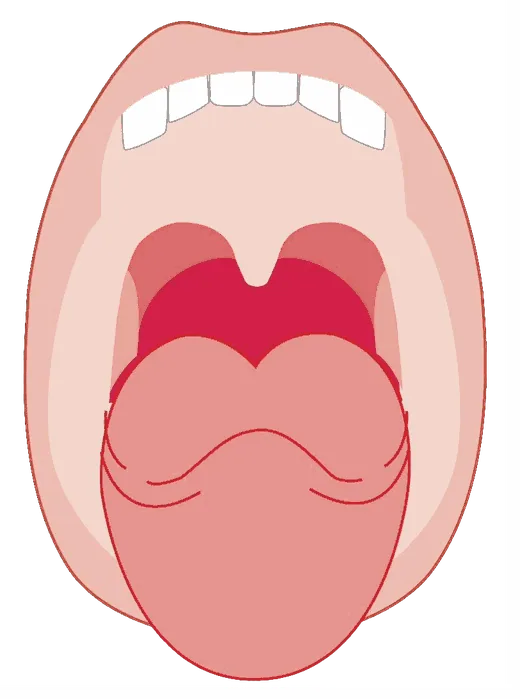
The soft back part of the roof of your mouth, and the small flap hanging from it, are the most common source.
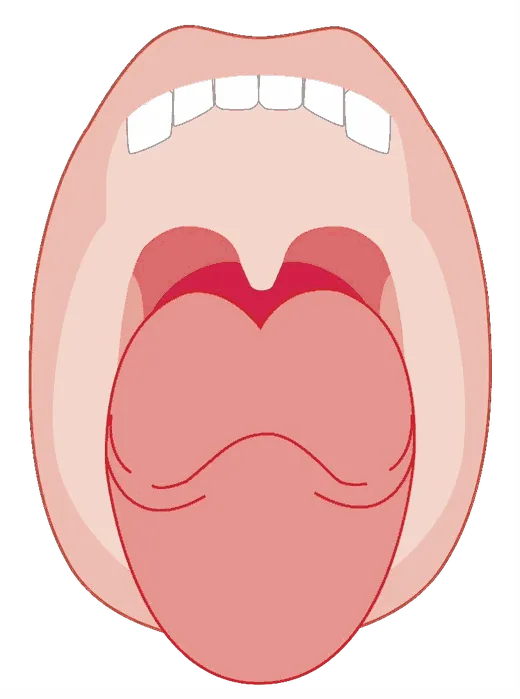
These folds on each side of the throat can vibrate noisily even when only slightly relaxed.
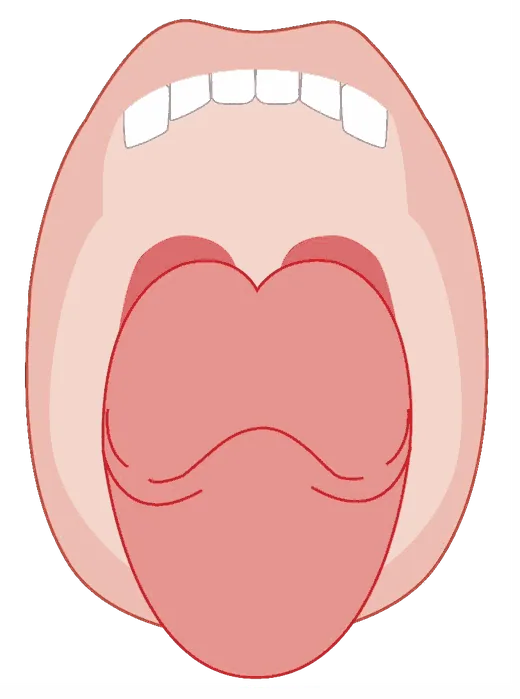
If the tongue falls back while you sleep, especially lying on your back, it narrows the space for air.
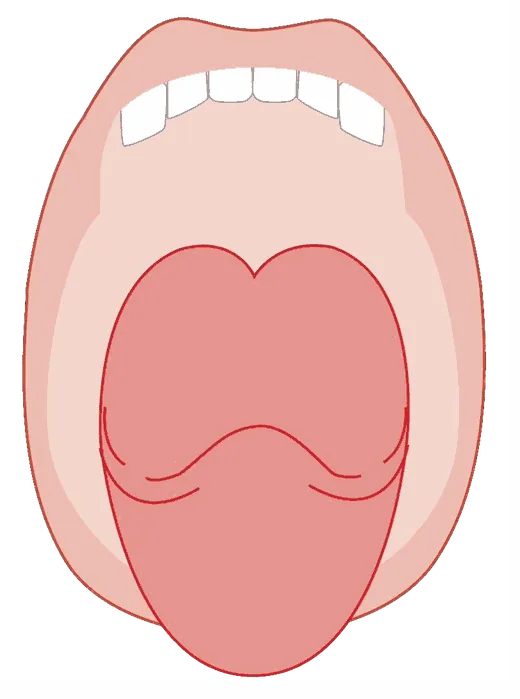
The bulky tissue at the back of the tongue often plays a part in louder, heavier snoring.
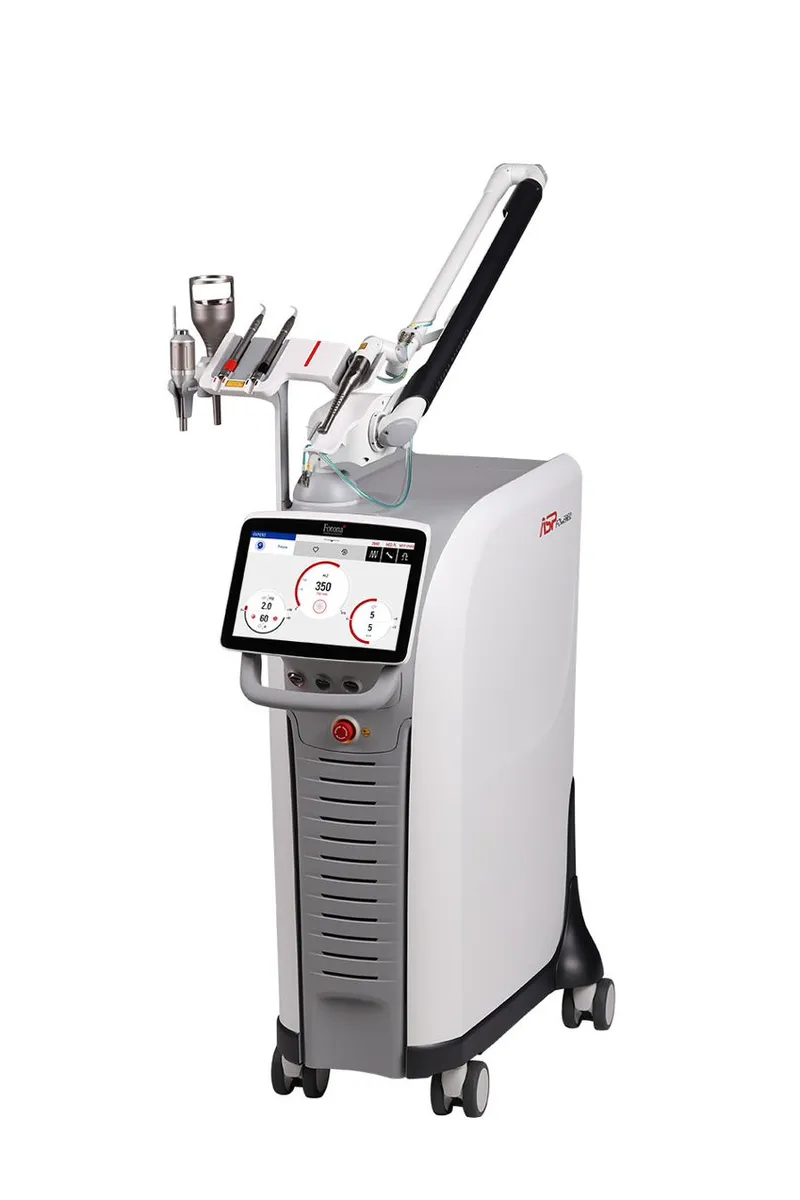
Laser snoring treatment is a non-surgical approach that uses a dental laser on the same areas of the throat described above. It's one of several options people ask about; at your consultation we'll explain whether it's suitable and available for you.
The aim is to firm up the soft tissue at the back of the throat so there's less of it to vibrate.
Short, controlled pulses of laser light gently warm the soft palate and nearby tissue. That warmth is designed to prompt the tissue's own collagen to tighten over the following weeks. There's no cutting, no injections and no anaesthetic, and most people describe a feeling of warmth during treatment.
Laser snoring treatment aims to reduce how loudly and how often simple snoring happens, but results differ from person to person, and we'll be honest about what's realistic for you. Want to know more about lasers in dentistry generally? Our sister clinic's article Is laser dentistry safe? covers the basics.
In a typical laser snoring session the laser passes over up to three areas. Nothing is injected, cut or taken away; the tissue firms up gradually on its own afterwards.
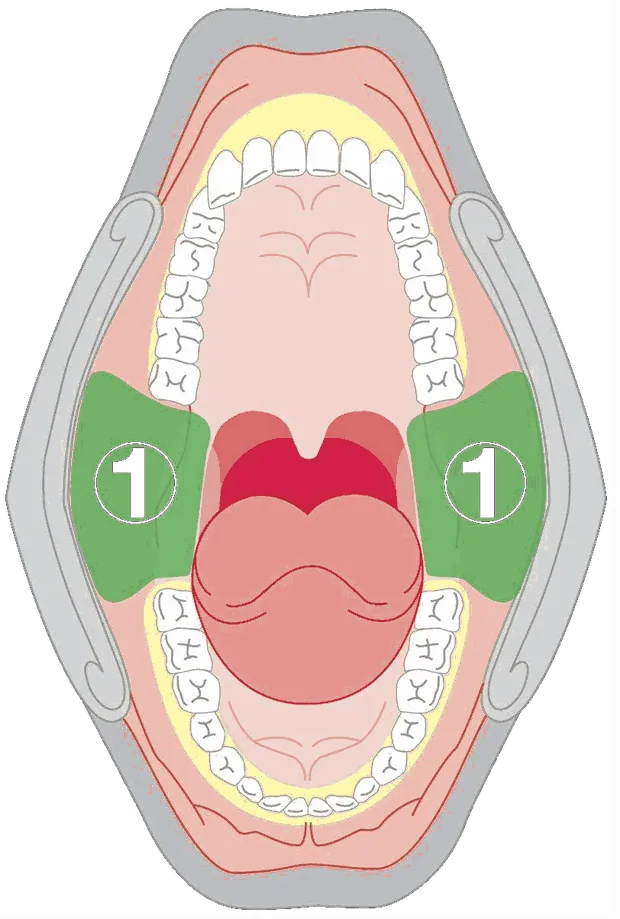
The folds on each side of the throat are usually treated first, with light passes to encourage the tissue to firm.
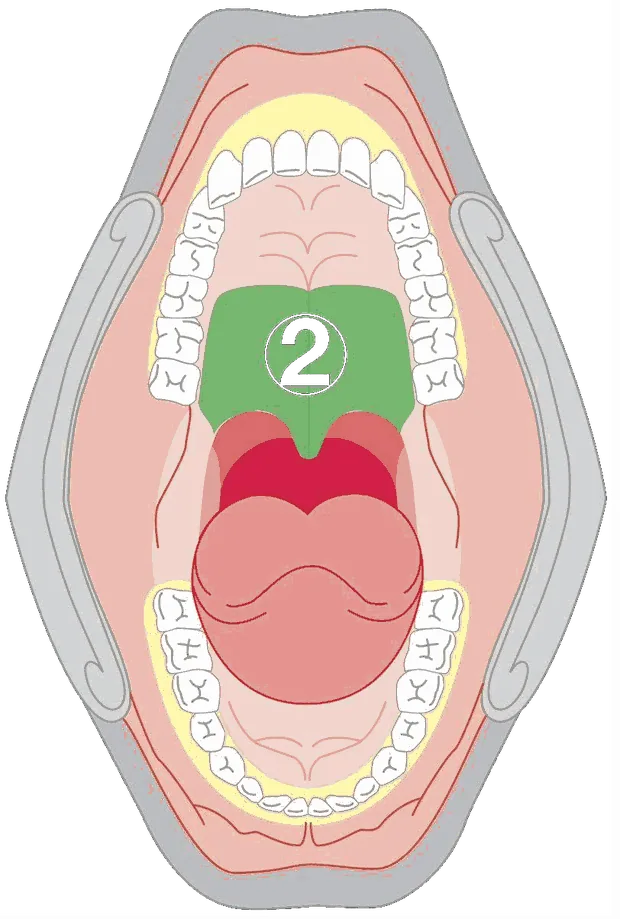
The most frequent source of snoring vibration, treated with slow, even movements across the area.
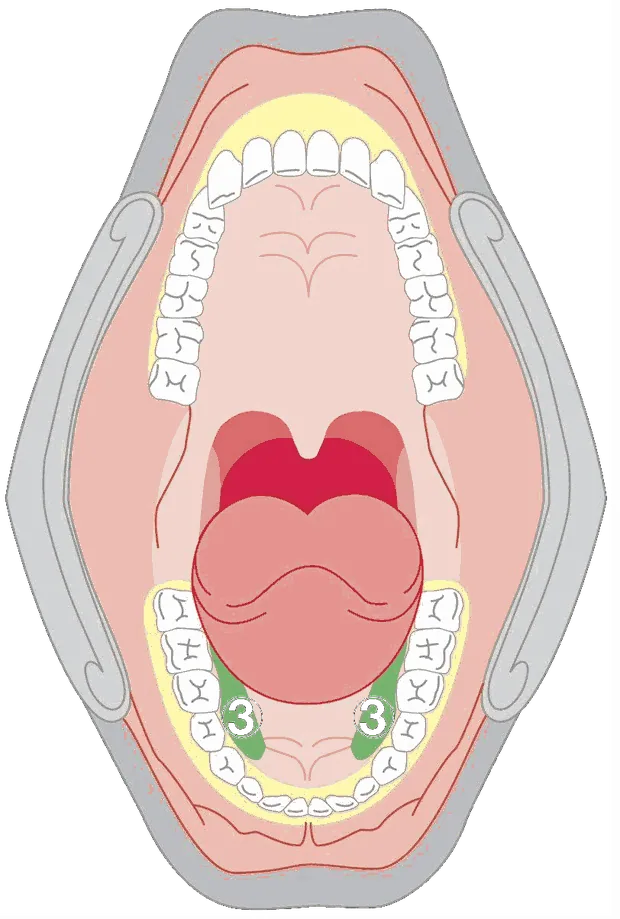
Included when the back of the tongue seems to be adding to your snoring, often in heavier snorers.
Many people put off this appointment because they don't know what it involves. Here's what to expect at our clinic, from start to finish.
We'll ask how you sleep, what your partner notices, how often you snore, how tired you feel in the day and what you've already tried. Your partner is welcome to come along; they often know the most.
Your dentist looks at your soft palate, tonsil area, tongue, jaw and bite. There's no scan, no clean and no injection at this first visit.
Depending on what we find, that might be a referral for a sleep study, a discussion of treatment options such as a custom oral appliance or laser treatment, and which of them we can provide. Sometimes the right advice is simply to keep an eye on it.
You'll know what's going on and what your choices are, in writing if you prefer. Nothing is booked unless you decide to book it.
Picture the months ahead if nothing changes: the nudge at 2 a.m., the groggy mornings, the separate bedrooms that were only meant to be for one night. Snoring seldom goes away on its own. Starting the conversation about it is the easy part.
Snoring and sleep apnoea consultations are offered at Magical Smiles Point Cook. If you live closer to Magical Smiles Caroline Springs or Magical Smiles Bacchus Marsh, you can contact our sister clinics directly.
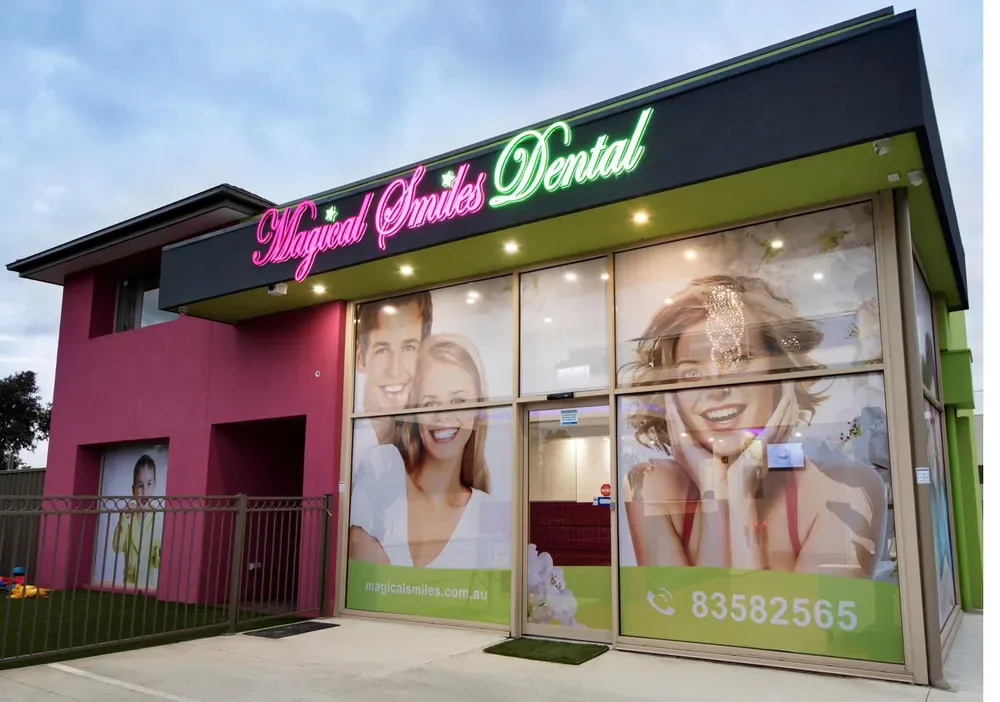
"A family of clinics in Melbourne's west."
220 Point Cook Road, Point Cook VIC 3030
Part of the Magical Smiles group
Part of the Magical Smiles group
There's no deadline and no hard sell. Book a snoring consultation online whenever suits you, or call (03) 8338 1515 to ask whether it's the right next step for you and your partner.
This page is general information about snoring, airway concerns and treatment options people commonly ask about. It isn't medical advice and it isn't a diagnosis. Suspected obstructive sleep apnoea should always be assessed by a sleep physician, which we're happy to help arrange.
Outcomes from any treatment vary from person to person. Suitability is assessed individually, and we'll discuss what is likely — and what isn't — at your first consultation.