Cold drinks need planning.
A sip of iced water or a smoothie brings a sharp jolt through one or two teeth, so you sip slowly or let it warm first.

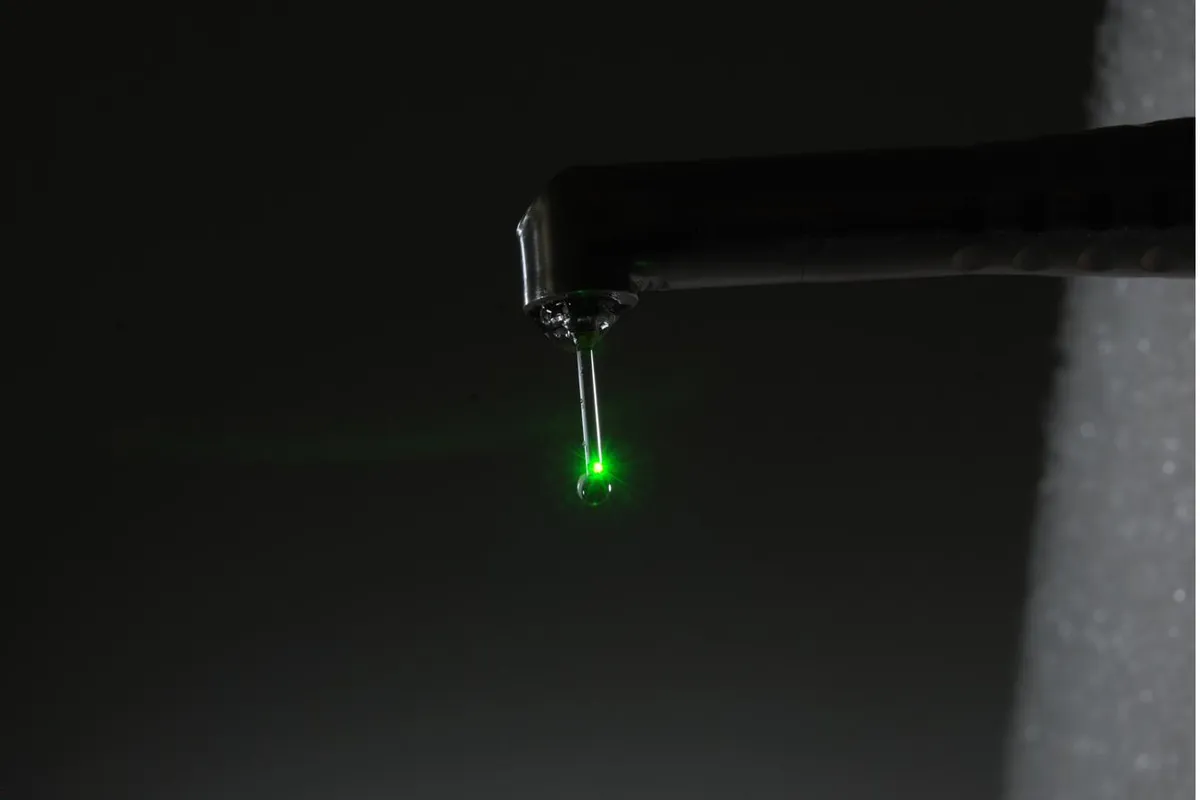
Laser tooth desensitisation treats sensitive teeth by applying low-energy laser light to exposed dentine, which helps seal the tiny channels that carry cold, hot and sweet sensations to the nerve. At Magical Smiles Point Cook your dentist first finds out why the teeth are sensitive, then explains whether a laser is likely to help.
Nobody should have to give up ice cream. The aim is to make cold and sweet things ordinary again.
Sensitive teeth usually have a cause, such as worn enamel, gums that have pulled back or a crack. Finding that cause comes first. Then we can talk about ways to settle the sensitivity, including a laser.
Acid is a common culprit. The Better Health Channel explains that when erosion wears enamel away, the dentine and any exposed root surfaces can become sensitive to hot, cold and sweet foods and drinks. Decay can cause twinges too, and it is common: the AIHW (page updated 6 August 2026) reports that 32% of adults with their own teeth had at least one tooth with untreated decay in 2017–18.
— The Magical Smiles Point Cook team
People with sensitive teeth often adapt without noticing: letting drinks warm up, chewing on one side, bracing before a cold rinse. These are the habits Point Cook patients describe most.
A sip of iced water or a smoothie brings a sharp jolt through one or two teeth, so you sip slowly or let it warm first.
There is a spot where gum meets tooth that you avoid with the brush, even though you already brush gently.
The clean and polish are fine, but a quick blast of air on the tooth makes you grip the chair.
Whitening can leave some teeth sensitive for a while. A short laser session may help settle them. healthdirect (last reviewed February 2025) advises seeing your dental professional if it lasts more than 1 or 2 days.
When gums recede, the softer root surface is left uncovered, and it has tiny channels leading to the nerve. The best plan usually deals with the recession and the sensitivity together.
A brief ache after chocolate or juice can point to exposed dentine. It can also mean decay, which is why your dentist checks first.
Under the enamel is a softer layer called dentine, packed with microscopic tubes that run towards the nerve. Normally enamel or gum covers them. When enamel wears or gums recede, the tubes are exposed, and hot, cold or sweet triggers make the fluid inside them move. The nerve feels that movement as a sharp twinge.
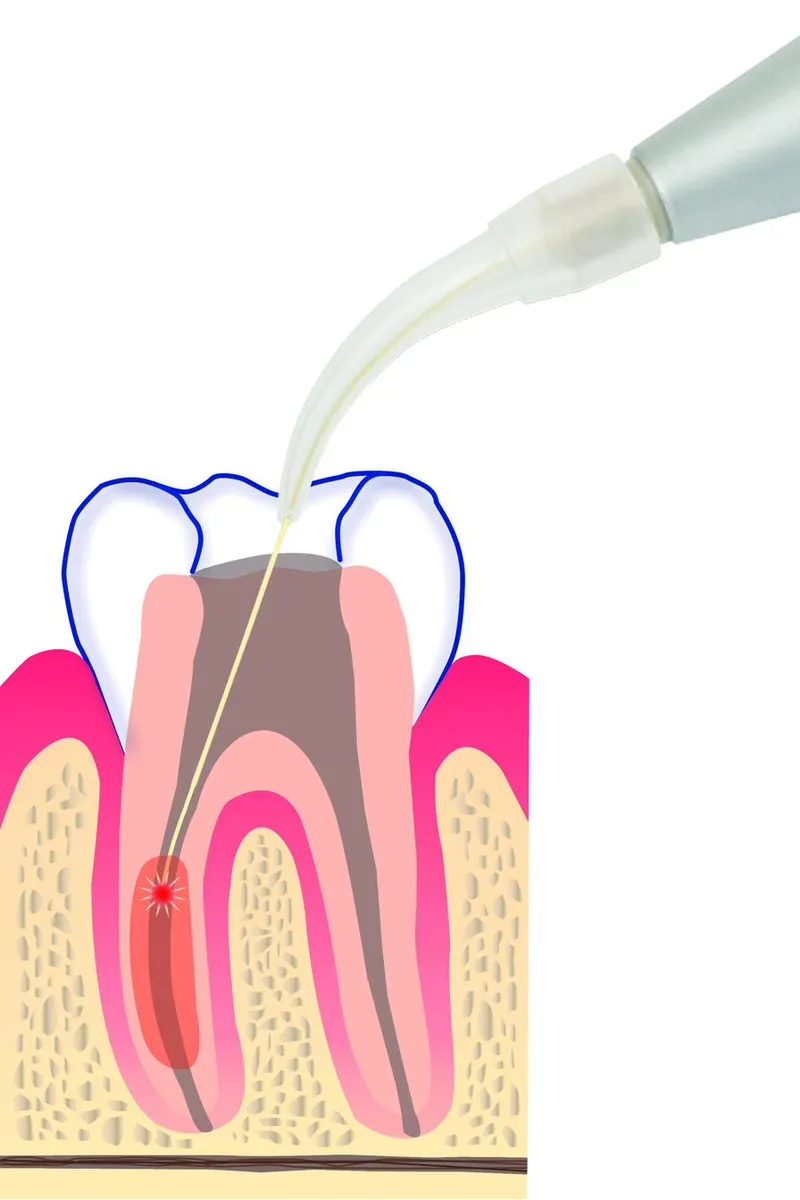
Light absorbed at the surface of the dentine helps close the tube openings that carry hot and cold signals.
Temperature, pressure or sugar makes the fluid in open tubes shift, and the nerve reacts. The pain is real, even though nothing looks wrong.
Your dentist passes the laser over the sensitive areas at a low setting. The energy helps narrow or seal the tube openings, so less fluid movement reaches the nerve.
Nothing is removed from the tooth. Most people notice only a mild warmth, so numbing is rarely needed.
Hard brushing, acidic drinks, receding gums or tooth grinding can all expose dentine. Your dentist looks for the cause and suggests changes so the relief lasts longer.
Desensitisation uses laser light at a low energy level that does not cut or remove any tooth. It is one of several kinds of laser dentistry explained on this site.
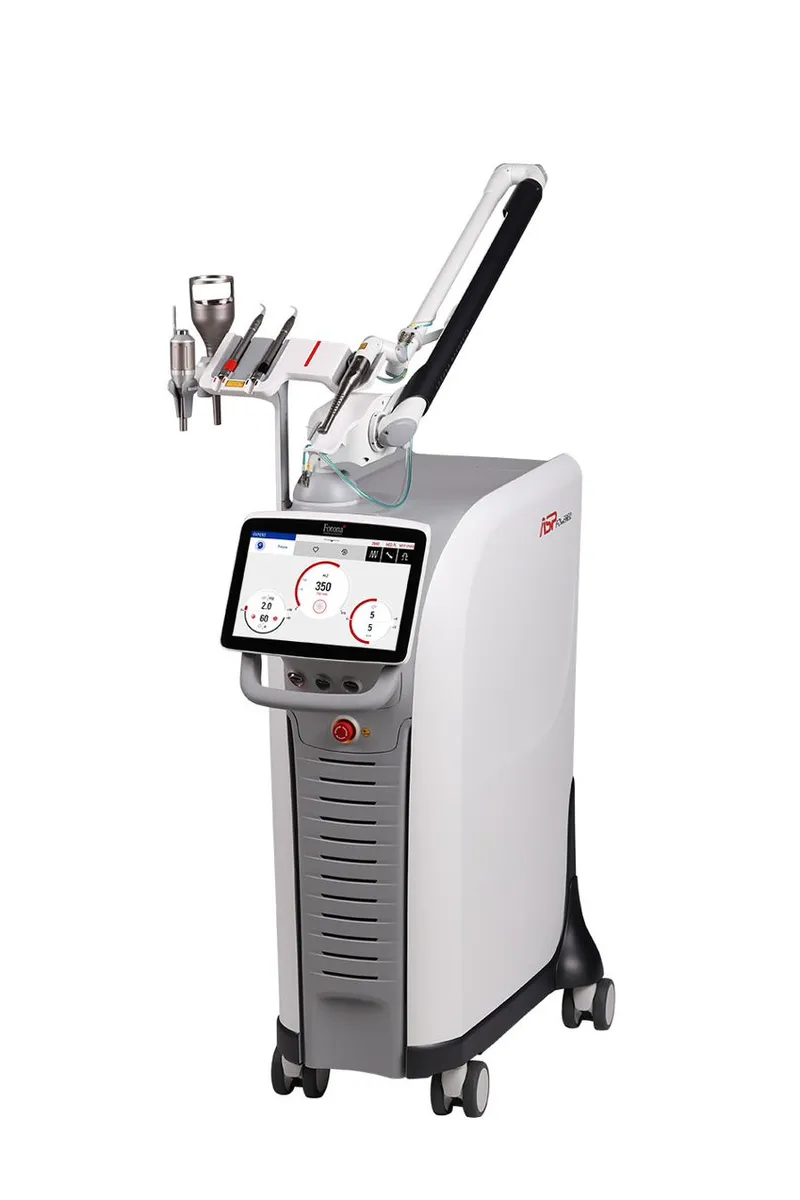
A laser lets your dentist control exactly how much energy reaches the sensitive area. The handpiece is held just off the tooth along the gumline, and because nothing is cut, most people find the treatment easy.
If whitening is on your list, our laser teeth whitening page explains how the two can be timed together.
 Cold drinks, without the wince
It sounds small, but it is what people mention most: cold drinks stopped being simple, and they plan around it all day.
Most people put up with it for months before they book, usually after noticing how often they avoid cold food or wait for coffee to cool.
If that sounds like you, it is reason enough to come in. We'll find out what is causing it and whether a laser should be part of the plan.
Here is how a typical visit runs, from the first chat to heading home.
Tell us which teeth hurt, what sets them off, how long it has been going on and what you have tried.
Your dentist examines your teeth and gums for recession, wear, cracks, decay or grinding, and may take x-rays if needed.
You hear whether a laser makes sense, how many short visits may be needed and what else will help.
You and the team wear laser safety glasses. You can ask us to pause at any time.
The handpiece is moved slowly over the sensitive areas at a low setting. Most people feel a gentle warmth.
We gently test the treated teeth. Some people notice a change straight away; others need another short visit or two.
You get simple advice on brushing pressure, toothpaste and when to have acidic drinks.
If the cause continues, sensitivity can come back. A short top-up can often be done at a regular check-up.
You may already have tried a few things. Many help, and they work well alongside laser treatment. Here is what each can and can't do.
General information only. The right mix for you is decided after an examination.
People with sensitive teeth are often wary of the dentist, so we keep these visits short and unhurried.
Sensitivity can come from several causes, including decay or a crack. We rule those out before suggesting a laser.
Your plan is based on why your teeth are sensitive, not on a one-size-fits-all fix.
We explain each step in everyday words, and you can ask questions at any point.
There is no cutting and usually no injection, and the treatment itself is brief.
Nervous about the dentist? Tell us when you book so we can take things slowly. You can stop whenever you like.
We cover brushing, toothpaste and acidic food and drink, the small changes that help relief last.
Can't find your answer? Call Magical Smiles Point Cook on (03) 8338 1515. There's no pressure to book.
Most often, exposed dentine. Dentine sits under the enamel and is full of tiny tubes. Receding gums, worn enamel, hard brushing, cracks, whitening or recent dental work can expose them, letting hot, cold, sweet or acidic triggers reach the nerve.
The result is a short, sharp twinge.
Your dentist applies laser light at a low setting to the exposed dentine. The energy helps close the tube openings, so triggers have a harder time reaching the nerve.
Nothing is cut, numbing is rarely needed and treatment is quick.
Some people notice it after one visit; others need two or three.
It depends on the cause, how you brush, what you eat and drink, and whether issues like gum recession are being managed too.
Most people feel a mild warmth rather than anything sharp, and numbing is rarely needed.
If you feel anxious, let us know. We'll explain each step first and stop whenever you ask.
Treating a few teeth usually takes 15 to 25 minutes, including a quick check at the start and end.
More teeth take longer, and your first visit includes the examination.
It varies. For many people the improvement lasts months, and short top-ups can be done at check-ups.
If it returns quickly, there is usually an ongoing cause such as recession, hard brushing, acidic drinks or grinding.
Yes. Whitening often makes teeth sensitive for a while, and a short laser session may help settle them.
If you are whitening with us, we can plan the timing together.
No. Sensitivity from exposed dentine is the kind a laser may help. A cavity, a cracked tooth or gum disease needs treating first.
Your dentist will explain what suits you.
At Magical Smiles Point Cook, 220 Point Cook Road, Point Cook VIC 3030, open Monday to Saturday, 9:00 am to 5:00 pm. Call (03) 8338 1515 or book online.
It depends on how many teeth are treated and whether it is combined with other care. Costs and item numbers are explained before treatment.
We accept most health funds with on-the-spot HICAPS claims; check your cover with your fund.
Ask about laser desensitisation at Magical Smiles Point Cook, 220 Point Cook Road, open Monday to Saturday, 9:00 am to 5:00 pm. Phone (03) 8338 1515.
Point Cook VIC 3030
Book a sensitivity check at Magical Smiles Point Cook, or call first with any questions. We'll explain what the visit involves before anything is booked.