Pain that wakes you up.
A throbbing ache at night, or a dull pain through the day, often means the nerve inside the tooth is inflamed or infected.

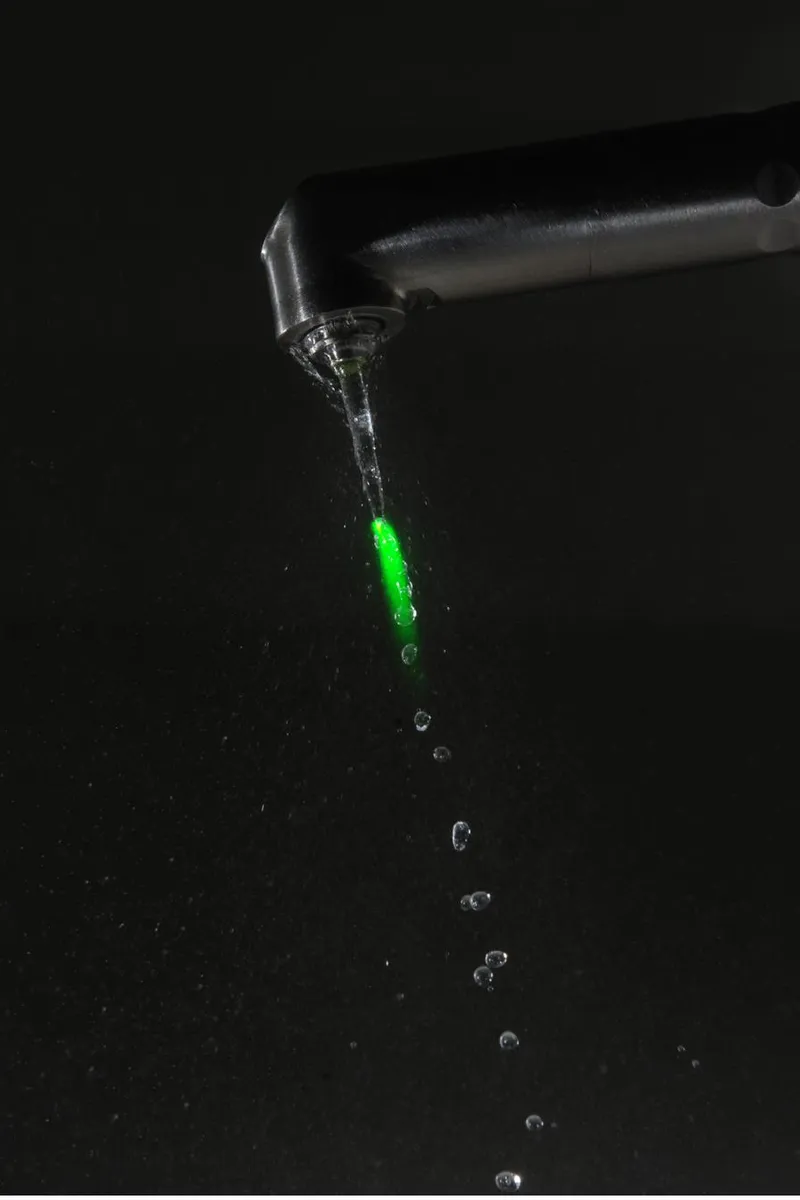
Laser root canal treatment is a standard root canal with an added laser step: pulses of laser energy stir the cleaning solution so it reaches deeper into the tooth's fine inner channels. At Magical Smiles Point Cook your dentist first finds out why the tooth hurts, then explains your options before any treatment.
Root canal treatment has a reputation it doesn't really deserve. Most people who have one say it felt like a long filling. This page explains what actually happens and where the laser fits in.
No jargon, no pressure, just the facts from our Point Cook team.
— The Magical Smiles Point Cook team
A tooth with an infected or inflamed nerve rarely settles by itself. If any of these sound familiar, it is worth having the tooth checked.
A throbbing ache at night, or a dull pain through the day, often means the nerve inside the tooth is inflamed or infected.
A brief twinge from cold is common. Pain that keeps going for a while after the hot or cold drink is gone is a sign to get the tooth checked.
One tooth darkening, often after an old knock, can mean the nerve inside has died. X-rays help confirm what is going on.
A pimple on the gum, a foul taste or swelling in the face near a tooth usually means infection at the root. Please call Magical Smiles Point Cook on (03) 8338 1515 promptly.
Sometimes a tooth that already had a root canal becomes infected again, even years later. Redoing the treatment, with laser-assisted cleaning, may be an option.
A blow to the mouth or a crack from biting can harm the nerve even when the tooth looks fine. Early checks leave more options open.
Inside each root is a main canal with tiny side branches running off it. Files clean and shape the main canal, but they cannot get into every branch. Cleaning solution can, and the laser helps push it there.
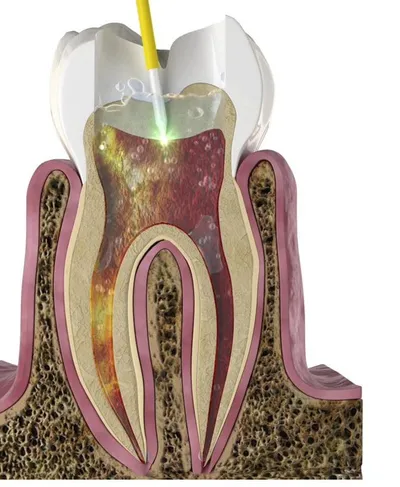
Laser pulses set the cleaning solution moving through the canals.
Even careful filing leaves some areas of canal wall untouched. Disinfecting solution helps, but only where it actually flows.
The laser tip rests at the top of the canal, not down inside it. Each pulse forms a tiny bubble in the liquid that collapses and sends ripples through the canal, helping the solution flow into small spaces.
The pulses are gentle and set below the level that would cut tooth. Your dentist chooses the settings and timing to suit the shape and condition of your canals.
The goal is to cut down the bacteria living in the canal walls and the microscopic tubes of dentine around them before the canals are sealed.
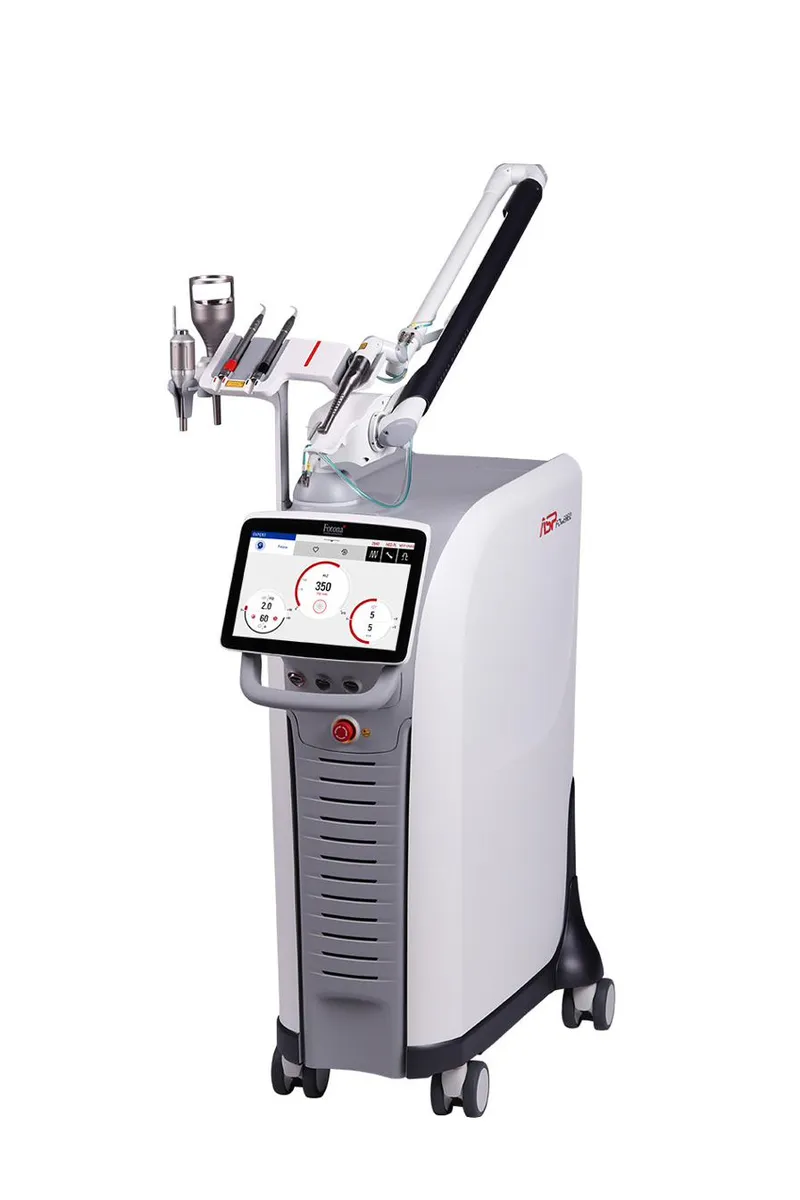 Dental laser
In root canal treatment the laser does not replace files or disinfecting solution. It is an extra step that helps the solution work harder in the hard-to-reach parts of the canal.
Your dentist explains each step before starting. If you would like to know more about the laser used, just ask.
Not knowing what to expect is often the scariest part. Front and back teeth follow the same steps; back teeth just have more canals.
Your dentist examines the tooth and takes x-rays, then explains what they show and the options, including what happens if you leave it.
~ 30–45 minThe tooth is numbed with local anaesthetic, and we check you are comfortable before going on.
~ 5 minA thin rubber sheet around the tooth keeps it clean and dry. You can still breathe and swallow normally.
~ 5 minA small opening is made in the tooth, and fine files clean and shape the canals. You may feel pressure but it should not be sharp.
~ 20–30 minWith the laser tip at the canal opening, short pulses stir the cleaning solution into areas the files miss.
~ 5–10 minThe canals are rinsed a final time and dried, ready to be sealed.
~ 3–5 minThe canals are filled with a rubbery material and sealer to keep bacteria out, then the top of the tooth is filled.
~ 15–25 minBack teeth usually need a crown afterwards to protect them. A later review with an x-ray checks healing.
Later visitsBoth are established ways to treat a tooth. The main difference is how thoroughly the cleaning solution reaches the fine branches of the canal.
General information only. Results depend on the shape of your canals, how severe the infection is, how much tooth is left and how it is cared for afterwards.
At Magical Smiles Point Cook your dentist can diagnose the tooth, treat it, restore it and review it, so you are not starting over with someone new at each stage.
The dentist who examines your tooth explains the options and carries out the treatment at 220 Point Cook Road.
X-rays show the shape of your roots and any infection. If a tooth is complex, your dentist will explain what further imaging or referral may help.
We explain how numbing works and make sure it has taken effect before starting. If dental visits worry you, just tell us.
You are welcome to book a visit just to discuss the tooth and your options before committing to treatment.
Your review visits check that the tooth is settling and that the crown or filling is sealing well.
Magical Smiles Point Cook is open Monday to Saturday, 9:00 am to 5:00 pm. Call (03) 8338 1515 to book.
Here are the questions Point Cook patients ask most. For anything else, call (03) 8338 1515.
The tooth is numbed, so most people feel pressure rather than pain, much like a large filling. The laser step is short and does not touch the tooth directly. You can ask for a break at any time.
Usually one or two visits of about 60 to 90 minutes. A front tooth with one canal is quicker than a molar with several, and redoing an old root canal can take longer.
Often, yes, especially for back teeth that take heavy chewing forces. A root-filled tooth can become brittle, and a crown helps stop it cracking. Some front teeth only need a filling. Your dentist will explain the choices and costs.
Often, yes. If an old root canal has become infected again, retreatment with laser-assisted cleaning may help reach areas missed the first time. X-rays help your dentist decide whether retreatment, referral or removal is the better path.
It is a way of using gentle laser pulses to set the disinfecting solution moving inside the canals, so it flows into side branches and small spaces that files cannot reach. The pulses are too weak to cut tooth. It is one of several laser dentistry techniques.
It depends on which tooth, how many canals it has, how many visits are needed and whether a crown follows. Your dentist explains costs first. We accept most health funds with on-the-spot HICAPS claims, and Afterpay, Zip Pay, Humm and SuperCare are available to eligible patients.
You're far from alone. Tell us when you book that you'd like to go slowly. We explain each step first, check in often and stop whenever you need. Our anxious patients page has more on how we help.
With a good seal on top, usually a crown for back teeth, and good cleaning at home, a root-filled tooth can last many years. It depends on how much sound tooth remains and how well it is looked after.
Children's teeth are treated differently from adults'. Baby teeth and young adult teeth usually need a different kind of nerve treatment, so your dentist will assess each child individually.
At Magical Smiles Point Cook, 220 Point Cook Road, Point Cook VIC 3030, open Monday to Saturday, 9:00 am to 5:00 pm. Call (03) 8338 1515 or book online, and tell us if you are in pain when you call.
Find us at 220 Point Cook Road, open Monday to Saturday, 9:00 am to 5:00 pm. Phone (03) 8338 1515 to book.
Point Cook VIC 3030
A sore tooth rarely improves on its own. Book an assessment at Magical Smiles Point Cook and your dentist will explain what is wrong and what the options are, including laser-assisted treatment. The decision is yours.