This clinic
01Point Cook
Address220 Point Cook Road, Point Cook VIC 3030
Phone(03) 8338 1515
HoursMon–Sat 9:00 am–5:00 pm

Porcelain veneers at Magical Smiles Point Cook are thin ceramic facings made in a dental laboratory to measurements of your teeth, then bonded on across two treatment visits at 220 Point Cook Road. This page covers porcelain in detail; for every veneer type side by side, see the veneers overview.
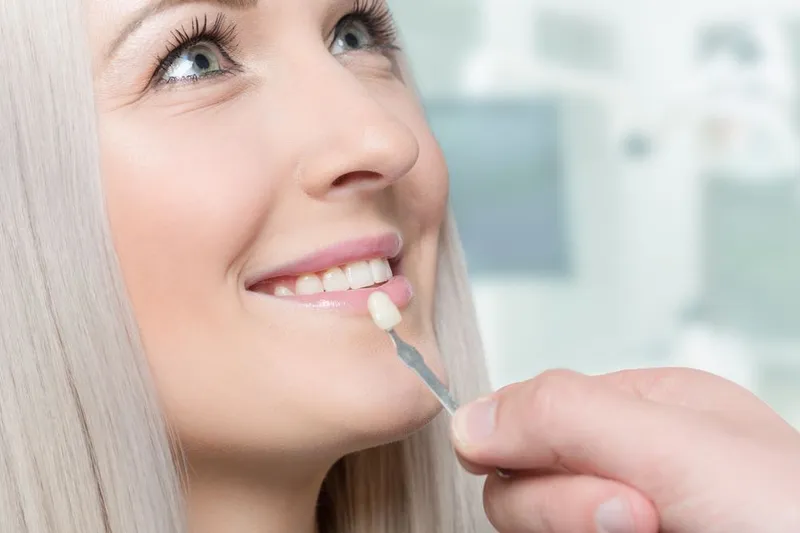
Porcelain veneers are thin ceramic shells bonded to the front of a tooth to change its colour, shape or length. Each one is made in a lab from a scan or impression of your mouth and then fixed in place, which is why porcelain normally takes two treatment visits. Your dentist will compare it with composite and ultra-thin options for your teeth.
You'll find every cosmetic treatment we offer on the cosmetic dentistry page.
Because every veneer is made for one particular tooth, the planning matters as much as the bonding. Shade, surface texture and the way each edge meets the gum are all agreed before anything is fixed, so your first treatment visit is mostly about measuring, photographing and talking it through.
Still weighing up materials? The veneers overview compares all four types. This page sticks with porcelain.
Porcelain usually comes up when more than one tooth is involved, when colour isn't the only concern, or when you'd like a finish that holds its polish over time. It's a long-term choice: a small amount of enamel is normally reshaped so the veneer sits flush, and that change to the tooth can't be undone.
It's rarely the first step for one tiny chip, for someone who wants the option of reversing it, or for teeth that are still developing, which is why younger patients are usually asked to wait. When a gentler option makes more sense we'll say so, because composite bonding handles many of the same concerns in one visit with less work on the tooth.
How the finished veneers look and how long they last varies from person to person. Your examination is where your dentist works out what's realistic for your teeth, before you make any decision.
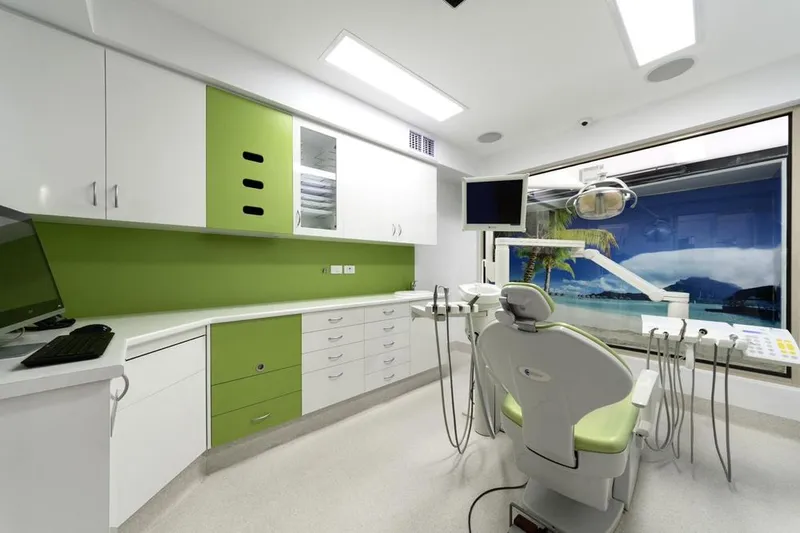
Appointments are built around the conversation, not the clock.
An assessment first, then two treatment appointments, with the porcelain made in between. Nothing is bonded until you've seen and approved the plan.
Your dentist examines your teeth and bite and asks what you'd like to change. Porcelain may suit you, or another option may serve you better. Costs and payment options are set out in writing before anything is agreed.
The teeth are gently prepared, a scan or impression is taken and the shade is chosen with you. Temporary veneers go on to protect the teeth while the porcelain is made.
A technician crafts each veneer from your records, fine-tuning shape, translucency and colour so it sits naturally beside the teeth that aren't being treated.
Each veneer is checked for fit, bite and colour before it's bonded. Small refinements happen during the visit, and nothing is fixed until it looks right to you and your dentist.
Porcelain is priced per tooth, so the total depends on how many teeth are involved and how much preparation each needs. You'll get the exact figure in writing at your consultation, before booking any treatment. Most health funds can be claimed on the spot through HICAPS, and Humm, Afterpay and Zip can spread the balance into regular payments.
When several teeth are involved, the per-tooth figure can shift once the plan is finalised. What doesn't change is the order: you see the numbers before any treatment starts.
Our payment options page explains health fund claims through HICAPS and each payment plan. If veneers are one part of a bigger change, the smile makeover page shows how several treatments are planned together.
Want a weekly figure before you book? Open the repayment estimator → →
An estimate only, not a quote, credit offer or approval. We confirm your actual cost at the consultation.
Dr Rachna Yadav is our Principal Dentist, with a BDS and AHPRA registration DEN0001046139. Dr Amolak Deep is registered with AHPRA as DEN0002514296.
Both are general dentists. If your case needs a prosthodontist's or orthodontist's opinion, we'll say so and help you arrange the referral.
Book a veneers consultation. Your dentist will check your teeth, weigh porcelain fairly against the alternatives and give you the costs in writing before you decide.