01 / Children
Trouble with textures.
Gagging on lumpy food, avoiding meat or bread, or very slow meals. How freely the tongue moves affects how a child chews and swallows.

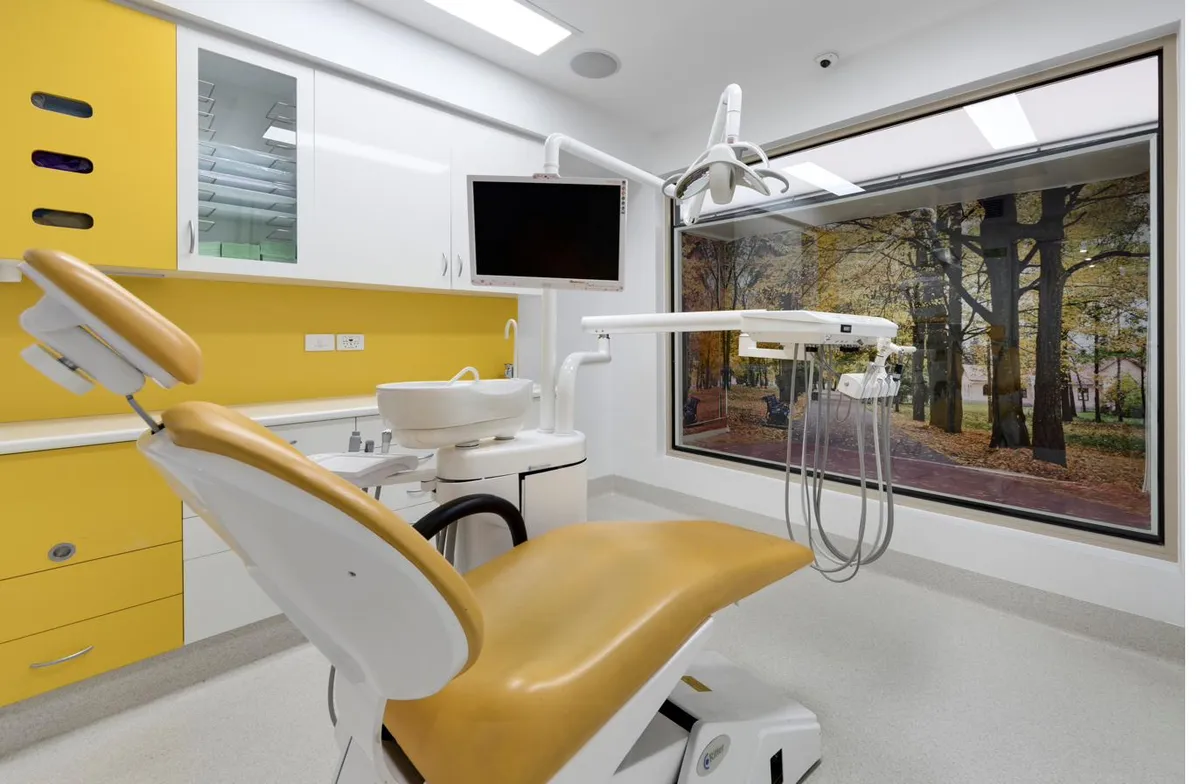
Laser tongue and lip tie release (frenectomy) frees a tight band of tissue under the tongue or upper lip using a dental laser instead of scissors or a scalpel. At Magical Smiles Point Cook we assess school-age children, teenagers and adults first, and only suggest release when the tie is causing a real problem. Parents can also read our children's tongue tie page.
If someone has mentioned a possible tongue tie, you probably want to know what an assessment involves and what treatment would feel like, whether it is for your child, your teenager or you.
This page explains both, with no expectation that you book treatment before the assessment gives you an answer.
— The Magical Smiles Point Cook team
A tight frenulum can cause trouble at different ages: a child struggling with certain sounds, a teenager with a gap between the front teeth, an adult with long-standing tongue or jaw tension. These are common examples.
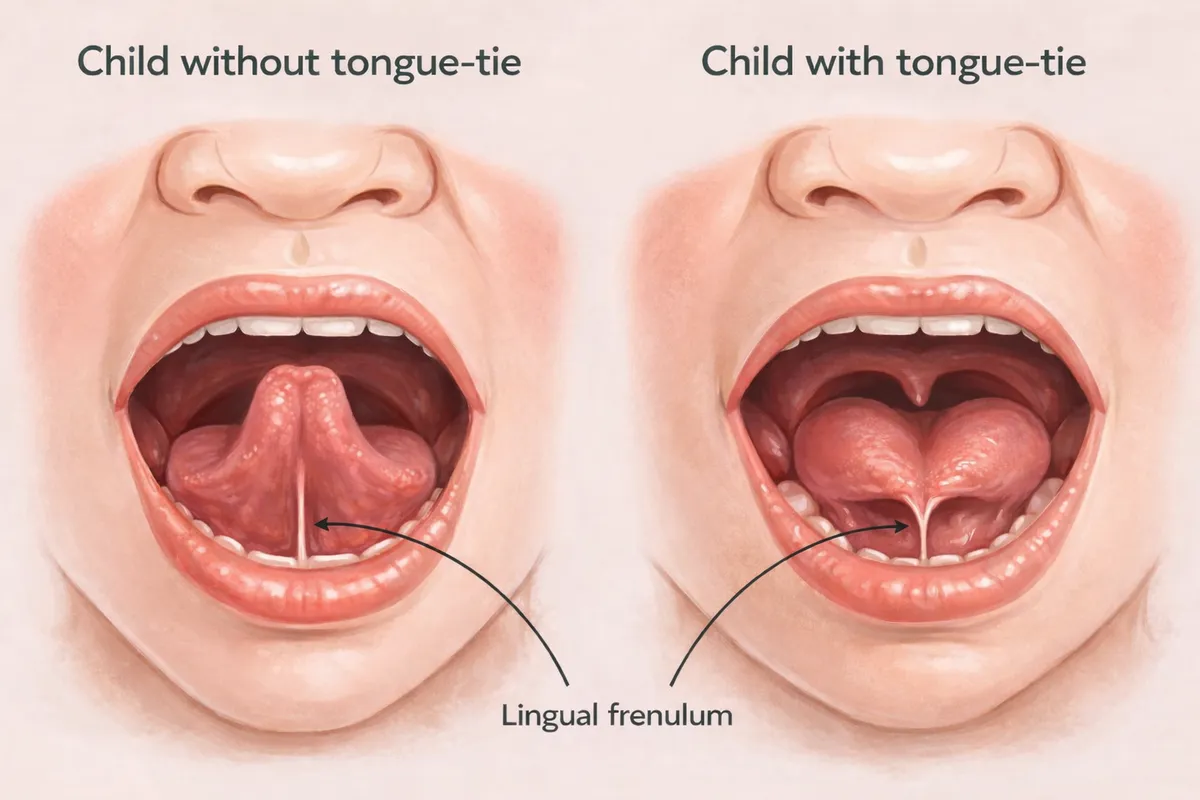
Under your tongue is a thin fold of tissue called the frenulum. Usually it is loose enough for the tongue to move freely. When it is short, thick or attached too far forward, it limits movement, and that is a tongue tie. A similar band under the upper lip can cause a lip tie. Lasers are used for other gum procedures too, such as a laser gum lift.
Not every tie causes trouble. Victoria's Better Health Channel notes that tongue-tie may improve on its own by age two or three, and that when surgery is needed it often means releasing the frenum with surgical scissors or a laser. The Victorian Department of Health's referral criteria (updated 26 November 2025) say referrals for older children with speech difficulties should go to a speech therapist. For babies, healthdirect (last reviewed January 2026) explains that some tongue-ties cause no problems, and that dividing the tie is the only effective treatment when it is causing feeding problems.
Illustration only; every mouth is different. A hands-on assessment decides whether release is appropriate.
Gagging on lumpy food, avoiding meat or bread, or very slow meals. How freely the tongue moves affects how a child chews and swallows.
Ongoing trouble with 'r', 'l', 's' or 'th', which need the tongue tip to lift. A speech pathologist leads this care, and release is considered only when the tie is clearly part of the problem.
A thick band under the upper lip can hold the front teeth apart. It is often looked at as part of orthodontic planning.
Limited tongue lift, jaw tension or mouth breathing at night. Adults can be assessed too.
A tight band under the tongue can tug on the gum behind the lower front teeth. Releasing it is sometimes part of gum care.
A thick band under the upper lip may add to a gap, trap food or pull on the front gum. Many adults don't realise it can be treated.
In a laser frenectomy, laser light releases the tight band instead of a blade. Soft tissue is mostly water, which absorbs the light, so the tissue is released in small steps and small blood vessels seal as the laser works.
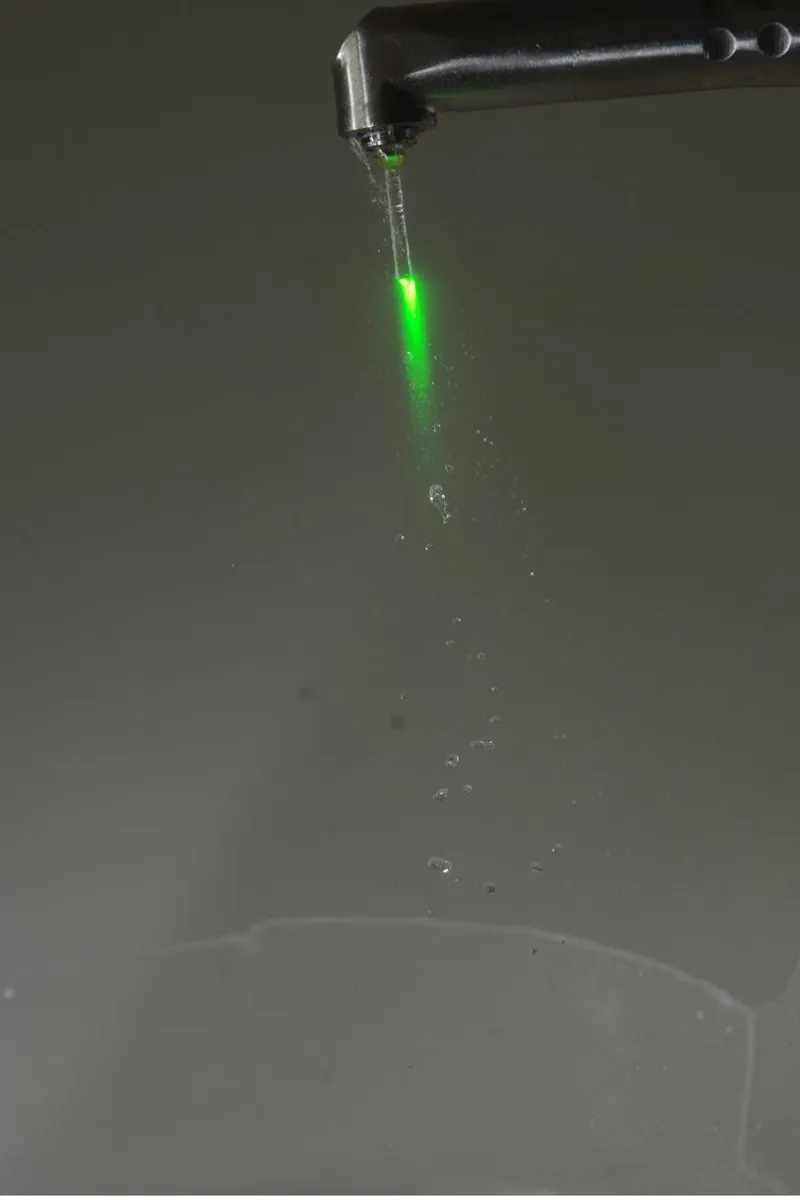
The laser releases the tight tissue in short, controlled passes, sealing small blood vessels as it goes. The release itself is usually over within a minute or two, and the wound often needs no stitches, with little bleeding.
For older children, teenagers and adults the visit feels more like a filling than an operation. The area is numbed slowly, the laser work is quick, and you go home with aftercare advice and a review booked.
Frenectomy calls for a laser wavelength that soft tissue absorbs well, so the tight band can be released precisely while the surrounding tissue is disturbed as little as possible.
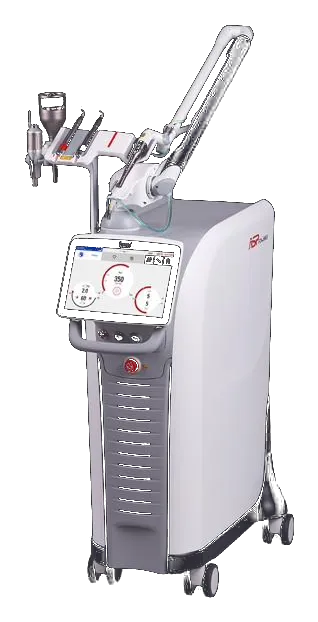
Soft-tissue work in the mouth needs fine control over depth and a gentle touch on the muscle underneath. A laser offers both, and it seals as it works.
The release takes very little time. Most of the care goes into the assessment beforehand and the stretches afterwards.
We talk about why you have come, any speech or eating concerns and your dental history. Bring whoever you like.
Visit 1 · 30 minWe check how the tongue lifts and moves, listen to some speech and examine teeth and gums. Reports from a speech pathologist, orthodontist or GP are helpful.
Visit 1 · 15 minWe explain what we found, whether release is needed, what to expect and the alternatives, including leaving it alone. Costs are explained before you decide.
Visit 1 · 15 minThe area is numbed slowly with local anaesthetic, and everyone puts on safety glasses.
Visit 2 · 10 min prepOnce the area is numb, the laser releases the band, usually within a couple of minutes. Stitches are often not needed.
Visit 2 · 1–3 minAfter a rinse, we check tongue and lip movement. It feels strange at first and settles as the numbness wears off.
Visit 2 · 15–20 minWe show you gentle stretches to do at home for a few weeks and explain when to call us if you are worried.
Visit 2 · 10 minA review a week or two later checks healing and movement.
Visit 3 · 20 minBoth scissors and lasers are accepted ways to release a tie. This is how they generally compare; your dentist will explain what suits you.
Tongue and lip ties overlap with speech pathology, orthodontics and gum care. We focus on the dental side and keep the process calm.
Tie release is one of several soft-tissue treatments explained on our laser dentistry page.
Laser settings are adjusted to the age of the patient and the thickness of the tie.
With your consent, we can share findings with your speech pathologist, orthodontist, GP or other health professional.
We explain each step to children in words they understand and allow enough time so nobody feels rushed.
Local anaesthetic is given slowly, and we check in with you or your child as it takes effect.
Not every tie needs treating, and we will tell you if yours doesn't. An assessment doesn't commit you to anything.
Plain answers from our Point Cook team. For anything else, call (03) 8338 1515.
Magical Smiles Point Cook is at 220 Point Cook Road, open Monday to Saturday, 9:00 am to 5:00 pm. Phone (03) 8338 1515.
220 Point Cook Road, Point Cook VIC 3030
Book a tie assessment at Magical Smiles Point Cook, open Monday to Saturday, 9:00 am to 5:00 pm. We'll check the tie carefully, explain what we find and only recommend release if it is needed. The first visit doesn't commit you to treatment.