✦ Now welcoming new patients  ·  Toothache? Call early for the first available time  ·  HICAPS, Afterpay, SuperCare & most health fundsPoint Cook · (03) 8338 1515
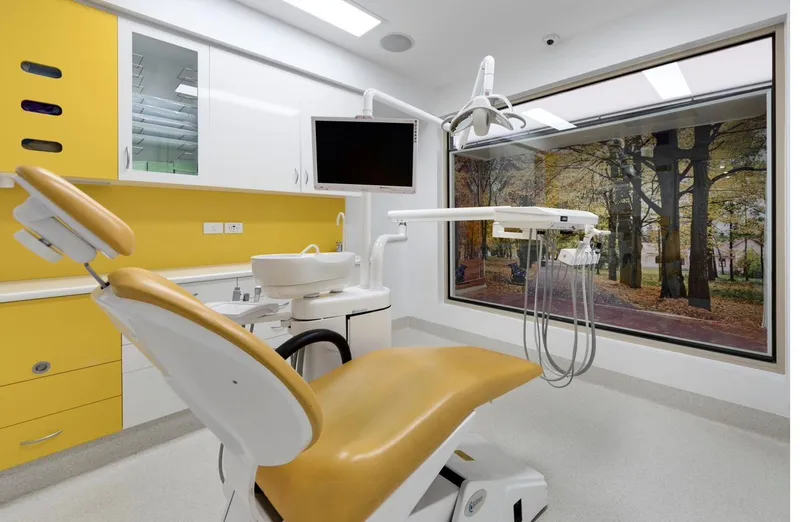
Dental treatment room with a yellow chair and a large window mural of autumn trees
Point Cook · Tooth removal

Tooth extractions in Point Cook, when a tooth can't be saved.

A tooth extraction removes a tooth that can't be repaired, such as one with deep decay, a severe crack or an infection that won't settle. At Magical Smiles Point Cook we examine and X-ray first, tell you honestly whether the tooth can be kept, and only recommend removal when it can't. Toothache right now? Call (03) 8338 1515.

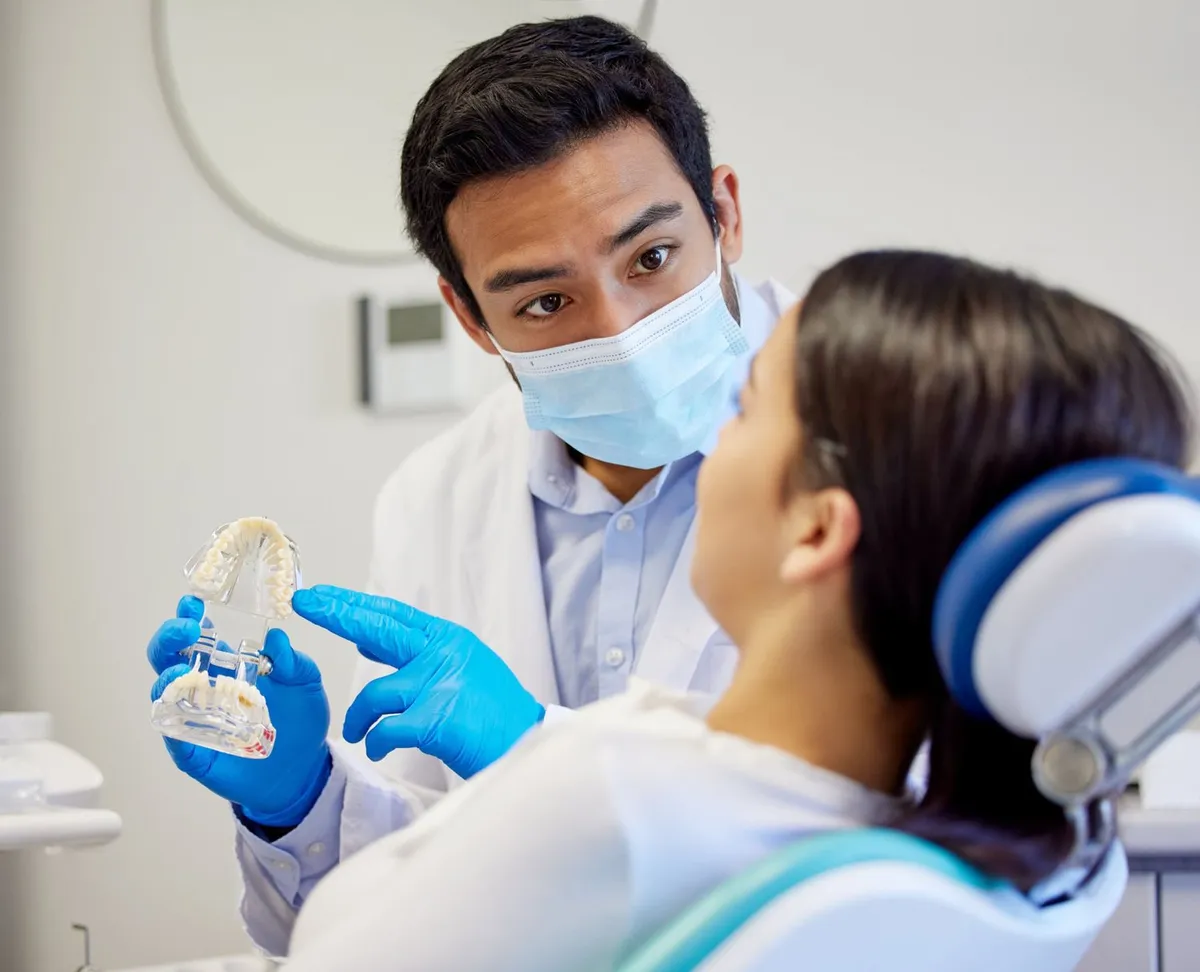
Dentist explaining a procedure to a patient seated in the dental chair
Start here

What having a tooth removed involves.

During an extraction your dentist numbs the area, then carefully frees the tooth from the bone and gum that hold it in place. It's one of the most common procedures in dentistry. You stay awake the whole time, and local anaesthetic keeps the area numb.

People need a tooth out for different reasons: decay that has gone too deep, a fracture that can't be restored, crowding before orthodontic treatment, or a wisdom tooth stuck under the gum. Whatever the reason, our goal is the same: solve the problem and look after the teeth and bone around it.

The earlier a problem is found, the more options there usually are for keeping the tooth. The Australian Institute of Health and Welfare (AIHW) reports that around 1 in 3 adults aged 15 and over with their own teeth (32%) had at least one tooth with untreated decay in 2017–18, and that close to 89,200 hospitalisations for dental conditions in 2024–25 could potentially have been prevented with earlier treatment.

There are two broad approaches, and the tooth's position and roots decide which one we use:

Simple or surgical

Two ways a tooth can be removed.

It comes down to whether the tooth is fully through the gum, whether it has broken, and how its roots are shaped. You'll know which approach we recommend, and why, before we begin.

Tooth removal is one part of our general dentistry care in Point Cook, alongside check-ups, fillings and cleans.

Simple

Simple extraction

For a tooth that has fully come through the gum and is easy to reach.

This is the most common type. Once the area is numb, the dentist loosens the tooth with small instruments and lifts it out. You'll notice pressure and some pushing, while the anaesthetic blocks sharp sensation.

  • You're awake; only the tooth and the gum around it are numbed.
  • Most are finished in one short appointment.
  • Usually no cut in the gum and no stitches.
  • Often used for decayed or loose teeth that are fully visible.

Surgical

Surgical extraction

For a tooth that can't be lifted out in one piece.

A tooth broken off at the gum, one trapped beneath gum or bone, or one with curved roots may need extra steps. The dentist might make a small opening in the gum or divide the tooth into sections so each part comes out with less force.

  • May need a small cut in the gum and, sometimes, a few stitches.
  • Common for impacted wisdom teeth and teeth broken below the gumline.
  • Healing happens in stages, and you'll go home with written aftercare advice.
  • Planned from X-rays, so we know the shape of the roots before we start.

What about healing? healthdirect's guide to tooth extraction (last reviewed February 2025) says the anaesthetic usually wears off after 1 to 2 hours, and the wound usually takes up to 2 weeks to heal. You'll go home with aftercare advice written for your extraction.

Please note: Any surgical or invasive procedure carries risks. Before proceeding, you should seek a second opinion from an appropriately qualified health practitioner.

Toothache today?

Your emergency visit, step by step.

When a tooth is throbbing it's hard to think clearly, and it happens to plenty of people: the AIHW reports that around 1 in 5 adults with their own teeth (19%) had toothache in the previous 12 months, in a 2021 national survey. Here's what happens when you come to our Point Cook clinic, open Monday to Saturday from 9:00 am to 5:00 pm, so you know what to expect before you arrive.

Person holding their cheek because of toothache
01

First, a proper look

Your dentist asks about the pain and examines the tooth. We explain what we've found and your options before any treatment happens.

02

X-rays when needed

The roots, any infection at their tips, the surrounding bone and nearby nerves only show up on an X-ray. That view tells us whether the tooth can be saved and, if not, the safest way to remove it.

03

Often treated at the same visit

When it's safe and there's time in the book, we aim to treat the tooth at that appointment, because nobody wants another night of toothache.

04

When we wait a few days

Occasionally a bad infection stops the anaesthetic from working well. Instead of forcing it, the dentist may prescribe antibiotics or suggest pain relief and see you again once the swelling has calmed down.

Why we sometimes treat the infection first

Leaving with a prescription instead of treatment can feel frustrating. The reason is chemistry: infection makes the tissue around a tooth more acidic, and local anaesthetic doesn't work well in that environment. Once antibiotics have settled the infection, numbing is more reliable and the extraction can be done more comfortably. It's a short wait for a much easier appointment.

Thinking ahead

What happens if you leave a gap?

Once the pain has gone, a missing back tooth is easy to forget. But the teeth around it rely on each other, and over months or years a space can lead to changes like these:

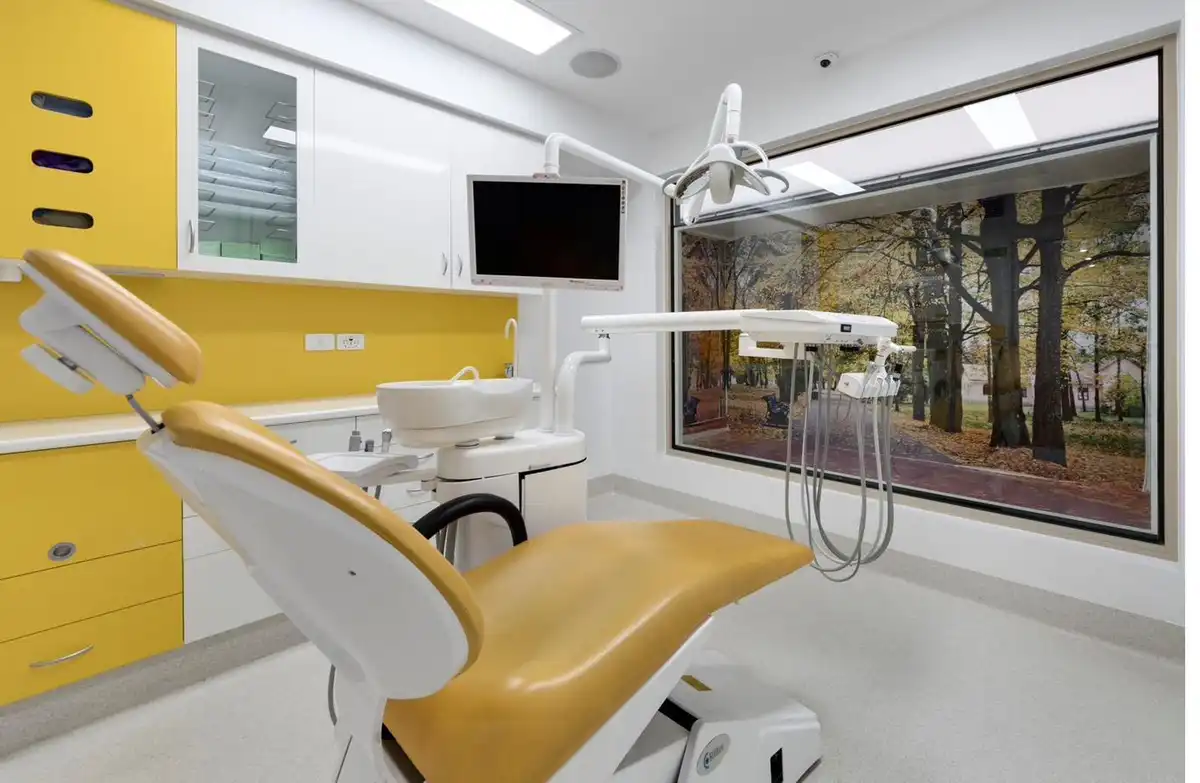
Dental treatment room with a yellow chair, overhead light and tree mural window

Nearby teeth drift

Teeth on either side can tip into the empty space, creating angles where food collects and a toothbrush has trouble reaching.

More risk of decay and gum problems

Those new hard-to-clean spots let plaque build up, which puts previously healthy teeth at risk.

Bone can thin out

A tooth root keeps the bone around it active. Without it, the jawbone slowly loses volume, which can affect your bite and make a later replacement harder.

The opposing tooth can move

The tooth that used to bite against the missing one has nothing to meet, so it may gradually move further out of its socket.

You start favouring one side

Chewing shifts to the other side of your mouth, adding wear and strain to those teeth and your jaw over time.

Replacement may get more involved

These changes are slow, but the longer a space is left, the more the surrounding teeth move, which can make an implant, bridge or denture more complicated.

If an extraction is needed, we'll explain your replacement choices, including dental implants, bridges and dentures, and what might suit you. You don't need to decide on the day. For a side-by-side comparison, our sister clinic's article on implants versus dentures is a helpful read.

Our approach

We try to keep your natural tooth first.

At Magical Smiles Point Cook, removing a tooth is the last option we reach for. A natural tooth is anchored in the jaw, senses the pressure of every bite and helps keep the surrounding bone and gum healthy. Replacements can work well, but none of them do all of that.

So before extraction is even discussed, we check whether the tooth can be repaired. Often it can, with treatments such as:

a

Fillings

Decay found early can usually be cleaned out and sealed with a tooth-coloured filling, keeping the tooth where it is.

b

Root canal treatment

When the nerve inside a tooth is infected, root canal treatment removes the infection and seals the tooth so it can stay.

c

Crowns

A cracked tooth, or one that's mostly filling, can often be protected with a crown that covers and strengthens it.

We recommend taking a tooth out only when it genuinely can't be saved, and when that happens we take our time and keep you informed at every step.

Woman holding a toothbrush and pointing at her smile

Paying for treatment.

Worry about cost shouldn't leave you in pain. At our Point Cook clinic you can claim health fund rebates on the spot with HICAPS and choose from flexible payment options, and we'll explain the cost before any treatment begins. Services Australia lists extractions among the basic dental services covered by the Child Dental Benefits Schedule (CDBS), and eligible children can claim up to $1,158 over two calendar years (or $1,132 if their two-year period began in 2025).

  • Most health funds
  • Afterpay
  • National Dental Plan
  • SuperCare
Common questions

Tooth extractions in Point Cook: FAQs.

We numb the area thoroughly with local anaesthetic and check you're comfortable before starting. You'll feel pressure and movement, while the anaesthetic is there to block sharp sensation. Some soreness afterwards is normal, and we'll explain how to manage it at home. If anything feels wrong during treatment, tell us and we'll pause and adjust.
A simple extraction removes a tooth that is fully visible and can be loosened and lifted out. A surgical extraction is for a tooth that has broken at the gumline, is impacted like some wisdom teeth, or has awkward roots, and it may involve a small cut in the gum and stitches. We'll tell you which one you need before treatment.
Phone (03) 8338 1515 as early in the day as you can and we'll fit you in as soon as the schedule allows; we're open Monday to Saturday. Every emergency visit starts with an examination, plus X-rays if needed. When it's safe, treatment can happen at that visit, although a severe infection may need antibiotics first.
The cost depends on whether the extraction is simple or surgical, and you'll receive a written estimate first. Health fund rebates can be claimed on the spot with HICAPS, and Afterpay, the National Dental Plan and SuperCare are available, subject to eligibility and terms.
Not always, but a gap can let nearby teeth drift, change your bite and allow the jawbone to shrink over time. Implants, bridges and dentures are all options, and we'll go through what suits you with no pressure to decide straight away.
Lots of people feel the same, and you won't be judged. We go at your pace, explain each step before we do it, and can talk about ways to make numbing more comfortable and whether sedation could suit you. Tell us what worries you when you book so we can plan around it.

Worried about a tooth? Let's take a look.

Whether it's aching tonight or a problem you've been putting off, your first visit is simply a conversation. Your dentist checks the tooth, explains what's happening and goes through your options, with no pressure and no lecture.

Our locations