Monitoring, not removing
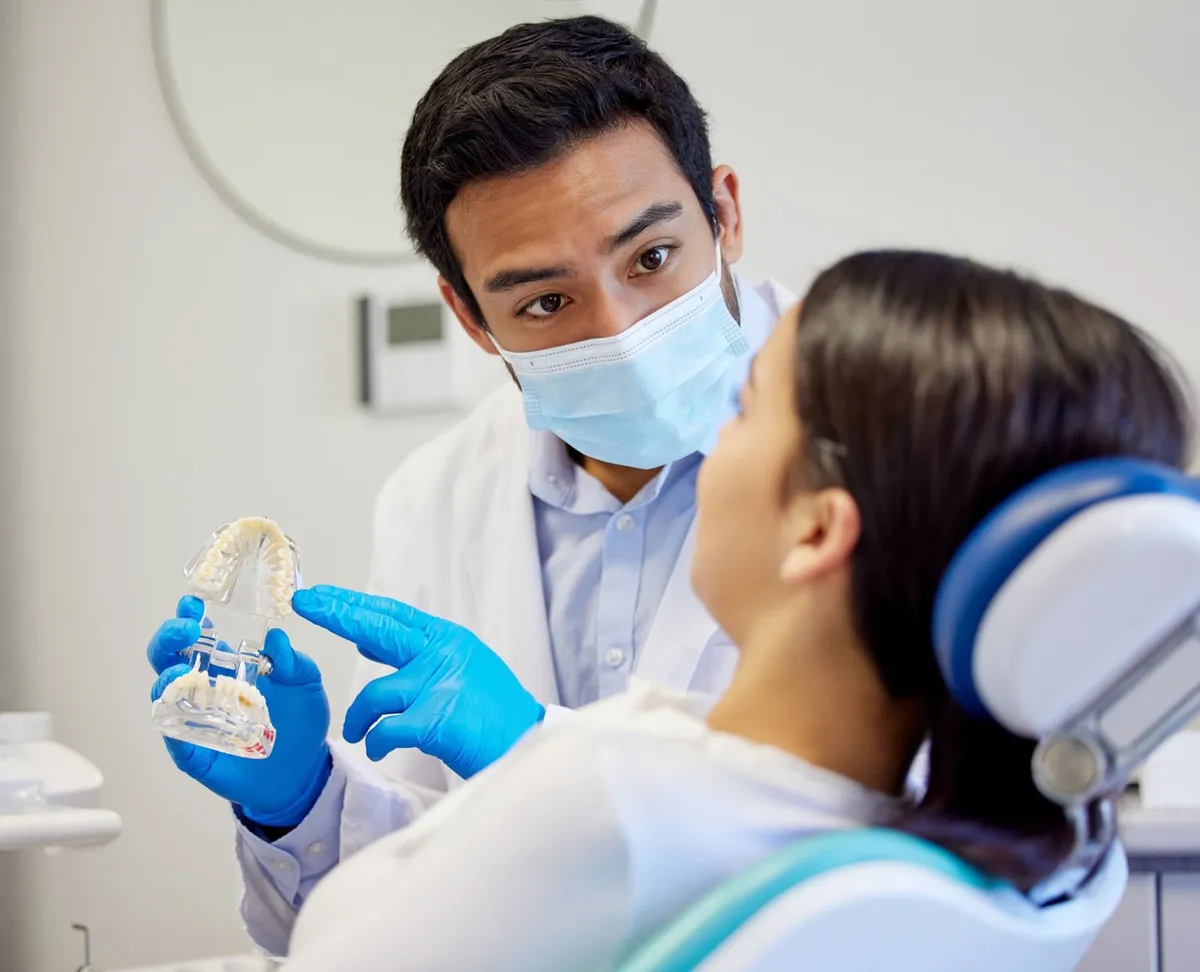
If a wisdom tooth is healthy, upright and causing no problems, leaving it alone is often the best choice. We'll check it at your regular visits.
When monitoring makes sense, we'll tell you so.

Wisdom teeth only need removing when they're causing problems or likely to. At Magical Smiles Point Cook we start with an examination and X-ray, then explain whether your wisdom teeth can be monitored, removed simply or need surgical removal. Aching at the back of your mouth? Call (03) 8338 1515 or book online.
Wisdom tooth trouble tends to creep up. The early signs are easy to ignore, until they aren't. Toothache of any kind is common: the Australian Institute of Health and Welfare (AIHW, page updated 6 August 2026) reports that around 1 in 5 adults with their own teeth (19%) had toothache in the previous 12 months, in a 2021 national survey. If you've noticed any of the following, it's worth booking a check.
Wisdom teeth are your third molars, the last teeth to come through, usually between your late teens and mid-twenties. By that stage there often isn't enough space left in the jaw.
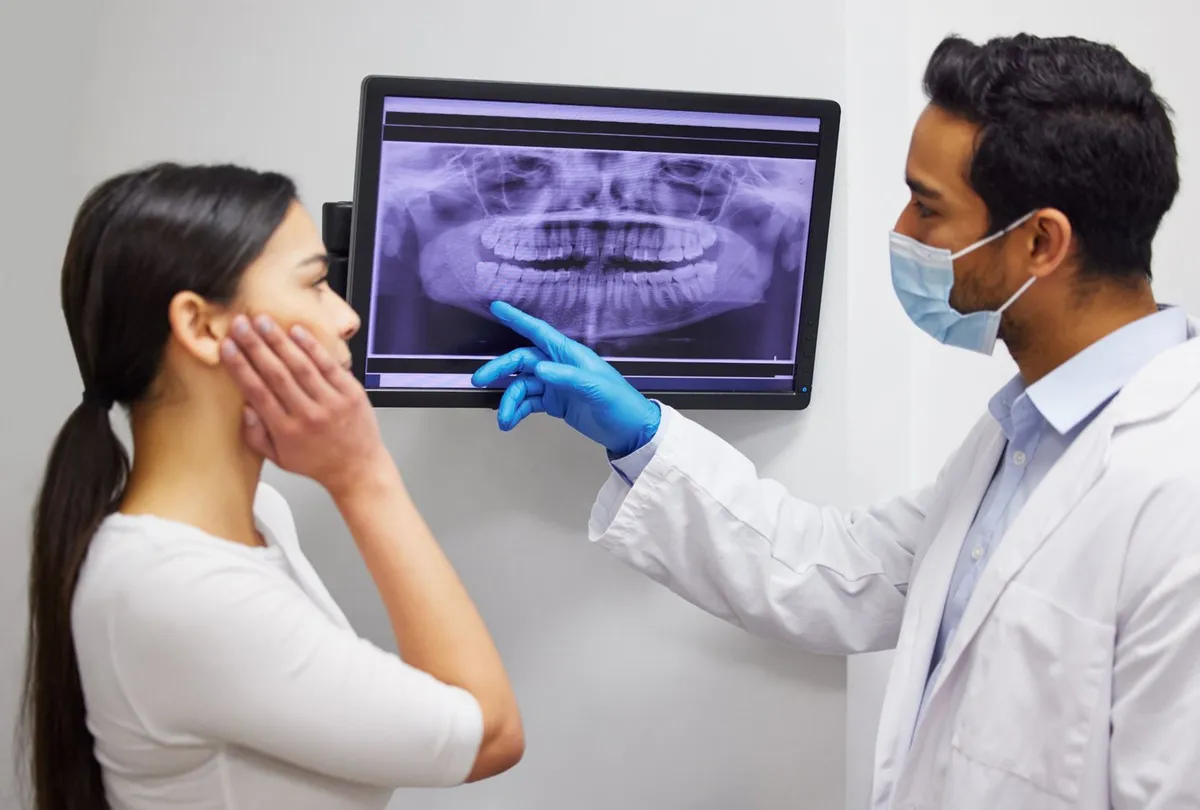
Without room, a wisdom tooth can grow in at an angle, get stuck halfway, or stay buried under the gum. This is called impaction, and it's the most common reason wisdom teeth cause pain, infection or damage to neighbouring teeth. A panoramic X-ray usually tells us how yours are positioned.
Lower wisdom teeth tend to be the trickier ones. healthdirect's guide to removing wisdom teeth (last reviewed January 2026) notes that they take longer to come through and are more likely to be impacted, which makes repeated infections more likely.
No. Once we've seen your X-rays, we'll explain which of these suits your situation, with no pressure either way.
Wisdom tooth care is part of our general dentistry in Point Cook, and regular cleans help keep hard-to-reach back teeth healthy (our air polishing guide explains one gentle method).
Timing can matter as well. Victoria's Better Health Channel explains that wisdom tooth roots are still forming in the teenage years, which can make removal easier at that age, so we'll talk about when as well as whether.
If a wisdom tooth is healthy, upright and causing no problems, leaving it alone is often the best choice. We'll check it at your regular visits.
When monitoring makes sense, we'll tell you so.
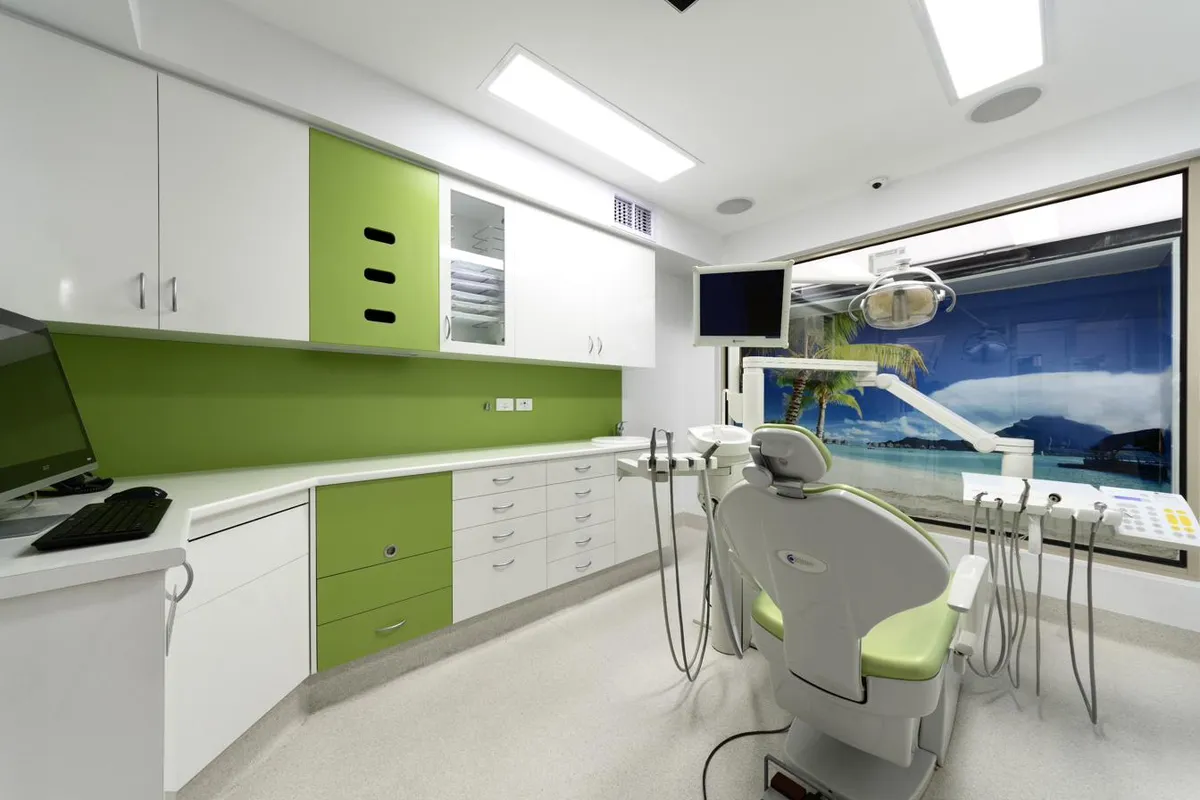
When a wisdom tooth has fully broken through the gum, it can often be removed in a straightforward way under local anaesthetic.
We check how you're going throughout, and you go home the same day with written aftercare instructions.
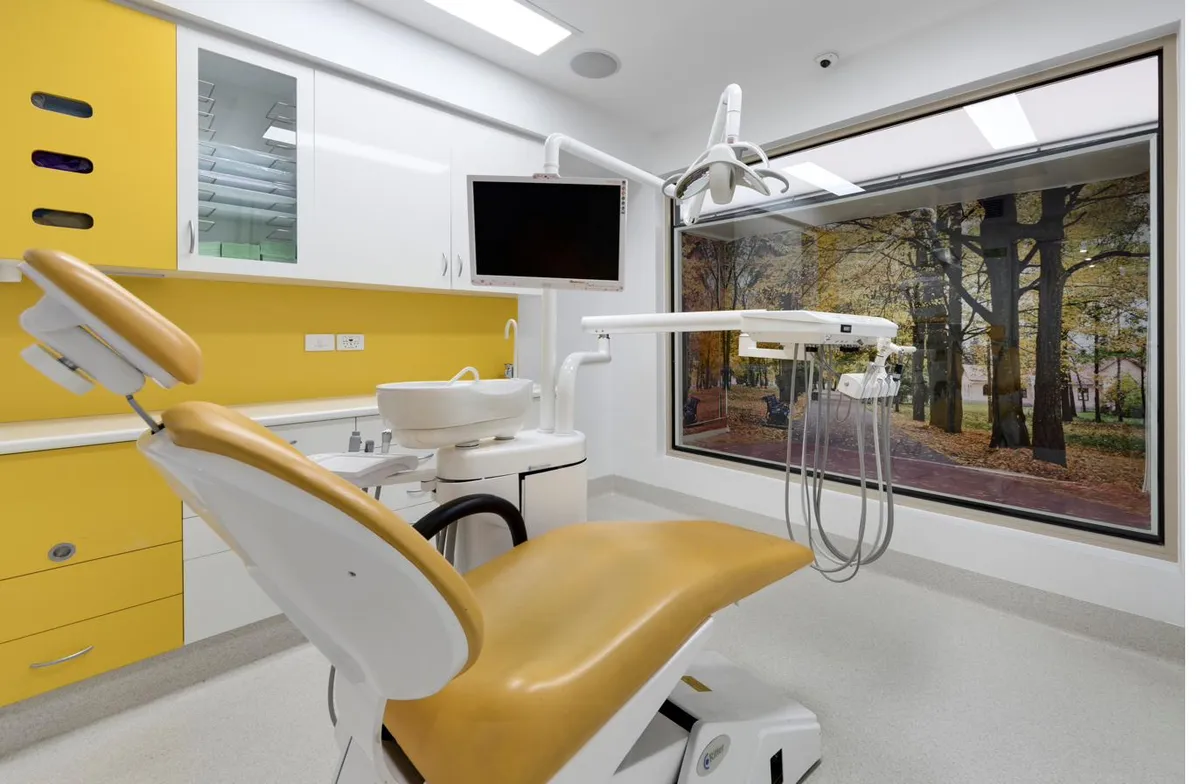
An impacted tooth, one that's tilted or still under the gum, usually needs a surgical approach. We'll explain exactly what's involved, talk about whether sedation could suit you if you'd like help to relax, and let you know if a specialist referral would be safer for your case.
Any surgical or invasive procedure carries risks, and we'll go through them with you before you agree to anything.
Wisdom teeth have a scary reputation. At our Point Cook clinic we focus on making the process clear, calm and as comfortable as we can.
We don't recommend removal unless there's a good reason. If it's reasonable to wait, we'll explain the pros and cons of each choice.
Thorough numbing and a patient, unhurried approach, and a conversation about extra support if you'd like it.
We show you your X-rays, explain them in everyday language and give you a straightforward summary of your options.
Here's how wisdom tooth treatment usually unfolds at our clinic.
We examine your mouth, ask about your symptoms and take an X-ray to see exactly where your wisdom teeth are and how they're growing.
We talk through what we've found and answer the big question honestly: remove them now, or keep watching?
Local anaesthetic numbs the area (ask us about sedation if nerves are a worry), and we check on you throughout.
You'll take home written aftercare advice and our number, (03) 8338 1515, in case anything doesn't feel right in the following days.
We check that everything has healed well and answer any questions that came up during recovery.
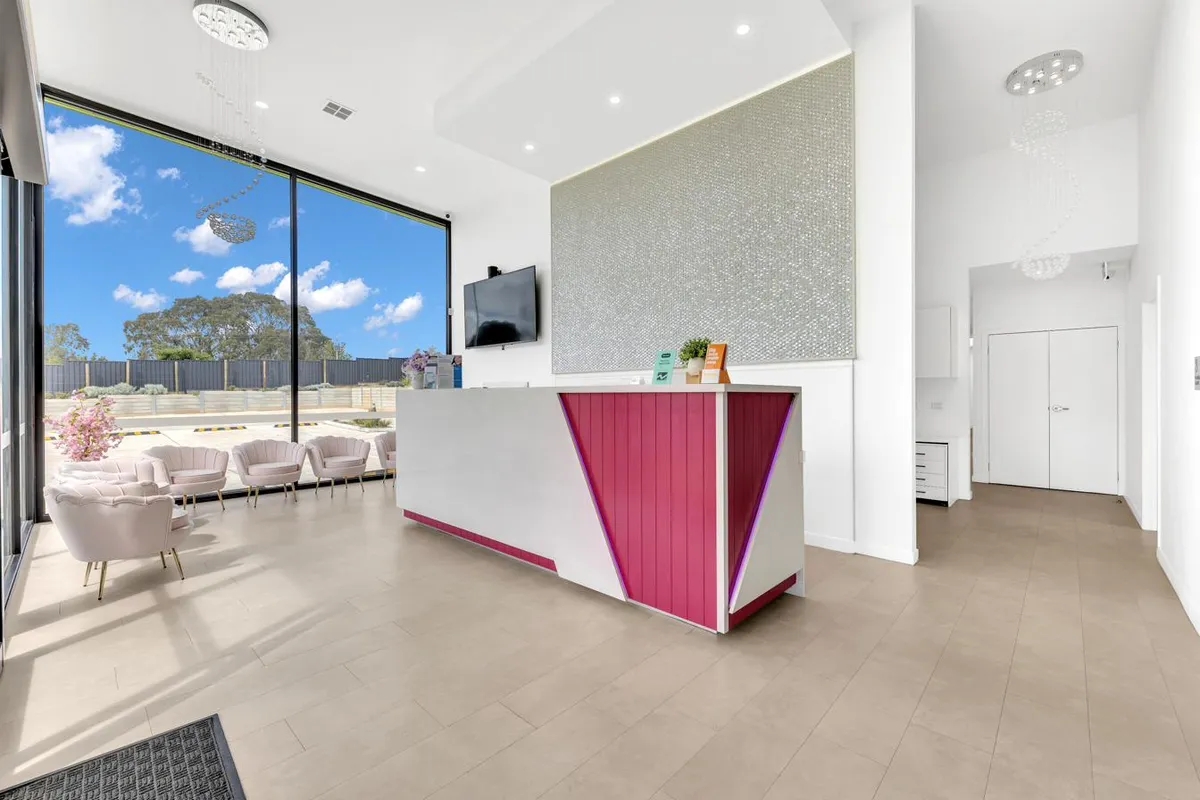
A consultation and X-ray are usually enough to understand what's happening. Have a question first? Give us a call and we'll talk it through.
Book a consultation (03) 8338 1515Any surgical or invasive procedure carries risks. Before proceeding, you should seek a second opinion from an appropriately qualified health practitioner. Recovery differs from person to person.
One consultation and an X-ray will show what's going on and whether anything needs to happen. Book online or give the clinic a call.