Veneers that stand out for the wrong reasons.
The shade no longer blends with the teeth beside them, and you have started hiding your smile in photos.

Laser ceramic debonding is a way to take off old porcelain veneers and all-ceramic crowns by softening the cement underneath, instead of grinding the ceramic away. At Magical Smiles Point Cook your dentist first checks what the restoration is made of, then explains whether a laser can release it. Planning something new? Our veneers page covers the next step.
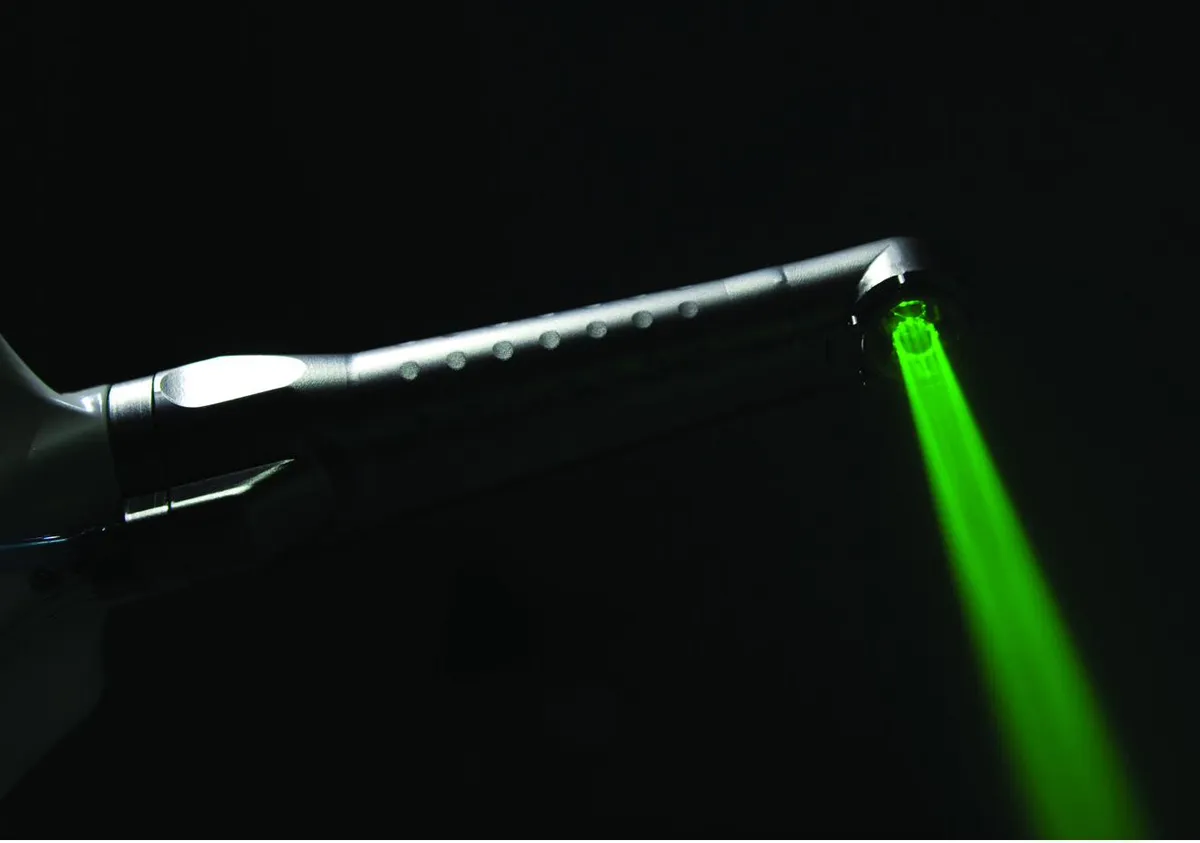 Guide light
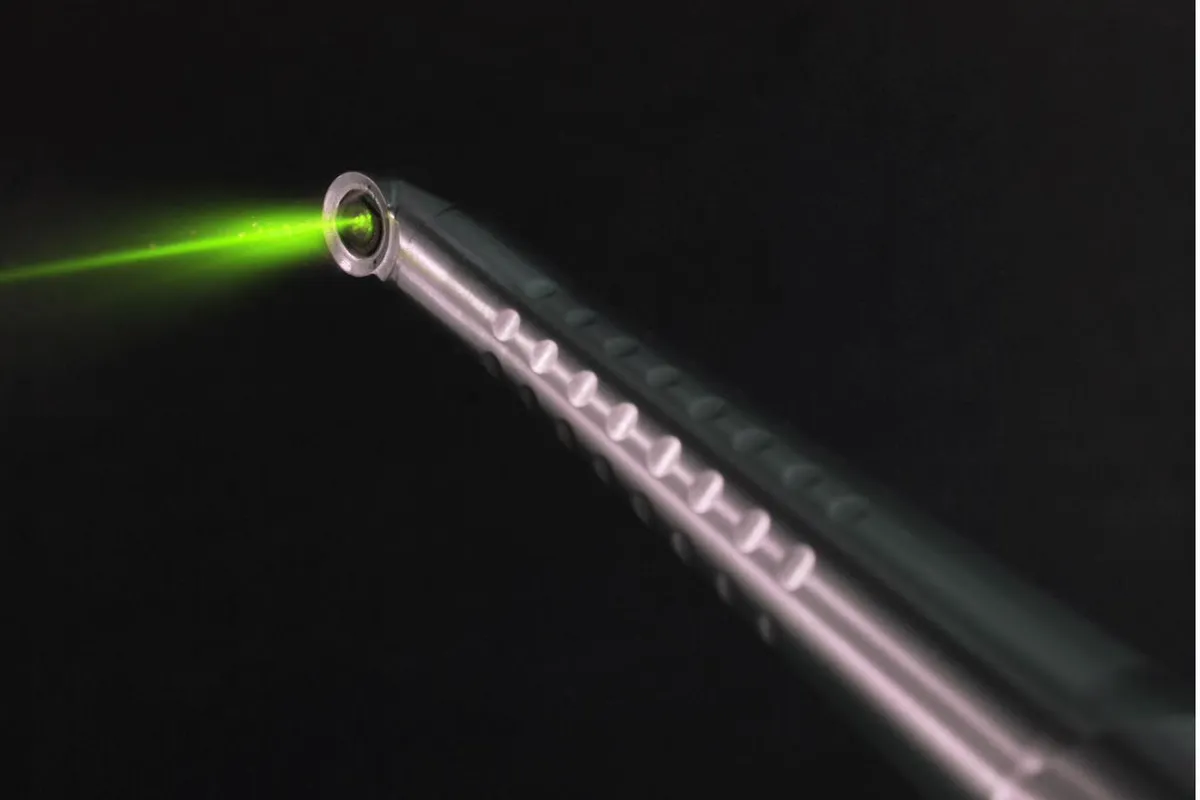 Hard-tissue laser
 Cooled with water
A porcelain veneer or all-ceramic crown is glued to your tooth with a thin layer of resin cement. Loosen that layer and the ceramic can come away.
Light from a hard-tissue laser travels through see-through ceramic and is soaked up by the cement. As the cement softens, your dentist can ease the veneer or crown off, sometimes in one piece.
The usual method is to grind through the porcelain with a drill, which can take a little tooth along with it.The laser approach is about protecting the tooth you still have.
Veneers and crowns keep their colour when natural teeth are whitened; the Better Health Channel lists them among the things that do not whiten. If you'd like your own teeth lighter before a replacement is matched, ask about professional whitening first. healthdirect (last reviewed February 2025) notes that only registered dental professionals can use whitening gels with more than 6% hydrogen peroxide, and the Dental Board of Australia puts the high-concentration line at over 18% carbamide peroxide.
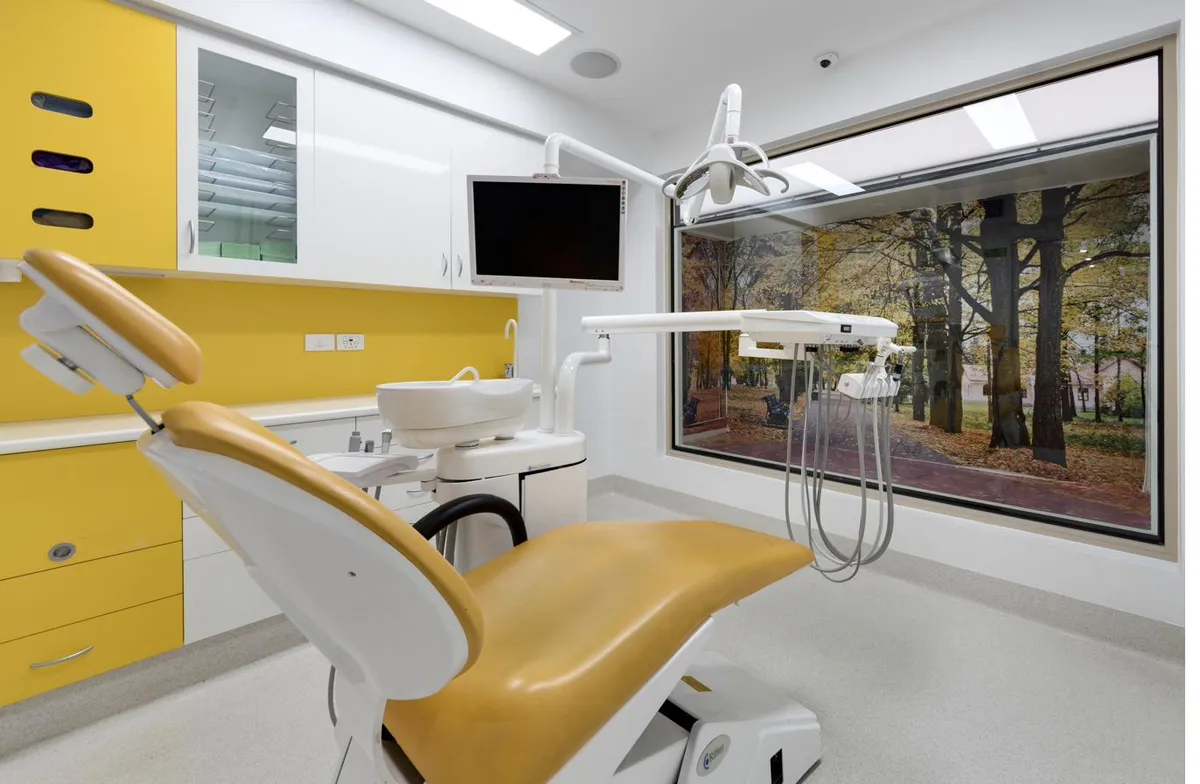
Recognise one of these? Come in for a look. We'll check your restorations, explain your choices and leave the decision with you.
The shade no longer blends with the teeth beside them, and you have started hiding your smile in photos.
The tooth underneath is fine, but the crown is damaged and has to come off before a replacement is made.
A stained or rough line has appeared where the restoration meets the tooth, a sign the seal is ageing.
You would like new veneers, but the thought of having the old ones drilled off has kept you from booking.
A veneer or crown keeps lifting even though the tooth is healthy. Taking it off gently gives the best chance of bonding it again properly.
If the noise and shaking of a drill is what worries you, a laser removes most of it from the appointment.
The laser is not cutting the porcelain. Its energy travels through and is absorbed by the cement layer that holds the restoration in place.
Dental laser handpiece
Veneers and ceramic crowns are fixed with a resin cement set by light. It can hold for many years, which is why it has to be softened before the ceramic will come away cleanly.
Porcelain veneers, lithium disilicate crowns and feldspathic ceramics are translucent to this kind of laser light. The ceramic lets it pass, and the cement below takes up the energy.
As the cement softens, your dentist checks it with a small hand instrument and lifts the veneer or crown off when it is ready. It often comes away whole.
A little cement is usually left on the tooth. It is cleaned off with hand tools and polishing rather than a drill, so the tooth stays as close as possible to how it was before the veneer was fitted.
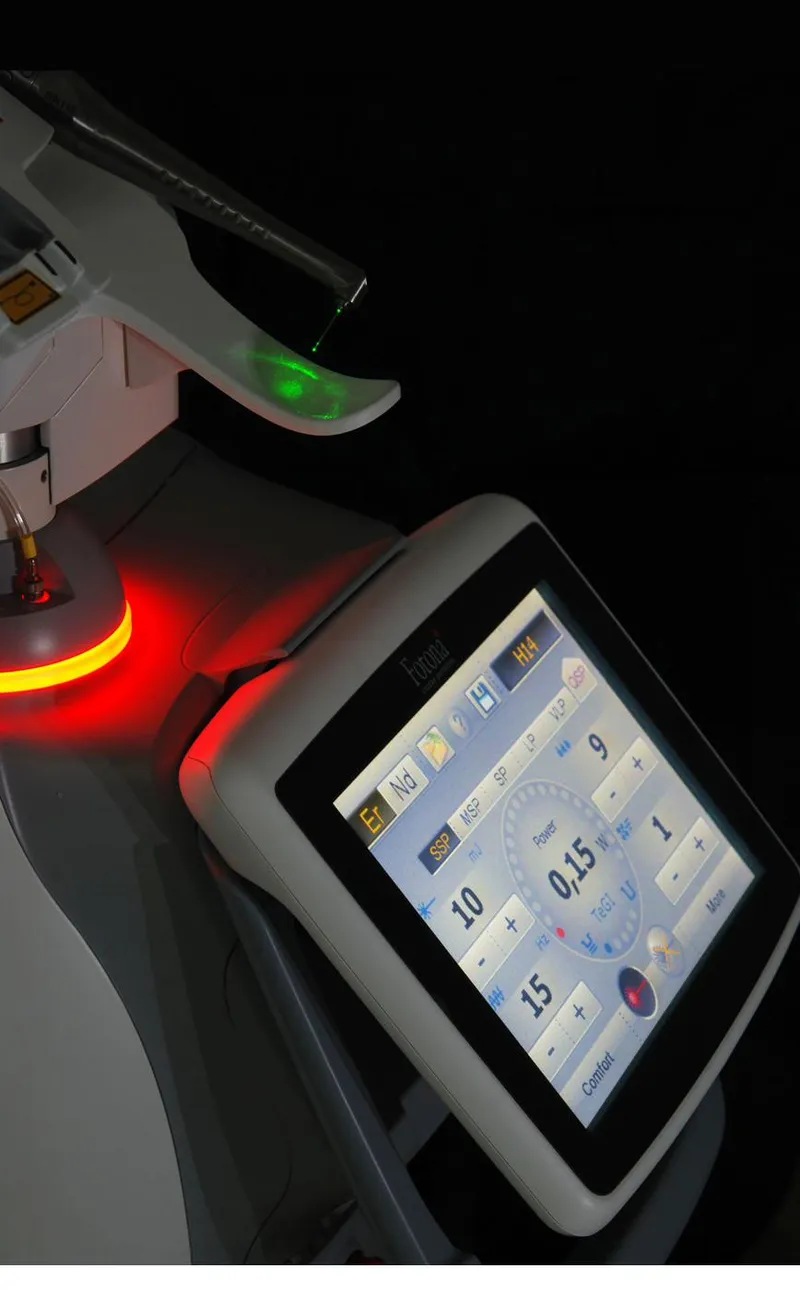 A dental laser unit
Lasers used on teeth work at set wavelengths. Debonding needs a hard-tissue wavelength that ceramic lets through and resin cement absorbs, used with a cooling water spray.
The green dot you may notice is only a guide light that shows your dentist where the laser is pointing. The treatment light itself is invisible, and water keeps the surface cool.
Our laser dentistry page lists other treatments that use lasers. Your dentist will explain how the laser will be used on your own restoration.
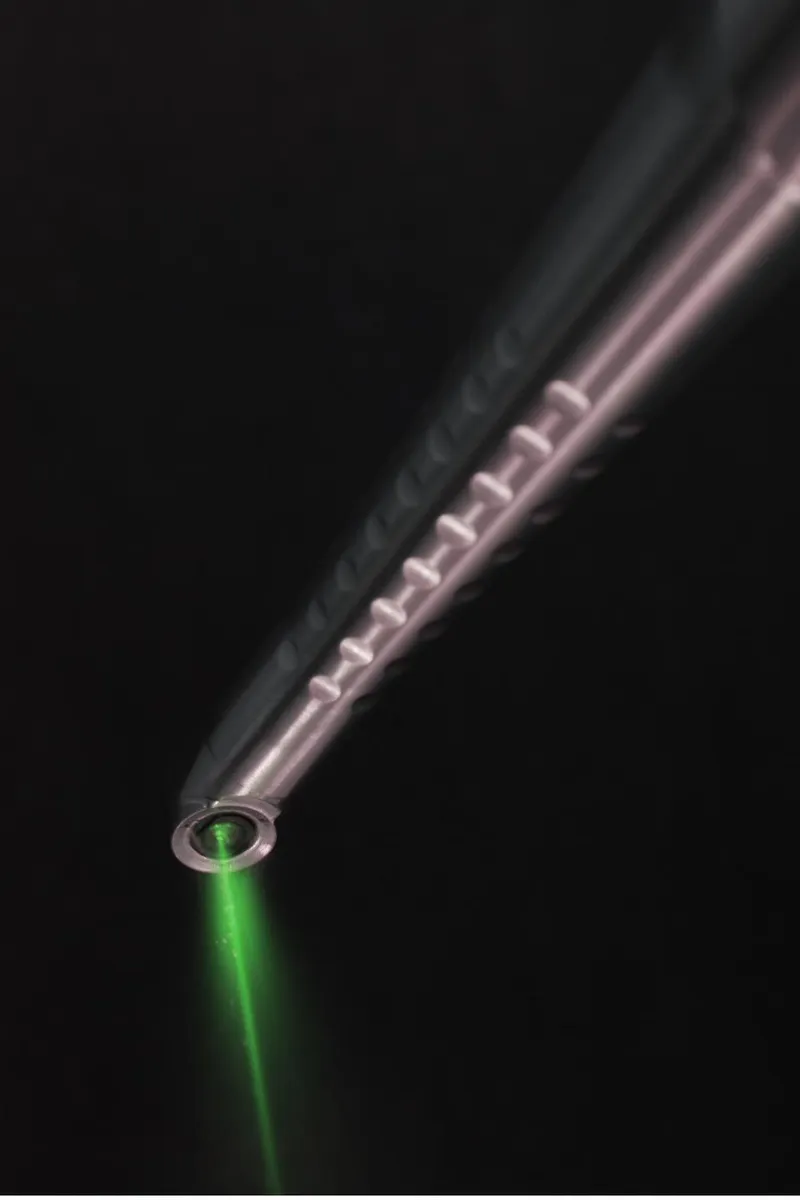
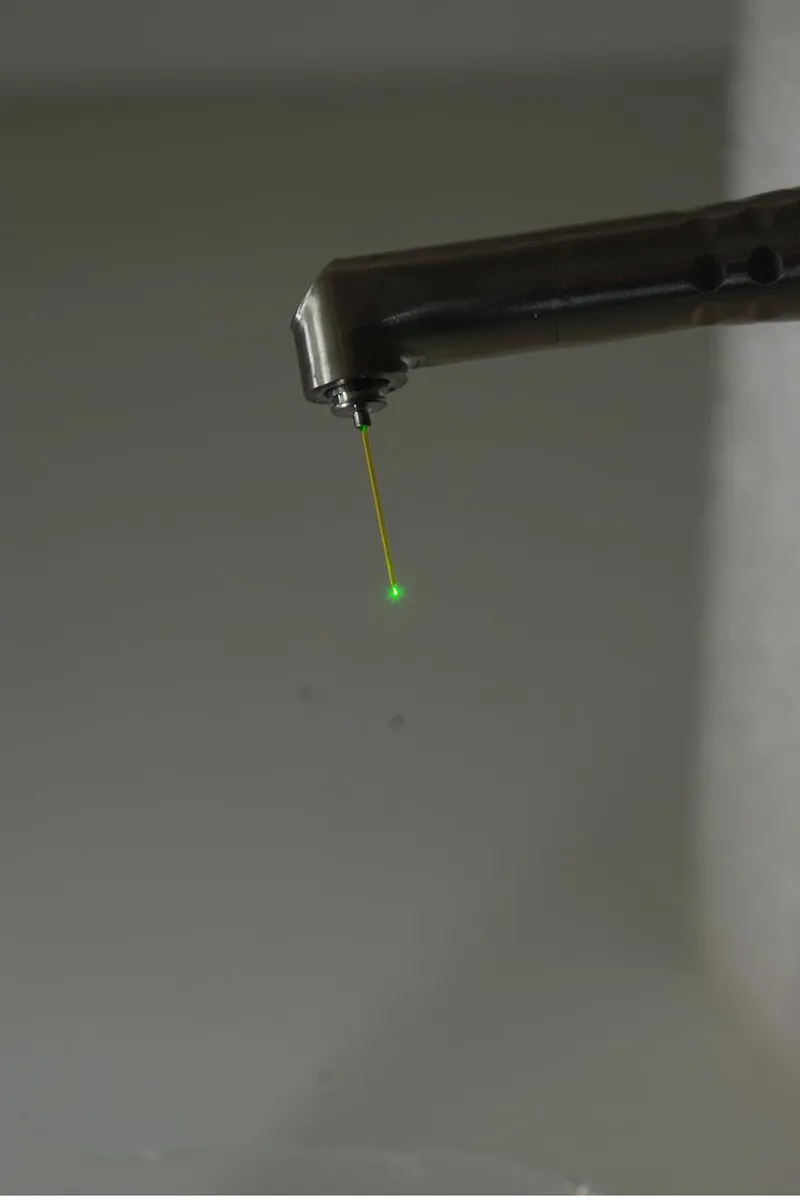
The laser part comes early in the visit. After that, it runs like any veneer or crown replacement: records of the tooth, a temporary cover and a plan for the new restoration.
Your dentist examines the restoration, takes x-rays if needed and confirms the ceramic can be released with a laser.
If new work is planned, we photograph your smile and note the shade and shape as a starting point.
You and the team wear laser safety glasses, and the tooth is kept dry and protected.
Your dentist moves the handpiece slowly across the veneer or crown. You hear a gentle popping, not a drill.
Once the cement has softened, the restoration is lifted away, often in one piece.
Leftover cement is cleaned off by hand and polished smooth.
If you are having a new veneer or crown, we take a scan or mould of the tooth.
A temporary goes on while the new one is made, and we book your fitting.
Both methods are sound, and the right one depends on the restoration. This is a general guide to how they compare.
Removing a restoration is a careful job. This is how our Point Cook team goes about it.
Laser debonding of all-ceramic restorations has been studied and described in dental research for well over a decade.
Your dentist confirms the type of ceramic and how it was bonded before suggesting a laser, so you know it is a sensible route.
Metal, gold and some zirconia work is not suited to a laser. If yours is one of those, we will tell you and explain the alternative.
The whole point is to keep as much of your natural tooth as possible under the new work.
We allow enough time in the chair for the laser work to be slow and careful, with breaks if you need them.
Taking the old restoration off is only step one. We talk through shade, shape and materials for the replacement at the same time. If porcelain is your choice again, our porcelain veneers page explains that option in more detail.
Can't see your question? Ask at your assessment or call (03) 8338 1515. There is no obligation to go ahead.
It is a way to remove porcelain veneers and all-ceramic crowns by softening the cement underneath with a laser, so the restoration can be lifted off rather than drilled away.
Drilling grinds the ceramic away, with noise, vibration and some risk to the tooth beneath. A laser targets the cement instead, so more natural tooth is likely to be kept and the visit is quieter.
Many nervous patients ask for it simply to avoid the drill.
No. It works for all-ceramic restorations such as porcelain veneers, lithium disilicate and feldspathic porcelain. Metal-based and gold crowns block the light, so they need a drill. Zirconia varies and may need a combined approach.
Your dentist will tell you which group your restoration falls into.
The aim is to leave the tooth as it was. Because the cement is softened rather than the ceramic ground off, little or no drilling is needed, and leftover cement is polished away by hand.
How the tooth looks underneath depends on how it was prepared originally, and we will show you.
The laser part for one veneer usually takes only a few minutes. With the check, clean-up, records and a temporary, allow around 60 to 90 minutes.
Often not, because the laser works on the cement rather than the tooth. If you would feel more comfortable numbed, just ask.
Sometimes, if it comes off whole and you are still happy with it. More often a new one is made, and your dentist will talk you through both options.
No. It has been described in dental research for well over a decade. Whether it suits your restoration is a clinical call that your dentist makes with you.
Magical Smiles Point Cook, 220 Point Cook Road, Point Cook VIC 3030, open Monday to Saturday, 9:00 am to 5:00 pm. Call (03) 8338 1515 or book online.
It depends on how many restorations are coming off and what replaces them. Your dentist explains the cost before treatment. We accept most health funds with on-the-spot HICAPS claims, and Afterpay, Zip Pay, Humm and SuperCare are available to eligible patients.
Ask about laser ceramic debonding at Magical Smiles Point Cook, 220 Point Cook Road. We're open Monday to Saturday, 9:00 am to 5:00 pm; call (03) 8338 1515 or book online.
220 Point Cook Road, Point Cook VIC 3030
Lasers help with more than restorations. These pages explain other options.
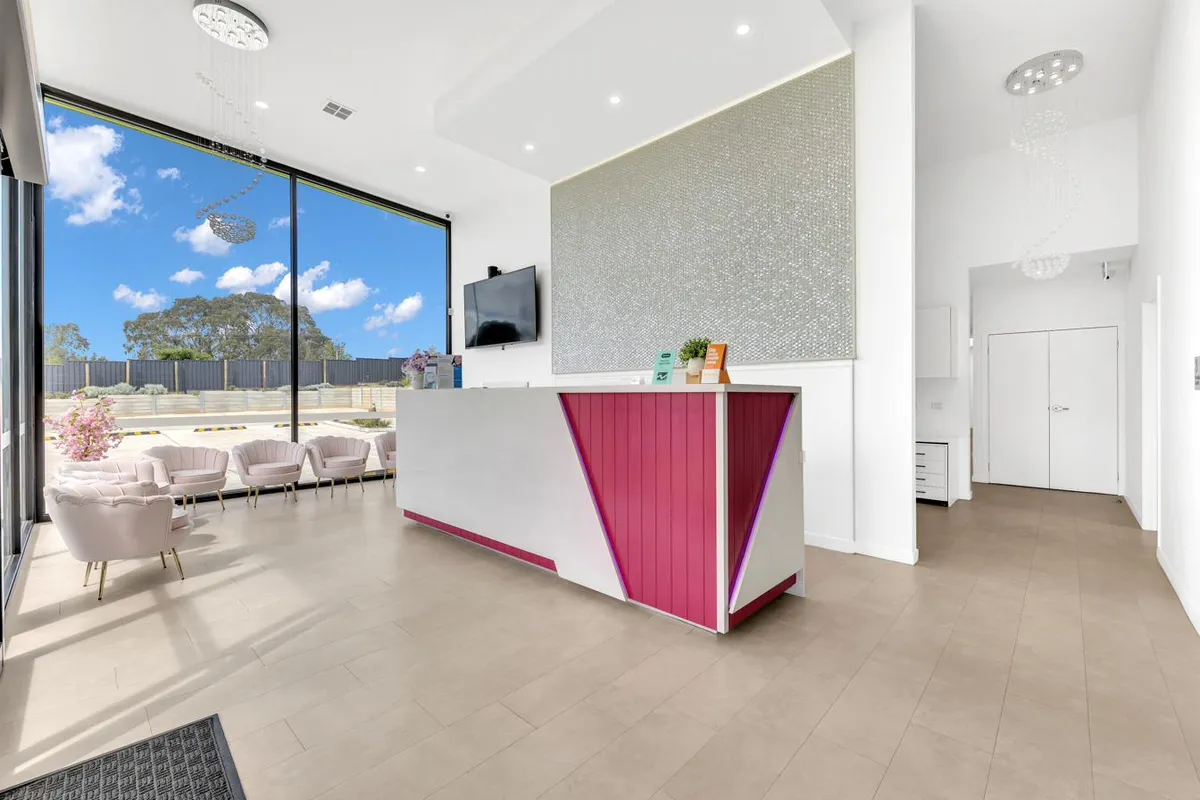
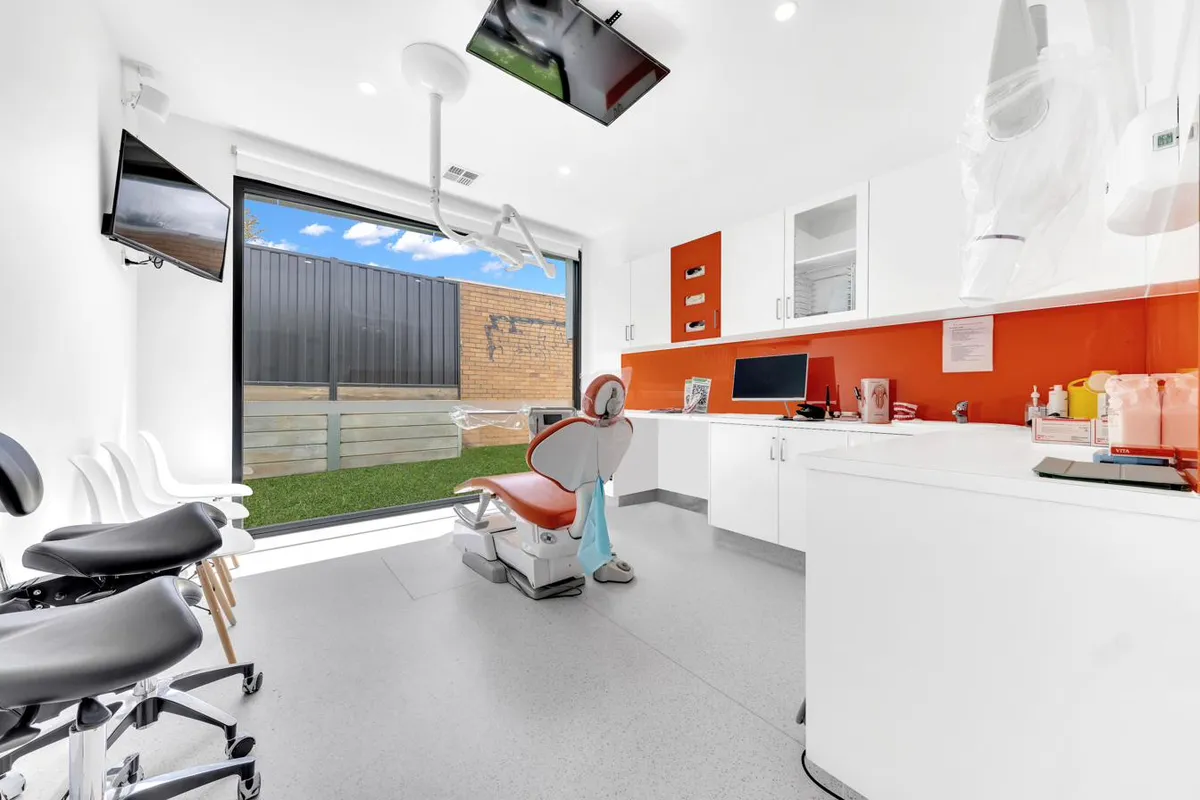
If worry about removal has stalled your plans, book an assessment at Magical Smiles Point Cook. We'll explain what suits your veneers or crowns and what doesn't, and you decide from there.