This clinic
01Point Cook
Address220 Point Cook Road, Point Cook VIC 3030
Phone(03) 8338 1515
HoursMon–Sat 9:00 am–5:00 pm

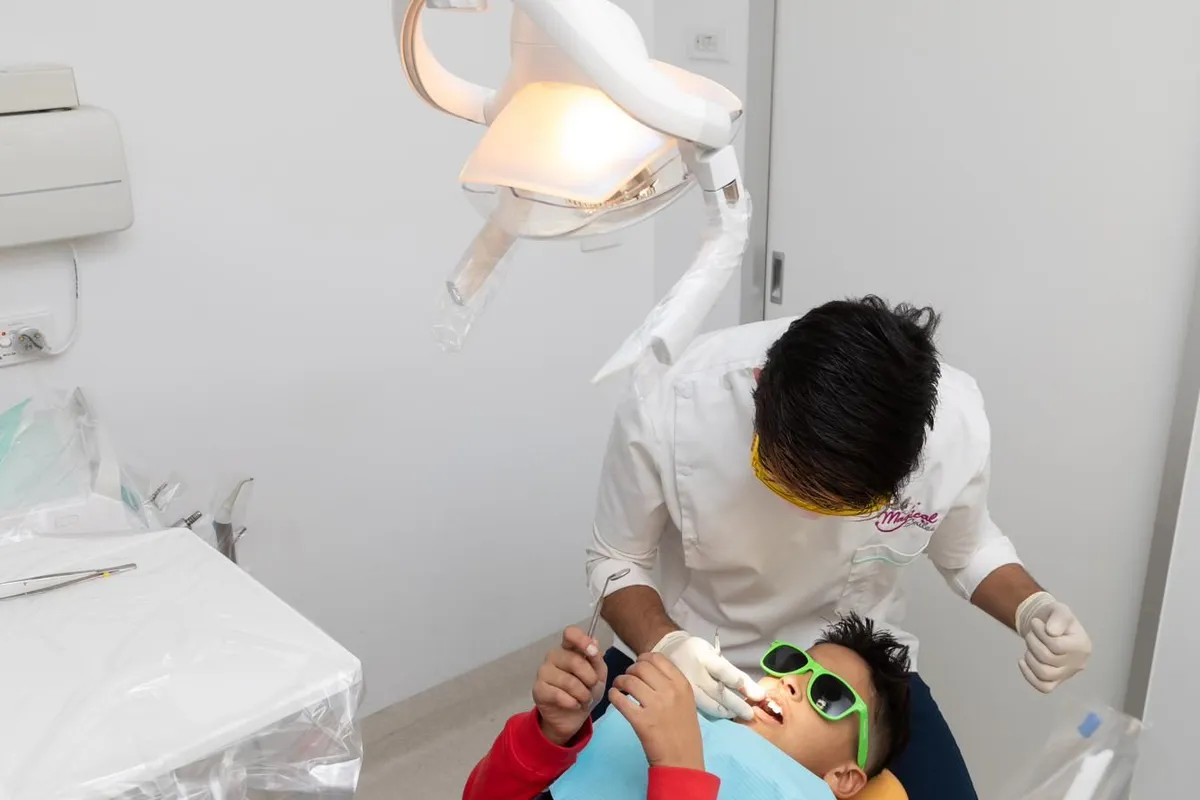
Your child's first visit to Magical Smiles Point Cook is a 30 to 45 minute introduction, not a treatment appointment. They meet the dentist, try the chair and, if they're happy, have their teeth counted while we chat with you about brushing and diet. Nervous child, or a bad experience in the past? Tell us, and we'll plan the visit around it.
Many parents keep meaning to book that first dental appointment and never quite get to it. Maybe your child is nervous, maybe you are, or maybe an earlier visit somewhere else ended in tears.
No child becomes "ready" for the dentist on a particular birthday. What makes the difference is how the first visit goes. A gentle start sets a calm pattern for years; a rushed or frightening one can take a long time to undo.
Starting early also means the first visit can be a check-up rather than a visit about a sore tooth. The Australian Institute of Health and Welfare (AIHW) says check-up visits are generally linked with better oral health than visits for a problem. Its oral health report, last updated on 6 August 2026, draws on a national study from 2012–14: around 4 in 10 (42%) Australian children aged 5–10 had already had decay in their baby teeth, and around 9 in 10 (87%) children aged 5–14 first saw a dental provider for a check-up.
So we keep it slow on purpose. There's almost no treatment involved; it's mostly an introduction. Your child meets the chair, the team and the little mirror, and decides how much happens on the day.
If it helps, read this page together beforehand. Knowing what's coming makes walking through the door much easier.
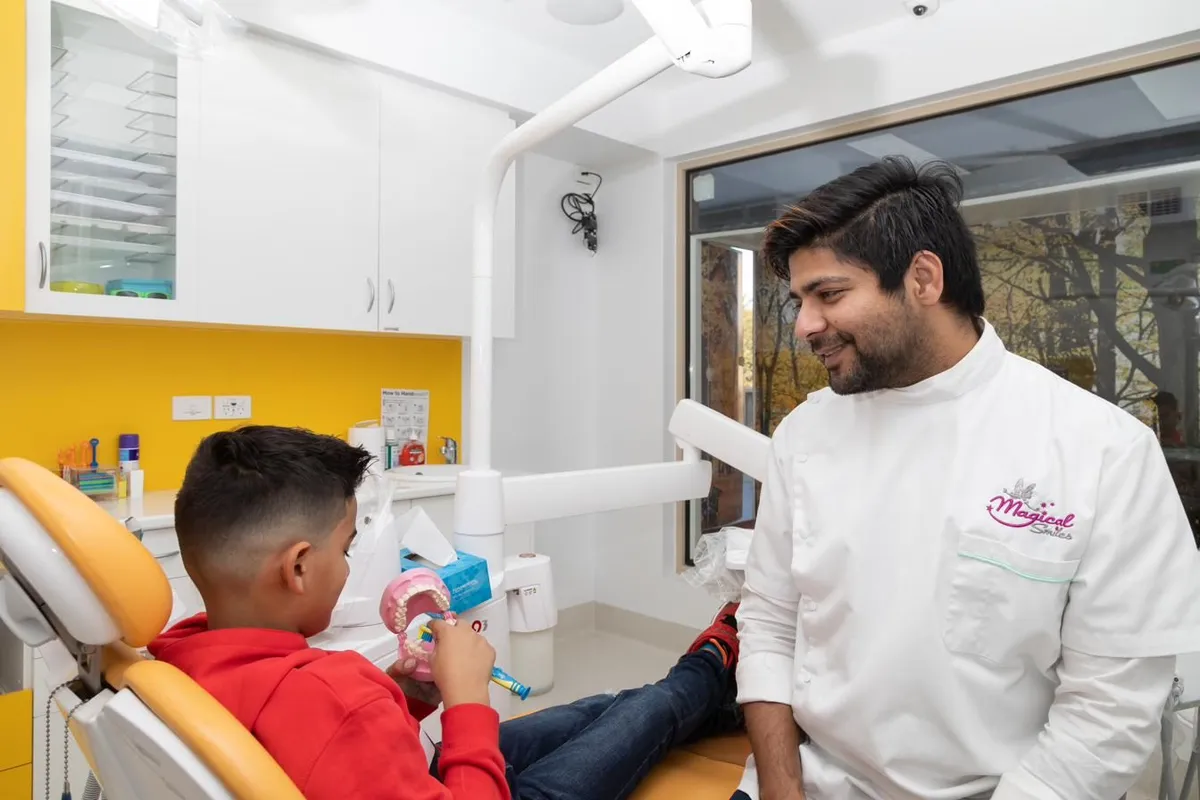
An introduction. A short appointment that belongs to your child: they meet the team, sit in the chair and take in the room. If they're comfortable, we count their teeth and chat with you about brushing, food and drinks.
It's not a treatment day, a checklist or a test your child can fail. If all that happens is sitting in the chair, the visit has done its job, and the rest can wait until next time.
A first visit takes 30 to 45 minutes. If your child isn't ready for a step, we skip it; there's always another appointment.
It's the start of our children’s dentistry care, which continues with regular check-ups and, for eligible families, bulk-billed CDBS care. Under the Child Dental Benefits Schedule, eligible children can claim up to $1,158 over two calendar years (or $1,132 if their two-year period began in 2025) for basic services such as check-ups, X-rays and cleaning.
While you check in, your child can take their time. No one hurries them through the door before they're ready.
We sit down with you both. How is your child feeling? What do they think happens at the dentist? Is anything worrying them?
Your child can look at the chair, sit in it (often with you close by) and press the button that moves it up and down. It seems small, but for a nervous child it's a big step.
We show them the mirror, the air puffer and the toothbrush we use. They can hold them, ask questions and hear what each one does. The air puffer usually gets a laugh.
If they're happy for us to look, we gently count their teeth with the mirror. No drill and no big equipment, just a careful look and a running commentary. If they'd rather wait, we wait.
Older children may be offered a gentle polish, only if they agree, and it's fine for the answer to be no.
While your child is happily occupied, we answer your questions about brushing, fluoride, snacks, thumb-sucking or anything else. No question is too small.
We finish on a high note and suggest when to come back. The goal is simple: a child who leaves feeling they had a good morning.
If new places make your child anxious, or a past appointment elsewhere went badly, please tell us, whether that's when you book, when you arrive or any time in between.
It's all normal, and we've heard it before. The more we know, the better we can plan: more time, a quieter part of the day, a different order. Sometimes that means skipping the bib; sometimes it means a parent sits in the chair first.
"Let our team know if your child is especially anxious, needs extra attention, or if this is their first visit and you'd like it to feel special." We mean it; it's how we plan every children's appointment.
You don't need weeks of preparation. One calm conversation the day before is usually enough. Here's what tends to help, and what's best left out.
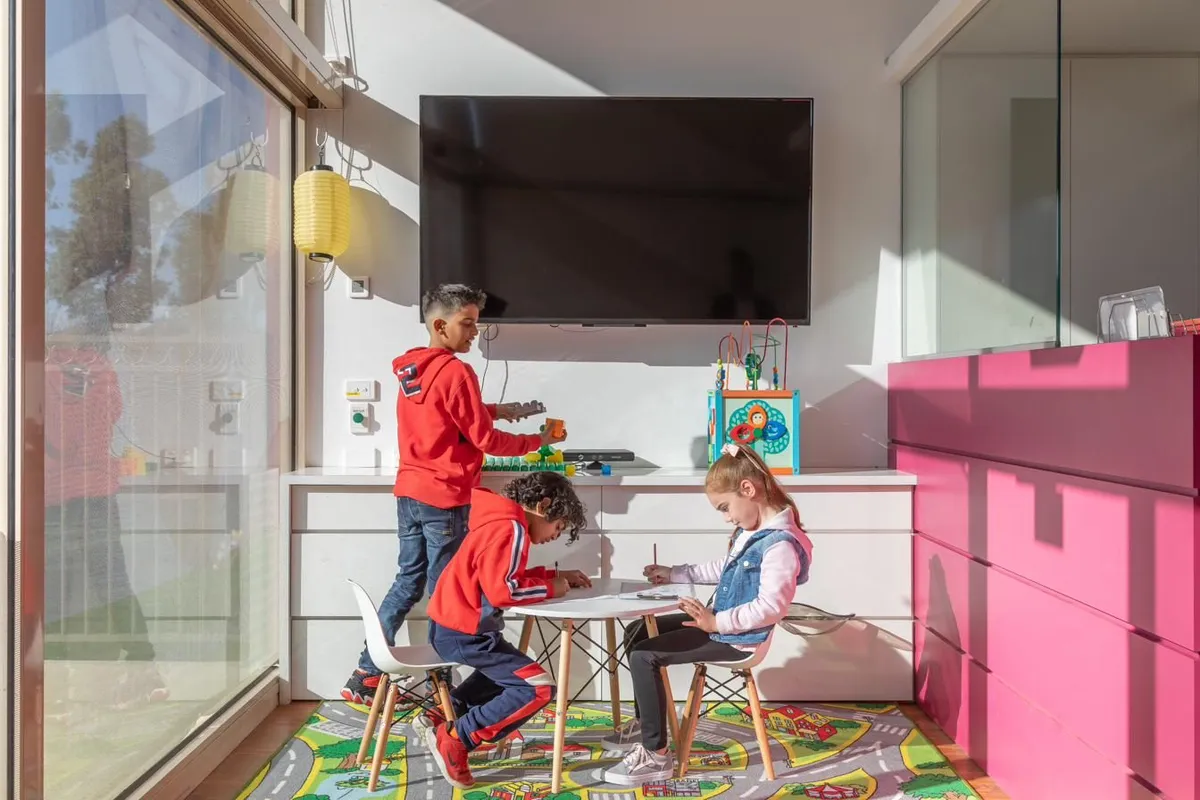
The first few minutes set the tone for the rest of the visit. Nobody is marched straight into the room. There's time to look around, watch what's happening and nod when ready.
For an anxious child, that slow start does a lot of the work. By the time we walk through together, the room isn't unfamiliar any more, and the chair is just a chair.
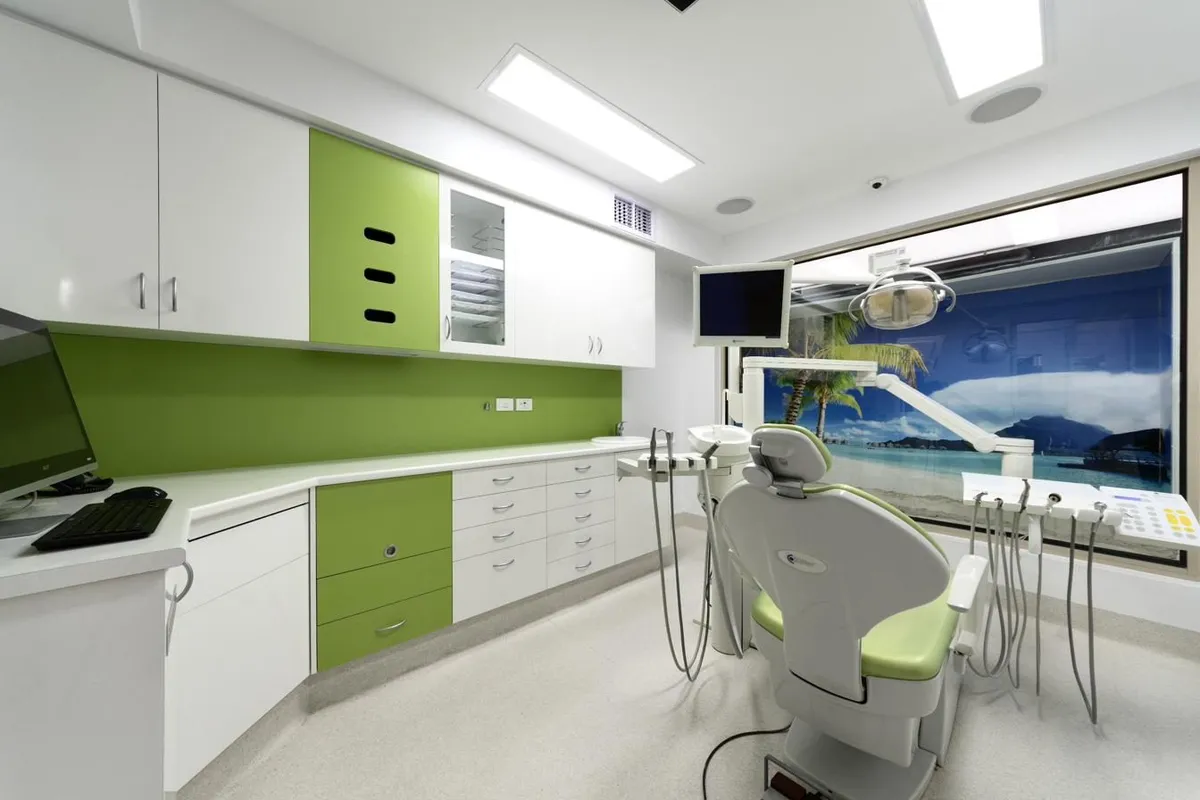
Nothing happens before it's explained, so there are no surprises. Your child is welcome to press the button that raises and lowers the chair, usually more than once.
Anxious children read the mood of a room before anything else, so we keep the whole first visit calm and unhurried.
If your child likes to know exactly what's coming, watch this short video together before the visit.
Watch it the evening before rather than the morning of the appointment. Curiosity helps more than waiting and wondering.

Magical Smiles Point Cook is led by principal dentist Dr Rachna Yadav, with Dr Amolak Deep. We welcome children who are nervous, sensory-sensitive or coming to us after a hard appointment somewhere else, and we plan a slower introduction for them.
If a quick call before booking would help, whether about anxiety, a medical condition or anything else, ring (03) 8338 1515. We'd much rather talk it through now than have a difficult appointment later.
Dr Rachna Yadav · AHPRA DEN0001046139 · Dr Amolak Deep · AHPRA DEN0002514296
Waiting another six months doesn't change much, except that your child will be six months older at their first dental visit.
When the first visit goes smoothly, the ones after it usually follow. That's why this page is written the way it is: not to push you into booking today, but to make the decision feel smaller.
When you're ready, call us or book online. We'll take it from there.
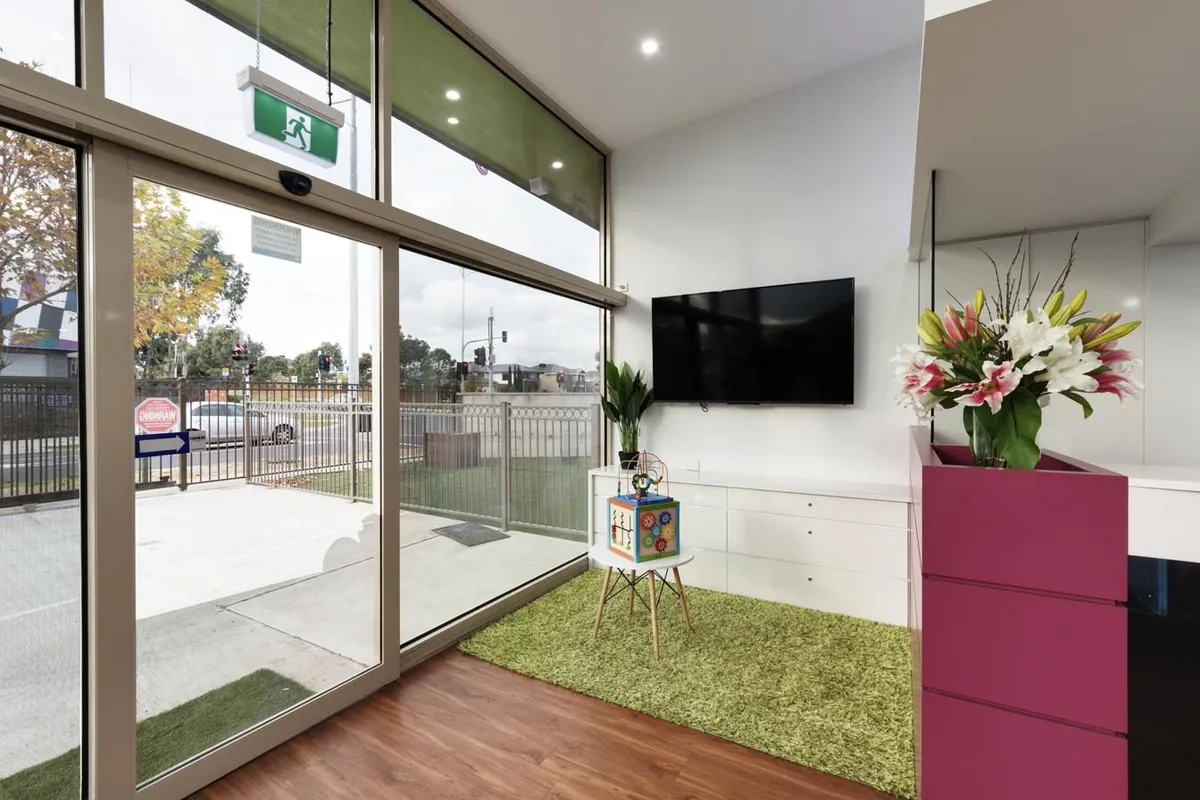
Book a first visit at Magical Smiles Point Cook whenever it suits, Monday to Saturday from 9:00 am to 5:00 pm, or call first if you'd like to talk it through. There's no pressure and no rush.