This clinic
01Point Cook
Address220 Point Cook Road, Point Cook VIC 3030
Phone(03) 8338 1515
HoursMon–Sat 9:00 am–5:00 pm

Composite bonding at Magical Smiles Point Cook uses tooth-coloured resin, shaped directly onto your tooth in the chair, to repair a chip, soften a worn edge or close a small gap. It's usually done in a single visit at 220 Point Cook Road, nothing goes to a lab, and little or none of the natural tooth is removed.
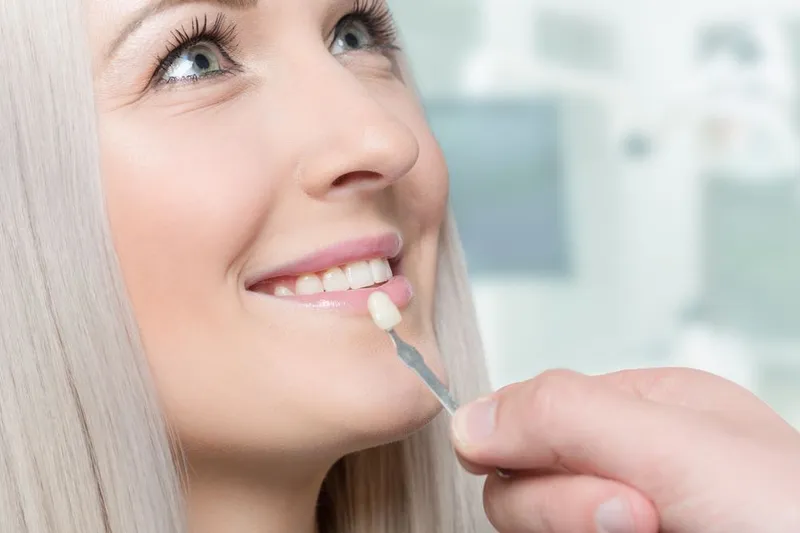
Your dentist takes a soft, tooth-coloured resin, sculpts it into the shape the tooth is missing, sets it with a curing light and polishes it smooth. For most cases that all happens in one appointment. The result is a repaired edge or surface rather than a brand-new tooth.
Much of bonding's appeal is what it leaves alone. Because material is added rather than removed, the tooth underneath mostly stays as it was, and the resin can be smoothed, repaired or built on later.
Bonding uses the same material as composite veneers; the difference is how much of the tooth's front is covered. Your dentist will tell you which one your tooth actually needs.
Small, one-off problems are where bonding shines. A single chipped front tooth. A tooth that never quite matched its neighbour. A narrow gap you've wanted to soften for years. These are quick, conservative fixes, and usually among the simpler cosmetic treatments to plan.
Bigger goals tend to point elsewhere. If many teeth need to change colour, whitening comes first. If several teeth need reshaping together, porcelain gives a more uniform, harder-wearing finish. Some plans use bonding on one tooth and porcelain on others, and that's perfectly normal.
Resin isn't indestructible, and it picks up stains over the years more readily than porcelain. That trade-off, against a lower cost and less work on the tooth, is the decision your consultation helps you make.
If you're weighing resin against a lab-made shell, our porcelain veneers page explains that option, and payment options sets out health fund claims and payment plans. Your own cost is confirmed in writing before any treatment.
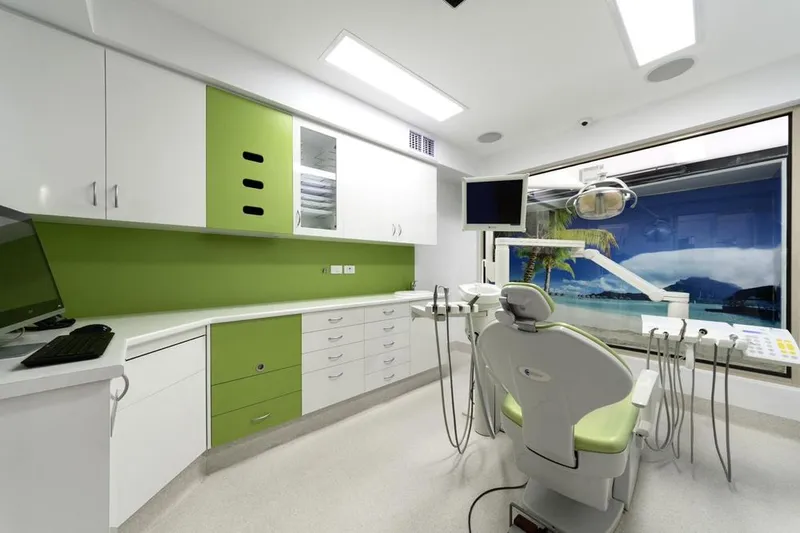
We allow enough time to shape each tooth properly.
Most bonding is done in one relaxed appointment. Your dentist will explain what to expect afterwards, including how to care for the repaired tooth while you get used to it.
Your tooth is checked properly before anything is promised. Sometimes the honest answer is a clean and polish or whitening, and bonding isn't needed at all.
The resin colour is chosen against the teeth next to the one being repaired, not against a chart on its own. Blending in is what bonding is all about.
The surface is lightly prepared and the resin goes on in thin layers. Each layer is shaped before it's set, and your bite is checked as the work builds up.
A fine polish matches the sheen of the surrounding enamel. We check the bonding at your routine visits and can re-polish it if it dulls.
Your bonding is carried out by Dr Rachna Yadav, our Principal Dentist (BDS, AHPRA DEN0001046139), or Dr Amolak Deep (AHPRA DEN0002514296).
Both are general dentists. If your tooth needs something outside general dentistry, we'll name the specialty and help you arrange the referral.
Book a consultation and point out the tooth that bothers you. Your dentist will tell you plainly whether bonding is the right fix and put the cost in writing before you decide.