You avoid photos.
A wedding, a work headshot or holiday snaps, and your teeth look darker in them than you would like.

Laser teeth whitening is a single in-chair session where a whitening gel is applied to your teeth and activated with laser light, under your dentist's supervision. At Magical Smiles Point Cook we check the cause of the discolouration first, so you know what shade change is realistic. Prefer a gradual option? Our teeth whitening page covers take-home trays too.
 Smiling freely
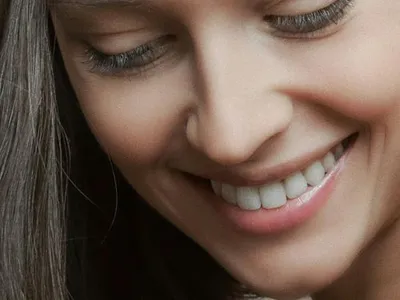 Photo-ready
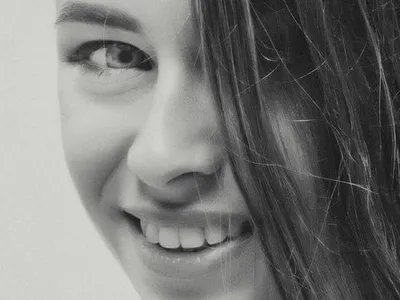 A natural lift
For most people, whitening is about feeling relaxed when they smile: in photos, at work, or laughing with friends without thinking about their teeth.
Laser whitening is in-chair whitening with laser activation. A whitening gel is painted onto your teeth and short, controlled laser pulses help the gel work. Some patients who found lamp-based whitening uncomfortable prefer it.
It will not change the colour of veneers, crowns or fillings. For suitable teeth, it can lighten your natural shade so the colour stops being something you notice.
In Australia, only registered dental professionals can use whitening gels with more than 6% hydrogen peroxide (healthdirect, last reviewed February 2025). Your dentist confirms your fee at the assessment.
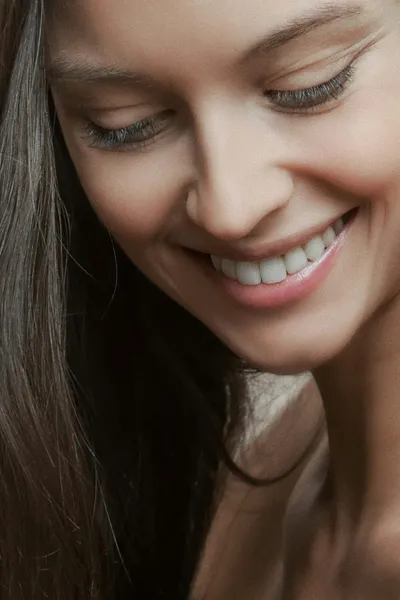
If one of these sounds like you, book an assessment. We'll check whether whitening can fix what bothers you and which method suits you best.
A wedding, a work headshot or holiday snaps, and your teeth look darker in them than you would like.
Years of everyday drinks have left stains that brushing no longer shifts.
Strips and home kits made a small difference, then stalled. You'd like a dentist to supervise it this time.
A past treatment left you wincing at cold drinks, and you want an approach that takes sensitivity into account.
A wedding, reunion, birthday or interview has given you a deadline.
If veneers or bonding are planned, whitening usually comes first so new work can be matched to your lighter shade.
The whitening itself is done by the gel. The laser's job is to help activate that gel in short bursts, rather than warming all the front teeth at once with a bright lamp.
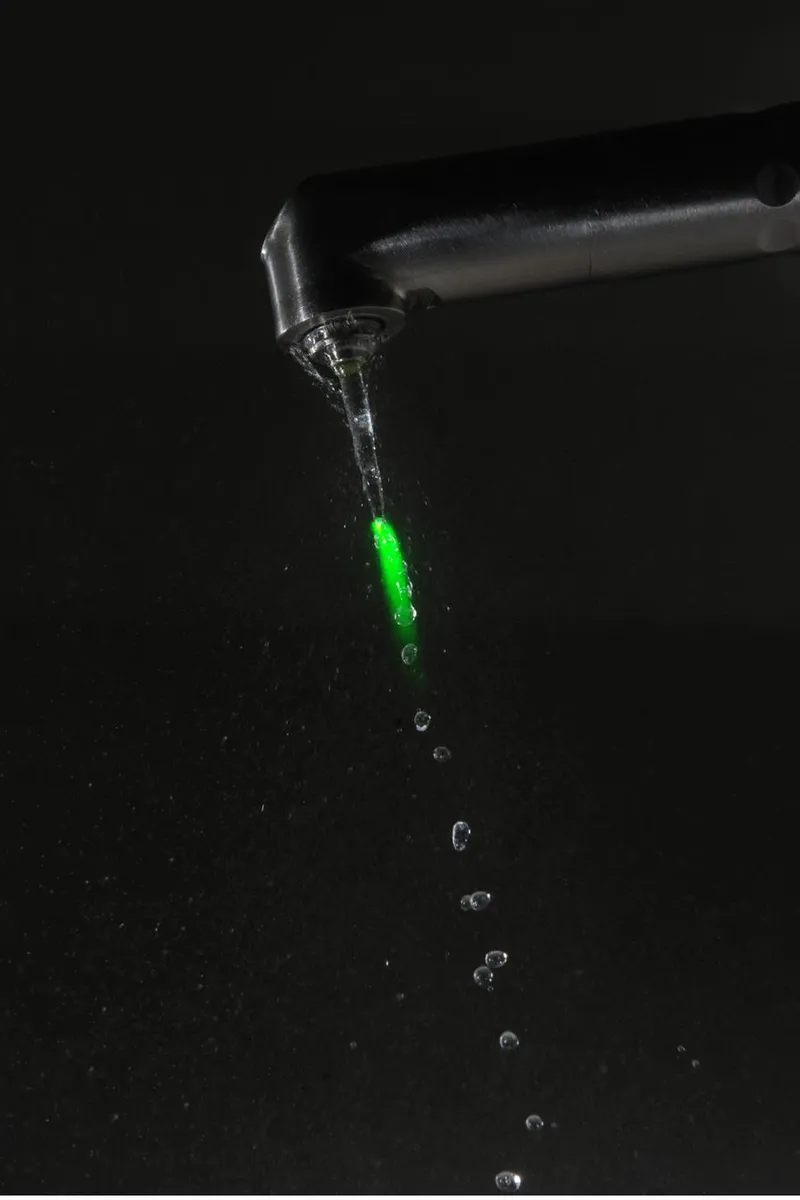 Laser handpiece
Once your gums are protected, a peroxide gel is applied to the front teeth. It breaks down the stain molecules in the enamel left by coffee, tea, wine and age.
Short, controlled laser pulses are directed at the gel to help it work, without heating the whole mouth.
A day or two of sensitivity to cold or sweet is the most common side effect of any in-chair whitening. Laser activation is more targeted, and some patients find it more comfortable.Sensitivity can still happen, and everyone responds differently.
The gel is applied and activated in several short rounds, refreshed in between, so your dentist can check your comfort and shade as the session goes.
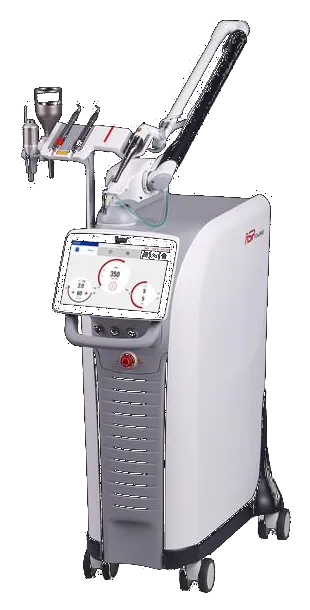 Dental laser
Lasers used in dentistry work at different wavelengths for different jobs; see our laser dentistry page for other examples. For whitening, the laser is used at settings that help activate the gel.
Your dentist runs the session and sets the laser for your teeth. You and the team wear protective glasses throughout.
You'll know what to expect before the session starts.
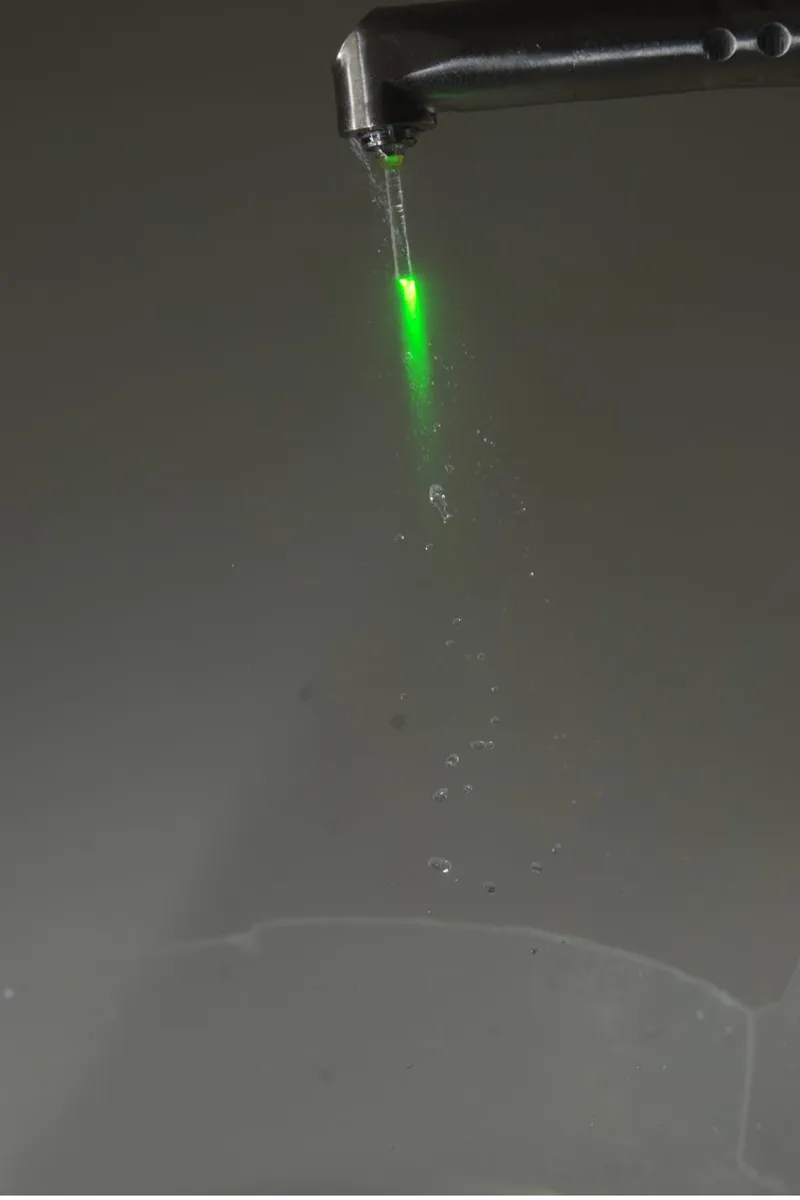
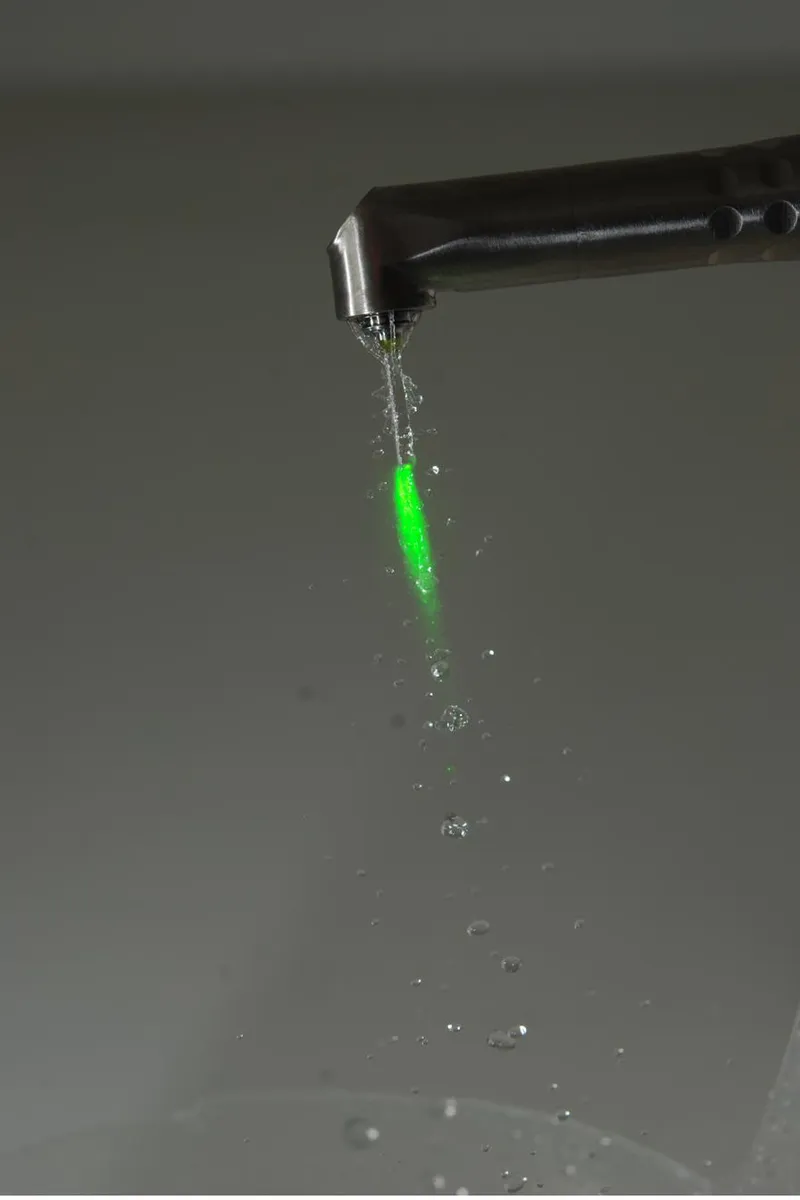
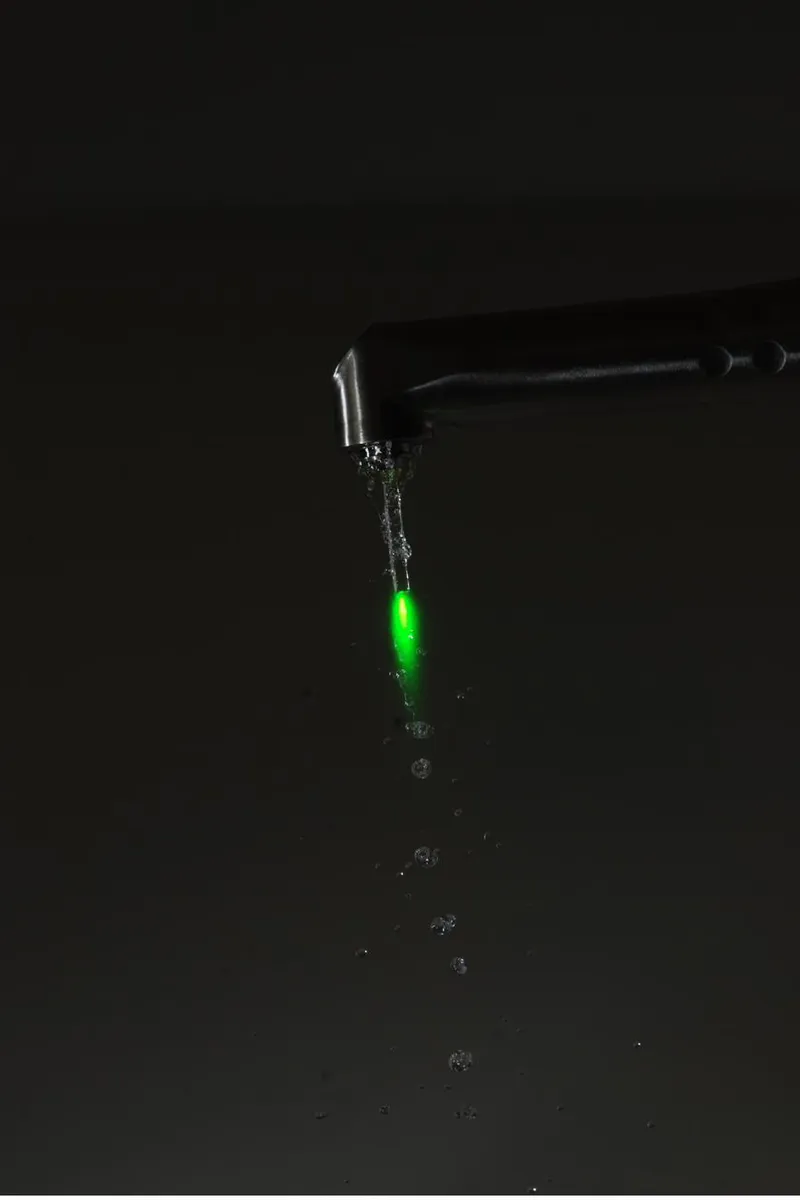
Much of the time goes into preparing and protecting your mouth. The laser part is shorter than people expect.
We check your gums, look for decay and find out what is causing the colour. Whitening only helps some types of discolouration.
Plaque, tartar and surface stains are removed at an earlier visit so the gel can reach the enamel.
Your current shade is recorded with a shade guide and photos for comparison.
A barrier covers your gums, a retractor holds your lips back, and everyone wears safety glasses.
Gel is applied and activated with the laser in short rounds, with checks on your comfort in between.
A desensitising agent can be applied at the end to help settle any sensitivity.
The gel is rinsed off and your new shade is checked against the same guide.
We explain what to eat and drink for the first couple of days and what sensitivity is normal.
No whitening method is best for everyone. This is a general comparison.
Whitening should never feel like a sales pitch. Our aim is realistic expectations and a result that suits your smile.
We find out why your teeth are discoloured before recommending whitening, because some stains won't respond.
We explain what is likely to change, what won't, and how your teeth will look next to any veneers or crowns. No result can be promised.
Tell us if whitening has bothered you before. Your history shapes the plan, and a desensitising step can finish the session.
We book enough time to apply the gel carefully and check your shade without rushing.
Your shade is recorded at the start and the end on the same guide, so you can see the change.
If veneers, composite bonding or a smile makeover are planned, your whitened shade becomes the guide for the new work.
Can't see your question? Ask at your assessment or call (03) 8338 1515. There is no obligation to go ahead.
It is professional teeth whitening done in the dental chair. A peroxide gel is applied to your teeth and activated with laser light while your dentist supervises.
Many in-chair systems shine a bright LED or halogen lamp over all the front teeth at once. A laser is aimed more precisely at the gel, keeping the gums and lips mostly out of the beam.
Some people who found lamp whitening uncomfortable prefer it. Experiences vary.
It works best on staining from food, drink and smoking, and on the natural yellowing that comes with age.
Fillings, veneers, crowns and bonding won't change colour. It is also less reliable for deep stains from certain antibiotics, severe fluorosis or a tooth that has died after an injury. We check the cause first and tell you whether whitening makes sense.
Some people feel short-lived sensitivity to cold or sweet for a day or two after any whitening.
We ask about your history first, can finish with a desensitising step and give you advice for home. See laser tooth desensitisation if sensitivity lingers.
Allow about 75 to 90 minutes. The gel and laser rounds take part of that; the rest is preparation, shade checks and aftercare.
Whitening fades over time, depending on diet, smoking and your cleaning routine.
Many people enjoy the result for a year or more before a top-up. Your dentist will give you a realistic idea.
Professional whitening is widely used and considered safe when teeth and gums are healthy and a dentist supervises.
It isn't suitable during pregnancy or breastfeeding, for children, or where there is untreated decay or gum disease, which is why we check first.
Yes. Whitening usually comes first, so any veneers, crowns or bonding added later can be matched to your new shade.
Existing veneers and crowns won't lighten, and your dentist will explain what that means for your smile.
At Magical Smiles Point Cook, 220 Point Cook Road, Point Cook VIC 3030, open Monday to Saturday, 9:00 am to 5:00 pm. Call (03) 8338 1515 or book online.
It depends on your starting point and whether take-home trays are included. Costs are explained at your assessment. Afterpay, Zip Pay, Humm and SuperCare are available to eligible patients.
Ask about laser whitening at Magical Smiles Point Cook, 220 Point Cook Road, open Monday to Saturday, 9:00 am to 5:00 pm. Call (03) 8338 1515 or book online.
220 Point Cook Road, Point Cook VIC 3030
Lasers help with more than whitening. Explore other treatments below.
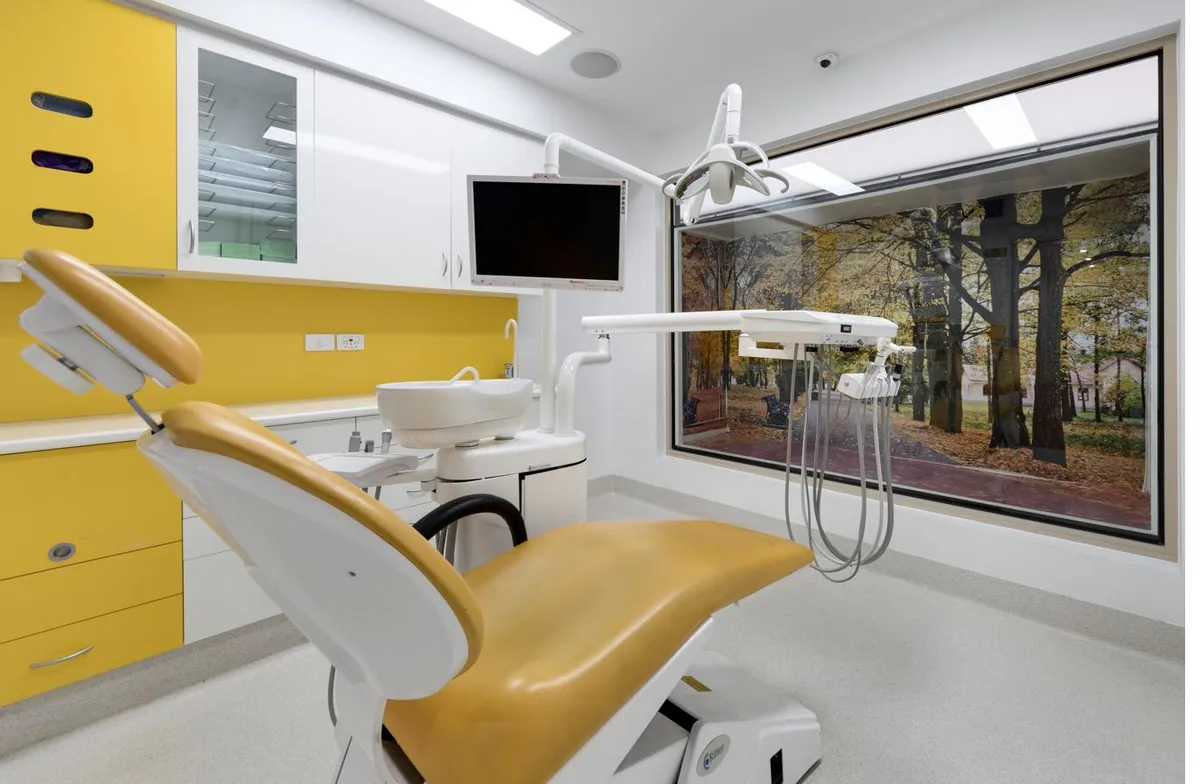
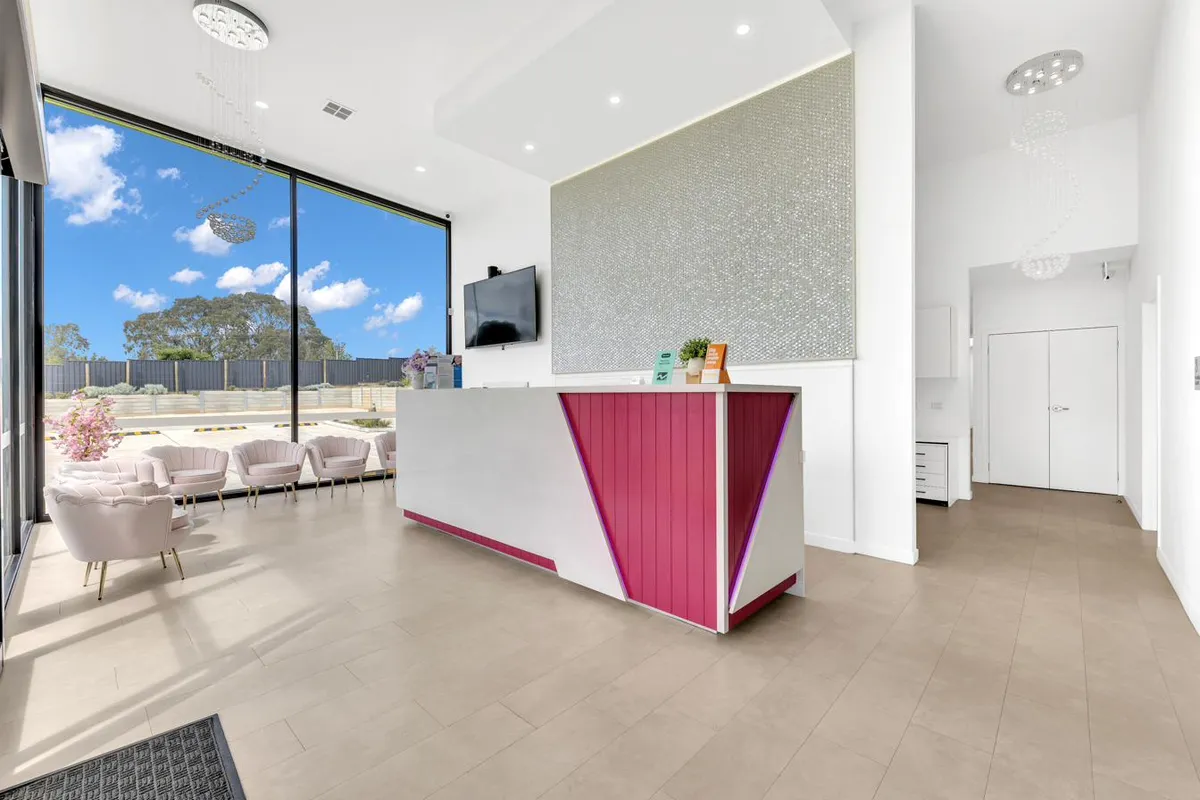
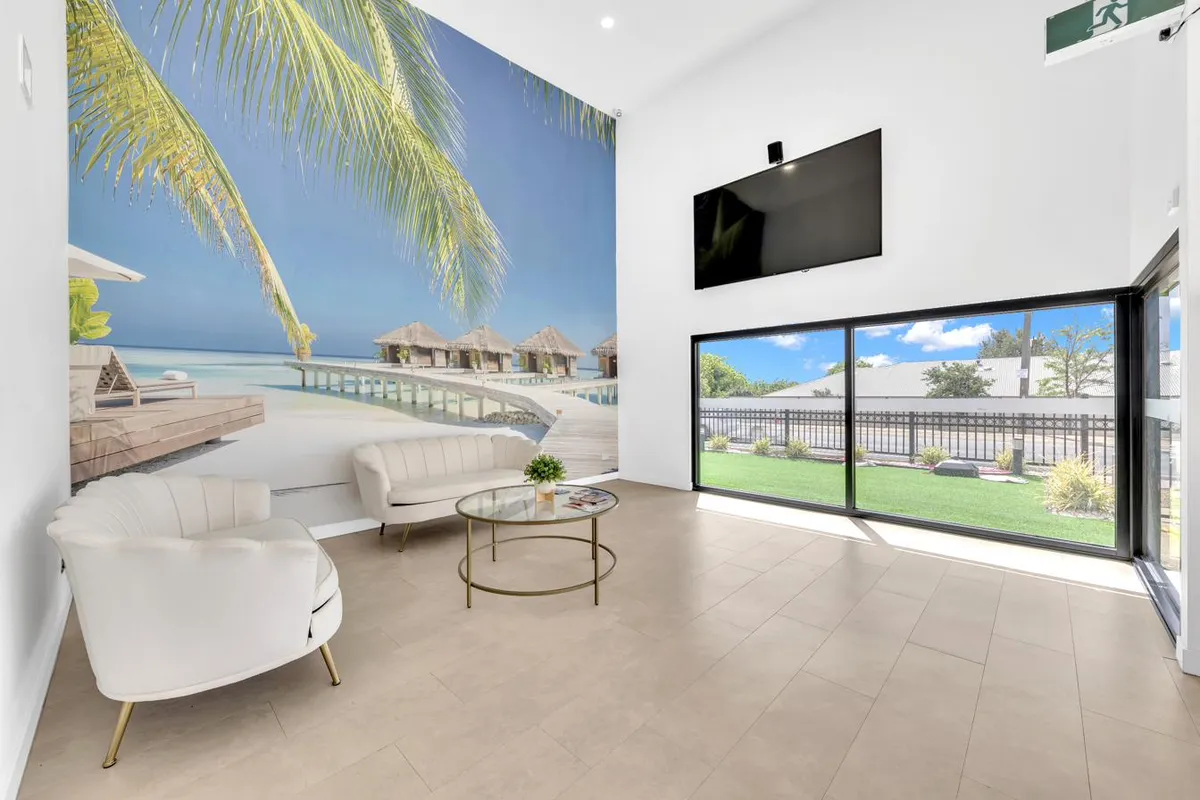
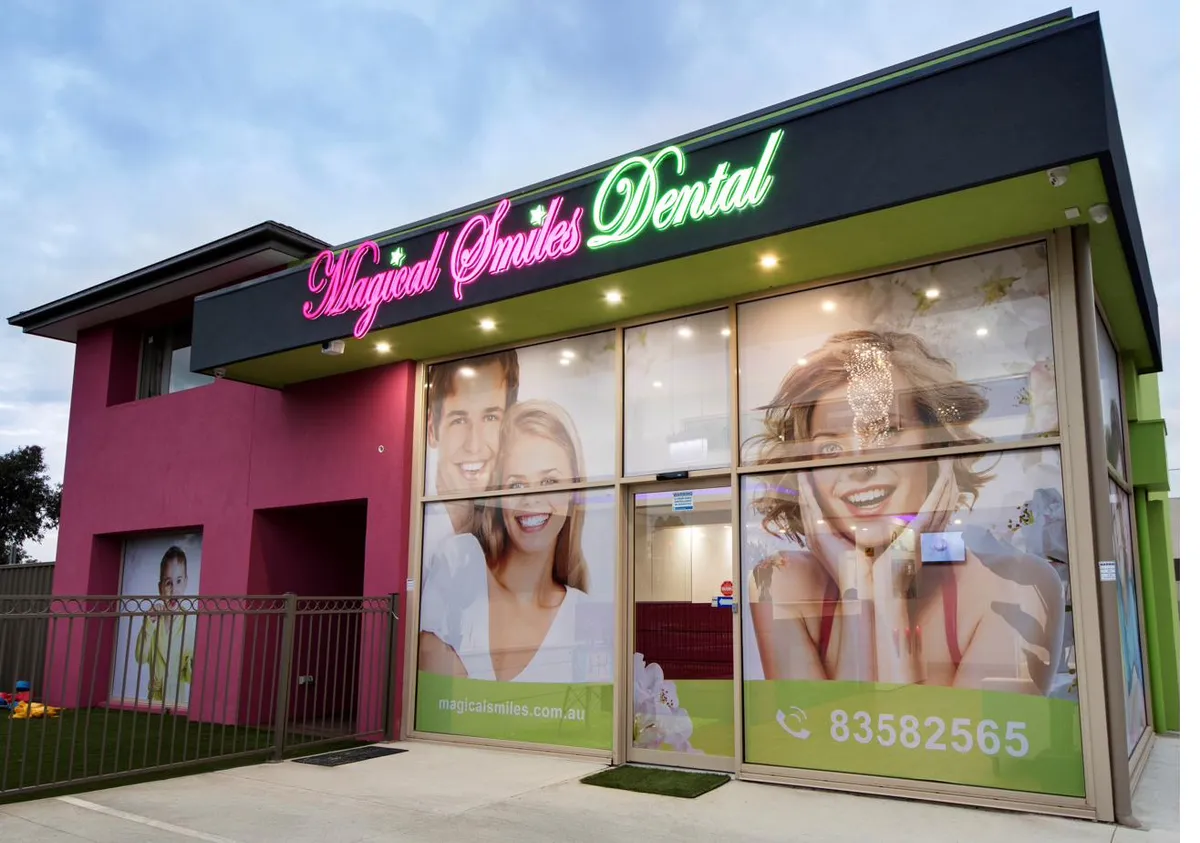
Book a whitening check at Magical Smiles Point Cook. We'll find out what is causing the discolouration, explain what whitening can and can't do, and leave the decision with you.
This page is general information and does not replace an individual assessment. Whitening results depend on your starting shade, the cause of the discolouration and how your teeth respond, and no particular result can be promised. Sensitivity can occur and is usually short-lived. Whitening isn't suitable during pregnancy or breastfeeding, for children, or for teeth with active decay or untreated gum disease. Laser dentistry is provided at Magical Smiles Point Cook, 220 Point Cook Road. Any cosmetic procedure carries risks. Before proceeding, you should seek a second opinion from an appropriately qualified health practitioner.