This clinic
01Point Cook
Address220 Point Cook Road, Point Cook VIC 3030
Phone(03) 8338 1515
HoursMon–Sat 9:00 am–5:00 pm

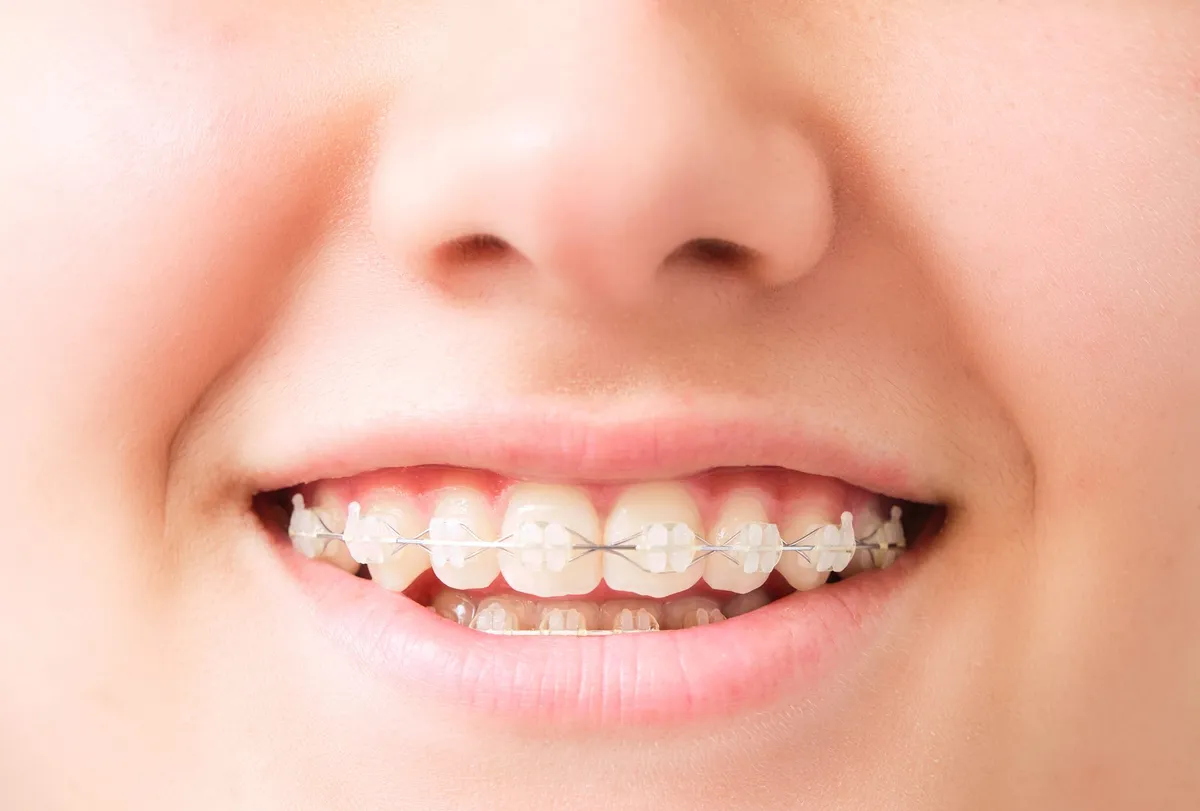
Ceramic braces are fixed braces with clear or tooth-coloured brackets, so they're far less noticeable than metal while working in exactly the same way. At Magical Smiles Point Cook we can assess whether fixed braces suit you; ask us whether ceramic brackets are currently available at our clinic. At Magical Smiles, braces start from $4,500 per arch, and ceramic usually costs more than metal. Here's how they compare, what treatment involves and what shapes the fee.
Ceramic braces move teeth the same way metal braces do. A bracket is bonded to the front of each tooth, an archwire runs through the brackets, and small adjustments at each visit guide the teeth towards their planned position. The real difference is the bracket material: instead of stainless steel, ceramic brackets are clear or tooth-coloured, so at normal talking distance they blend into your smile.
Ceramic braces are one of several ways to straighten teeth, along with metal braces, Fastbraces and clear aligners. Our Point Cook team can tell you which of these are currently available, set out the honest differences at your consultation and help you choose, without steering you towards any one option.
Because the mechanics match, the decision usually comes down to looks, comfort, care and cost:
If you'd like to keep costs down, or you play a lot of contact sport, metal braces remain a sound choice. If the look of metal is what has stopped you considering braces, ceramic is worth a closer look. And if you're deciding between fixed and removable treatment, our sister clinic's braces versus Invisalign comparison covers the bigger picture.
Ceramic braces are often considered by teens and adults who need the control of a fixed brace, for more significant crowding, rotated teeth or bite correction, but would rather it didn't stand out in photos, at work or on video calls. They can also suit people who know they wouldn't keep a removable aligner in for 20 to 22 hours a day.
Healthy gums and supporting bone come first. If your gums need attention, we'll treat that before any brackets go on, often starting with a scale and clean.
If your main goal is a less noticeable treatment, you're probably weighing ceramic braces against clear aligners. Both are discreet, but they work differently. Ceramic braces are fixed, so they keep working without you having to remember anything, and they give the dentist close control over each tooth, which can matter for rotated teeth or bite corrections. Clear aligners are removable, which makes eating and brushing simpler, but they only move teeth while they're worn for 20 to 22 hours a day.
Some people find the fixed option less stressful because there's no daily decision to make; others prefer being able to take trays out for a special occasion. At your consultation we'll tell you which approach your teeth suit, and if both would work, we'll set out the differences in fee and routine so you can choose. Our clear aligners page covers the removable side in more detail.
1. Consultation and records. We examine your teeth, gums and bite. Planning uses records such as photos and a digital scan or impressions; ask at your consultation how yours will be taken.
2. Written plan and quote. You'll see which teeth will move, an estimated timeframe and the fee in writing before anything is booked.
3. Fitting. The brackets are bonded one at a time and the first wire is placed. This visit is longer than a check-up, and your teeth may feel tender for a few days as they adjust.
4. Adjustments. Every few weeks we check progress and replace or tighten the wire. These visits are usually quicker than the fitting.
5. Removal and retainer. When your teeth reach their planned position, we remove the brackets, polish the teeth and fit a retainer. Wearing it as advised helps stop the teeth drifting back.
Braces at Magical Smiles start from $4,500 per arch, and ceramic braces usually cost more than metal. Your final fee depends on:
Nothing is booked until you've seen your fee in writing. For a rough idea of repayments, use our budget calculator. It's a guide, not a quote.
We accept most health funds, with on-the-spot claims through HICAPS. If your extras cover includes orthodontics, you can claim at the desk, and your fund can tell you how much comes back. To spread the cost, we also offer Humm, Afterpay, the National Dental Plan and SuperCare for early release of superannuation, each with its own terms and approval. Our payment options page has more. As healthdirect's guide to orthodontists, last reviewed in November 2024, points out, orthodontic costs aren't covered by Medicare, so it's worth checking with your health fund first. For a teenager, the Child Dental Benefits Schedule doesn't fund braces either: Services Australia's guidance, last updated on 1 January 2026, lists orthodontic dental work among the services it won't cover. An eligible child can still claim up to $1,158 over two calendar years (or $1,132 if their two-year period began in 2025) for check-ups, cleaning, fillings and other basic care.
Dr Rachna Yadav and Dr Amolak Deep are registered general dentists at our Point Cook clinic, not specialist orthodontists. Many straightforward to moderate cases can be managed in general practice. If your bite would be better treated by a specialist orthodontist, we'll say so plainly at your consultation.
Ceramic brackets are strong enough for a wide range of cases. Metal is the tougher material and copes better with knocks, which is one reason people who play contact sport sometimes choose it. We'll explain the trade-offs for your situation at your consultation.
The ceramic brackets themselves generally hold their colour. The small clear ties that hold the wire in place can pick up colour from coffee, tea, red wine or curry between visits, and these are usually replaced at your adjustment appointments.
Treatment time depends on how far your teeth need to move and how your bite responds. The colour of the brackets doesn't change it. We give you an estimated timeframe in your written plan after your examination.
Usually, yes. At Magical Smiles, braces start from $4,500 per arch, and ceramic brackets generally cost more than metal because of the material. If braces suit you, you'll get your exact fee in writing before treatment starts.
Please ask us before you book. Magical Smiles Point Cook, at 220 Point Cook Road, provides orthodontic consultations Monday to Saturday, 9 am to 5 pm. Call (03) 8338 1515 to check whether ceramic brackets are currently available, or book online for an assessment.
Each of these does a similar job in a different way. Which suits you depends on your bite, how your teeth sit now, your budget and how you feel about treatment being seen. Every mouth responds at its own pace, so we only discuss timeframes after examining you. Ask us which of these systems are currently available at Point Cook.
We're open Monday to Saturday, 9 am to 5 pm, and closed on Sundays. Book online or call reception and we'll find a time that works for you.