This clinic
01Point Cook
Address220 Point Cook Road, Point Cook VIC 3030
Phone(03) 8338 1515
HoursMon–Sat 9:00 am–5:00 pm

A bone graft adds material to the jaw where there isn't enough bone to hold an implant firmly. Plenty of implants never need one. If grafting has been mentioned, it usually means the site has thinned since the tooth was lost, and our Point Cook team can explain why and what it involves.
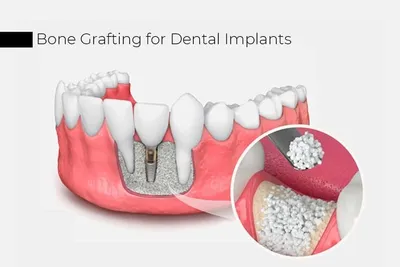
A graft restores volume where the jaw has thinned
An implant does the job of a tooth root, so it needs enough healthy bone around it to stay firm. Once a tooth is gone, the jawbone that held it no longer gets the same everyday stimulation and can slowly shrink in height and width.
Gum disease, an infection, an injury or a difficult extraction can take bone away as well. The longer a gap has been left, the more likely the site has changed.
When there isn't enough bone for the implant being planned, a graft rebuilds the area first. Your dentist will show you what the examination found at your site and whether grafting is the right way to deal with it.
These are common scenarios, not a diagnosis. Whether your own site needs a graft depends on your examination.
Whether you need a graft, how large it is and how long it takes to heal all vary from person to person.
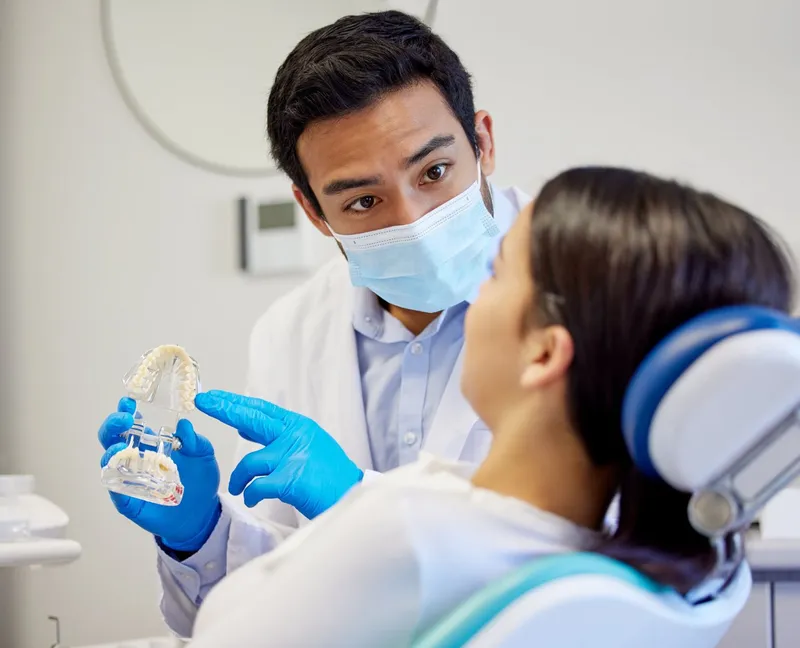
Graft material can come from a few places: a little of your own bone, usually from nearby in the mouth; processed donor bone; processed animal bone; or a synthetic substitute. Each acts as a scaffold that your body gradually replaces with its own bone.
Your dentist will tell you which material they suggest for your site and why, so you can ask questions before agreeing to anything.
Your dentist checks the site, your gums and your general health, and may take X-rays to see how much bone is there.
Under local anaesthetic the gum is opened, the graft material is placed, often under a protective membrane, and the gum is stitched closed.
Mild swelling and tenderness for a few days are common. The graft then needs time, often several months, to mature into firm bone.
Once the site has healed, the implant is placed into the new bone. With smaller grafts, graft and implant are sometimes placed together.
Ask for a written plan that sets out each stage, its fee and the alternatives.
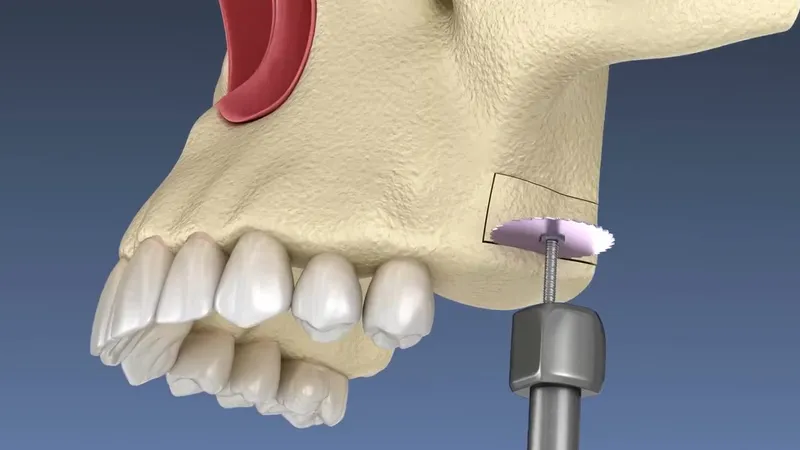
A sinus lift adds bone height under the sinus
Above the upper back teeth sits the maxillary sinus, an air space inside the cheekbone. When a molar is lost, the sinus can drop lower and leave only a thin layer of bone beneath it.
A sinus lift is a specialised graft that gently raises the sinus floor to make room for new bone. Read how a sinus lift works →
Your dentist will explain whether the sinus affects your implant plan.
Grafting fees depend on the size of the area, the material and whether it's done on its own or alongside the implant. Ask for any grafting to be itemised in your written treatment plan so you can see the full cost before deciding.
For context, a single implant with a crown starts from $5,000 at Magical Smiles, before any grafting. At Point Cook you can claim eligible health fund extras on the spot with HICAPS, or spread costs with Afterpay, Zip Pay, Humm or SuperCare.
Curious what repayments could look like? Open the repayment estimator →
Sample figures only. The estimator is not a quote, a lending offer or a credit decision.
We accept





Our Point Cook team can examine the site, explain whether grafting is needed and set out the stages and costs before you decide.
Grafting is one step in a wider plan. See how it fits with a single tooth implant, multiple tooth implants or a full-arch All-on-X bridge, or start from the dental implants overview.