Custom Veneers in Point Cook for You
Discuss veneer options to improve tooth appearance in Point Cook. Our team offers personalised treatments based on your oral health assessment and treatment goals.
Explore the Potential Benefits of Veneers
1 Veneers may be used to modify the shape, size or colour of teeth for a balanced appearance. They are a tooth-coloured option to mask chips, uneven edges, minor gaps or misalignments.
2 Porcelain veneers may be more resistant to staining from coffee, tea, and wine. With regular care, veneers may retain their appearance for a long period.
3 With regular dental visits and daily hygiene, veneers may last several years. Maintaining good oral hygiene supports both your veneers and overall smile appearance.
4 Veneers are designed to closely match surrounding teeth for a consistent look. They offer a personalised option for aesthetic dental concerns.
As with any dental procedure, veneers involve risks and may not be suitable for everyone. Your dentist will discuss these with you during your consultation, so the option aligns with your oral health and goals.
Is Veneer Treatment Right for You?
Veneers may be a suitable option for individuals seeking to change the appearance of their smile without undergoing extensive dental procedures. Below are the common reasons patients may explore this cosmetic dental option.
1 Patients with chipped, worn, or discoloured teeth resistant to whitening may consider veneers to achieve a lighter, more uniform smile.
2 Adults with small gaps or mild crowding can use veneers to make cosmetic changes to their teeth. Veneers may create the appearance of alignment and balance in one’s smile.
3 People with uneven or irregularly shaped teeth may choose veneers. Veneers can contribute to providing a more even overall look.
4 Veneers are suitable for patients with good oral health and realistic goals. Dentists assess each case to determine whether veneers are an appropriate option.
What to Know About Dental Veneers
The information below outlines key differences between porcelain and composite veneers. It also explains the risks, limitations, and important considerations involved in dental veneer treatments.
Porcelain vs. Composite Veneers
Porcelain veneers are durable, less prone to staining, and may last longer with proper care. Composite veneers are generally more affordable and involve less tooth preparation, but they may be more susceptible to wear or staining.
Both types aim to improve smile aesthetics, but suitability depends on your oral health, preferences, and the dentist’s recommendation. Discuss your goals and concerns during a consultation to determine which option closely aligns with your condition and preferences.
Risks and Limitations of Veneers
Veneers may increase tooth sensitivity and are not reversible, as some enamel is reduced during the preparation process. Chipping or detachment can still occur, especially if you clench your teeth or use them to bite hard objects.
Not all patients are suitable for veneers, particularly those with unaddressed decay or existing gum disease. Veneers may also eventually need replacement after several years, depending on your oral hygiene and maintenance habits.
All veneer procedures at Magical Smiles Point Cook are performed by Dr. Rachna Yadav (DEN0001046139) and Dr. Amolak Deep (DEN0002514296)—registered dentists with general registration.
What to Expect at Each Stage
You’ll follow a step-by-step process designed to assess, plan, and place your veneers with a focus on accuracy and care. Each appointment focuses on personalised recommendations, patient comfort, and helping maintain your overall oral health.
Initial Smile Consultation
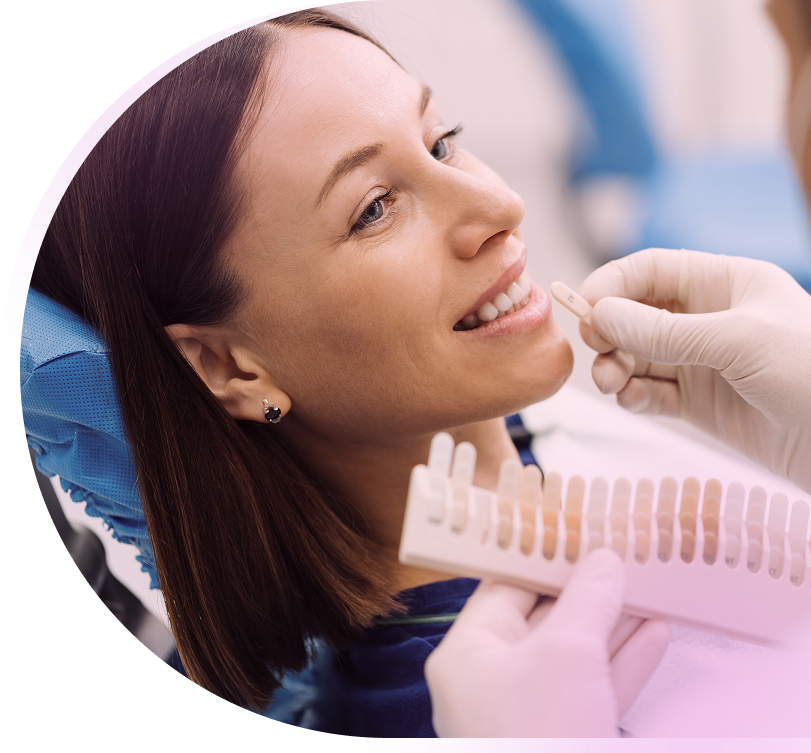
You’ll meet with a dentist who will assess your smile and discuss your concerns, preferences, and goals. We’ll examine your enamel, gum health, and bite to determine if veneers are a suitable option. Your dentist will provide personalised recommendations tailored to your oral condition.
Digital Smile Preview
Your dentist will use a Digital Smile Design to create a preview of your potential smile outcome. This technology helps plan veneer placement by aligning results with your dental structure and treatment goals. It is used for planning purposes only and does not guarantee a specific outcome.
Tooth Preparation Visit
Your dentist may reshape a small amount of enamel to prepare your teeth for veneers. We'll then take detailed impressions or digital scans to achieve a precise fit. Temporary veneers are placed to protect your teeth while custom ones are made.
Veneer Placement Day
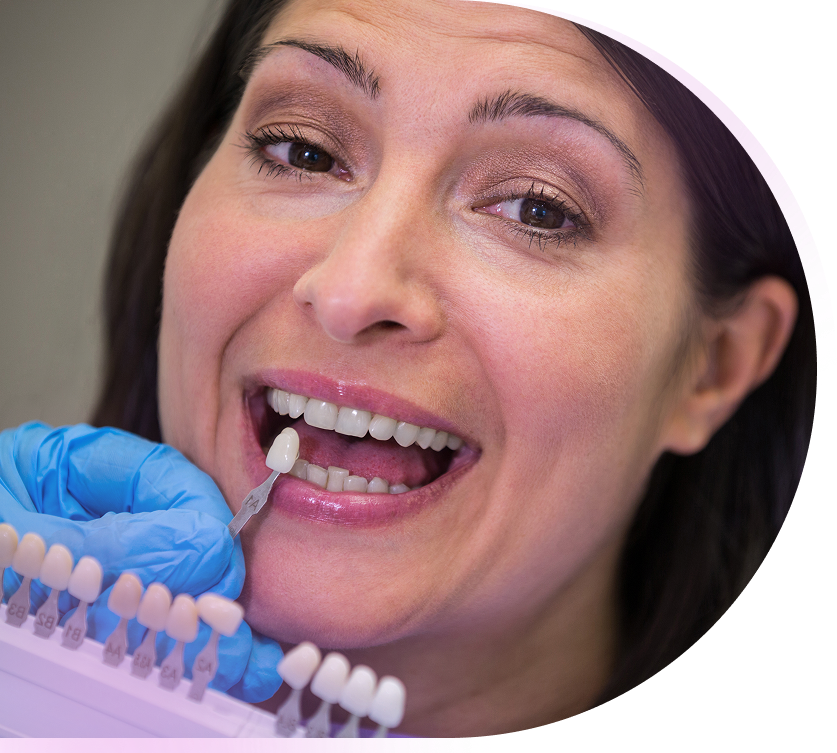
We will examine each veneer for an accurate fit and shade that matches your surrounding teeth. Your dentist will make any necessary adjustments to support comfort, fit, and appearance. The veneers are then securely bonded to your teeth using a strong dental adhesive.
Ongoing Smile Care
Maintain your veneers by brushing twice daily with a soft toothbrush and using non-abrasive fluoride toothpaste. Floss each day to prevent plaque buildup around the veneers. Visit your dentist regularly so they can check the fit, function, and overall oral condition.
Considering Veneers in Point Cook?
Dental veneers may help improve the appearance of your teeth and smile. Book a consultation in Point Cook to discuss your options with our experienced dental team.
Clinical Cases and Visual References
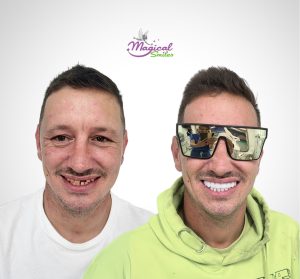
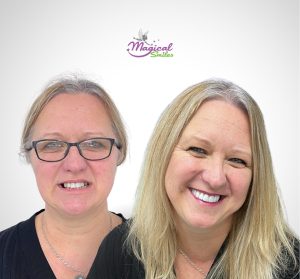
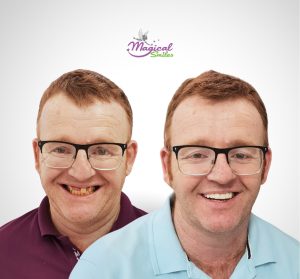
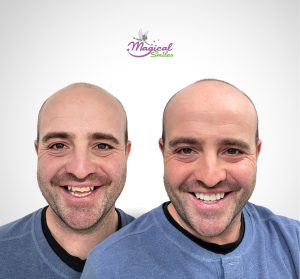
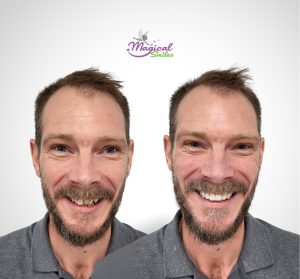
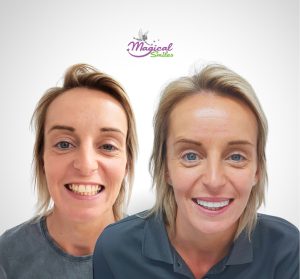
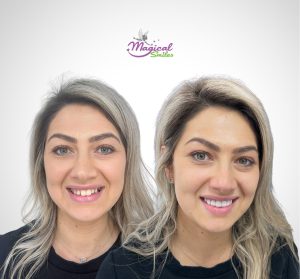
Explore images from a range of dental procedures to understand how outcomes may vary between individuals. These examples highlight how dentist-guided care plans can address specific dental concerns. They also offer a visual reference for how certain procedures may support your oral health goals.
* Images shown are of actual patients who received treatment at our clinic. Photos have not been edited or enhanced. Results vary from person to person. Not all patients are suitable for every procedure. Your dentist will assess your individual needs during a consultation.
Designed for You—Not One-Size-Fits-All
Considering veneers in Point Cook? At Magical Smiles Point Cook, we take the time to understand your unique smile goals. Your treatment is carefully planned with the intention to achieve natural-looking results that reflect your preferences.
You’re Heard, Never Rushed
We believe your smile should feel authentically yours, not one-size-fits-all. That’s why we take the time in your consultation to have open conversations about your goals, lifestyle, and expectations. We’ll listen, explore your options together, and thoughtfully plan your treatment to suit you.
Our approach prioritises clear communication and patient involvement in decisions. Whether you’re enhancing one tooth or your entire smile, we’ll be with you every step of the way. You can expect professional care, clear guidance, and personalised attention from start to finish.

Advanced Tech and Precise Planning
At Magical Smiles Point Cook, we use modern tools like Digital Smile Design and 3D scanning to preview your future smile before we even begin. This supports more precise planning and previewing of potential outcomes.
These technologies also assist in planning treatment steps that take patient comfort into account. From tooth preparation to placement, we use digital planning and guided techniques intended to improve accuracy and support a streamlined treatment process. We also offer sedation options for patients who feel anxious, with all options explained in consultation, including potential risks and limitations.

Clear Costs and Flexible Options
Clear communication is central to our approach. We’ll guide you through every aspect of your veneer journey—from materials and benefits to limitations and pricing—so you always know what to expect. We provide clear information on pricing and treatment options upfront.
To make your experience more convenient, we offer flexible payment plans and appointment times that suit your lifestyle. It’s all part of helping you feel comfortable and informed, not just about your smile but about the entire process.
Veneers Pricing Overview
This pricing guide outlines the costs of dental veneers, including both composite and porcelain veneer options. It highlights starting prices and important factors that may affect your treatment cost. Prices are indicative and may vary depending on your individual treatment needs. A consultation is required to assess suitability and provide a personalised quote.
Composite Veneers
Composite veneers are a cosmetic option that may be used to modify the shape and colour of teeth. Pricing usually includes the consultation, tooth preparation, and the application of composite resin.
Starts at$695
The price includes the initial consultation and detailed treatment planning. It also covers tooth preparation and the application of resin.
The cost varies based on the number of teeth that require veneers. Case complexity also influences the final treatment fee.
You may need maintenance or touch-ups over time. These additional procedures can influence the long-term cost of your veneers.
Porcelain Veneers
Porcelain veneer treatment typically ranges from $1,700 to $1,800 per tooth, depending on the treatment needs and case complexity. This price includes consultation, planning, and placement of a custom-crafted porcelain veneer.
Starts at$1,700
This price includes a personalised consultation and digital smile planning. It also covers custom design and the placement of porcelain veneers.
Costs may increase depending on lab fees and the number of veneers required for your treatment.
Case complexity also affects the final price. Porcelain veneers are generally more durable than composite and may last longer with proper care.

Flexible Options to Access Dental Care
Magical Smiles offers a range of flexible payment options to make dental care accessible. From health fund claims to interest-free plans, we are here to help you manage treatment costs in a way that suits your circumstances.
SuperCare (Pay With Your Super)
SuperCare can assist eligible patients in accessing their superannuation to fund dental procedures. This option may help reduce upfront costs and provide access to necessary dental services.
Common Questions From Point Cook Patients
We’ve answered some of the common questions people often ask when exploring dental veneers. This guide explains the veneer process in clear terms, helping you prepare for your consultation with realistic expectations.
What are dental veneers, and how do they work?
Dental veneers are thin, custom-made shells designed to cover the front surface of teeth to change their appearance. Here’s a breakdown of what they are and how they work:
- Dental veneers are made from porcelain or composite resin to resemble the natural colour of a patient’s teeth.
- The process begins with a consultation to assess the patient’s oral health and overall treatment goals.
- The first clinical step involves tooth preparation, in which a small amount of enamel may be reduced from the surface to make room for the veneer.
- Impressions or scans of your teeth are taken to capture their shape, size, and alignment. This information is sent to a dental laboratory, where technicians carefully create your custom veneers.
- Once ready, your dentist places the veneers on your teeth and bonds them in place using a dental cement. They will adjust each veneer so it aligns with the surrounding teeth, fits the bite, and closely matches them.
Patients considering a personalised cosmetic dental treatment may explore veneers after consulting with a qualified dental professional.
Are veneers painful to get?
It’s common to feel some uncertainty when considering cosmetic treatments, such as veneers. Many patients ask whether the process involves discomfort. Here’s what you can expect at each stage of the procedure:
During the Procedure
- Your dentist may need to reshape the front surface of your teeth to allow room for the veneers.
- A thin layer of enamel—usually less than a millimetre—is reduced using precise tools.
- A local anaesthetic may be used during this step to minimise discomfort.
- You may experience temporary tooth sensitivity before the veneers are placed, especially if multiple teeth are involved.
After the Procedure
- Once the anaesthetic wears off, it’s common to feel mild sensitivity to hot or cold drinks.
- Your gums may feel a little tender for a day or two, especially around newly placed veneers.
- Over-the-counter pain medication can usually help relieve any temporary discomfort.
- Eating soft foods for the first 24 hours may help reduce irritation.
- Any lingering sensitivity usually subsides within a few days as your mouth adjusts.
While the veneer process is generally well-tolerated, individual experiences may vary. Your dentist will guide you through each stage and adjust your care based on your needs.
How long do veneers last?
Patients considering cosmetic dentistry in Point Cook, such as veneers, should be aware that their longevity depends on individual factors. Material choice and daily oral care habits significantly influence the longevity and appearance of veneers. Here’s a detailed look at what influences how long veneers last:
- Type of Material Matters:
Porcelain veneers are known for their durability when properly maintained. Composite resin veneers may require earlier replacement depending on care and lifestyle habits. - Oral Hygiene Plays a Role:
Brushing twice a day and flossing daily helps maintain the health of your teeth and veneers. - Everyday Habits Have an Impact:
Chewing hard objects, such as pens or ice, can chip or crack your veneers over time. Grinding your teeth may also cause damage. - Professional Care Makes a Difference:
Visit your dentist regularly for checkups and professional cleaning to help identify any concerns around your veneers early.
If you’re considering veneers, a smile design consultation in Point Cook helps patients understand if they’re suitable for their needs. It provides an opportunity to discuss aesthetic goals, oral health, and what to expect from veneer treatment.
How much do veneers cost in Point Cook?
If you’re considering porcelain veneers in Point Cook, several factors can influence the total cost of your treatment. Understanding these factors helps you choose the right treatment approach before starting your cosmetic dental treatment. The costs can vary depending on the type of veneer, the complexity of the case, and the clinic you choose. Here’s a breakdown of what can impact the cost of dental veneers:
- Type of Veneer Material:
The type of veneer material used plays a significant role in determining the price. As a general guide, composite resin veneers typically cost $695 per tooth, depending on the case. They may be a lower-cost option for patients seeking a cosmetic change with minimal tooth preparation. In contrast, porcelain veneers are generally more durable and stain-resistant, with prices typically ranging from $1,700 to $1,800 per tooth. - Number of Veneers Needed:
The more veneers you require, the higher the overall cost will be. Some people choose to address only the most visible teeth, while others may opt for a more comprehensive aesthetic enhancement. The total cost adds up per tooth, so enhancing six or eight teeth will be more expensive than just two. - Complexity of Your Treatment:
Each patient’s dental condition can affect the amount of preparation required. Preliminary procedures before veneers can increase the total cost due to the additional planning and clinical time involved. - Experience of the Dentist:
A dentist’s training and experience in cosmetic procedures may influence pricing. Those with experience in cosmetic procedures may use techniques appropriate to each patient’s needs. They may also select high-quality materials, which can influence the overall cost of your treatment. - Dental Clinic Location and Technology:
Dental clinics in Point Cook, equipped with modern equipment and digital design tools, may have higher fees. Clinics that use digital imaging and personalised veneer design may include these features in the overall treatment cost.
Dental veneers cost in Point Cook can vary depending on the patient’s goals and the type of material used. The dental clinic’s location and your dentist’s experience can also influence the final cost of your veneers. Prices are indicative only and may vary depending on individual treatment needs. It’s always recommended to book a consultation to receive a personalised quote tailored to your smile.
Are veneers covered by private health funds?
Health funds may offer some cover for veneers if the treatment is deemed medically necessary rather than purely cosmetic. Each policy differs, so it’s essential to verify your specific level of cover with your provider. Some plans may include partial benefits for dental items under major dental services. Patients seeking composite veneers in Point Cook should check with their health fund if veneers are covered under their plan.
Most standard health fund policies don’t include cover for veneers when they’re done purely for cosmetic reasons. However, if veneers are used to restore tooth structure following damage or wear, some support may be applied. A consultation helps determine if your case meets the eligibility criteria under your fund’s guidelines. Always ask for item numbers to check what may be claimable under your plan.
Can you eat with veneers?
Many people wonder whether veneers affect their eating habits, especially after investing in their smiles. They want comfort and function maintained. The following outlines what to expect when it comes to eating with veneers:
- You Can Eat Most Foods with Veneers:
Once veneers are bonded properly, they function much like natural teeth, allowing you to enjoy most everyday foods without discomfort. - Avoid Hard or Crunchy Foods Early On:
Your dentist may recommend avoiding very hard foods, such as nuts or ice, a few weeks after placement. This helps reduce pressure and the chances of damaging your veneers. - Use Caution with Sticky or Chewy Foods:
Sticky foods, such as caramel or toffee, can place additional stress on veneers and should be eaten with caution. Over time, this added pressure may increase the risk of the veneer becoming loose or damaged. - Cut Food into Smaller Pieces:
Biting directly into hard foods like apples or raw carrots can place unnecessary pressure on your veneers. Cut them into smaller pieces instead to facilitate chewing.
With proper care and a few mindful eating habits, veneers can help maintain normal function when eating. If you have specific dietary concerns or habits, it’s always recommended to speak directly with your dentist for tailored advice.
What happens to your teeth under veneers?
If you’re considering dental veneers, it’s important to understand how they affect your natural teeth beneath the surface. Below is a breakdown of what happens to your teeth under veneers:
- Minimal Enamel Removal for Veneers:
Your dentist will shave off a thin layer of enamel from the front surface of your teeth. This helps create space for veneers. - Tooth Structure Remains Intact:
Your dentist preserves most of your tooth’s natural structure during veneer preparation. Veneers sit on the front surface without altering the core. - Veneers Are Bonded with Dental Cement:
Your dentist uses a high-strength dental cement to attach the veneer securely to your tooth’s enamel. This cement helps reinforce the veneer’s position and maintain a stable fit over time. - Natural Teeth Are Still Vulnerable to Decay:
Veneers cover only the front of the teeth, leaving the back and sides exposed to potential plaque buildup. Decay may still develop in uncovered areas if you don’t maintain a consistent and thorough daily oral hygiene routine. - Prepared Teeth Require Ongoing Coverage:
Once enamel is trimmed, the underlying tooth surface will always need to remain covered—either with a veneer or another form of dental restoration. This protection helps reduce sensitivity and prevent wear or damage to the exposed enamel layer.
Understanding these changes helps you decide whether veneers align with your dental goals and long-term oral health needs. Always consult with your dentist for personalised advice.
Can veneers stain over time?
Veneers can be made from stain-resistant materials like porcelain, but that doesn’t make them completely immune to discolouration. The bonding material used beneath the veneer can sometimes become stained, which affects its appearance. Staining may also occur around the edges if the veneers are not properly maintained over time. Regular dental checkups help identify early changes and maintain their appearance.
Lifestyle habits such as drinking dark-coloured beverages like tea, red wine, or coffee can contribute to surface discolouration around veneers. Smoking may also affect the surrounding natural tooth structure, which can impact the overall appearance of the teeth. While veneers are durable, maintaining good oral hygiene and regular dental checkups remains important.
Can you get cavities with veneers?
Yes, you can still develop cavities even if you have veneers. While veneers enhance the appearance of your teeth, they don’t make them resistant to tooth decay. Below are specific reasons why cavities can still occur:
- Veneers Only Cover the Front Surface of Teeth:
Veneers are thin shells that bond to the front of your teeth to improve their appearance. The back and sides of the tooth stay exposed, leaving them vulnerable to decay and plaque buildup. - Poor Oral Hygiene Can Still Lead to Decay:
Bacteria can build up around the edges of veneers if brushing and flossing habits are inconsistent or ineffective. This buildup near the gumline can lead to cavities in the natural tooth structure underneath the veneer. - Diet and Sugar Exposure Still Play a Role:
Sugary foods and drinks feed bacteria that produce acids, which may lead to decay. Veneers do not prevent this process. - Gum Recession Can Expose Vulnerable Areas:
Over time, gum recession may expose the tooth’s base or root surface. These uncovered areas remain vulnerable to decay.
While veneers can improve the appearance of your teeth, practising daily oral care and undergoing regular dental checkups are a must to maintain good oral health. Keeping your natural teeth healthy beneath the veneers is essential for long-term results.
Can veneers fall off or come loose?
It’s common to ask if veneers can come loose, especially when considering them as a long-term treatment option. Many people explore veneers to enhance their smiles and want to understand how stable and reliable they are over time. While veneers are designed to be durable, certain circumstances can affect their stability over time. Here’s what you should know:
- Bonding Quality:
The strength of the bond depends on how carefully the tooth was prepared during the initial appointment. - Biting Habits Can Weaken Veneers:
Chewing on pens or using your teeth to open packaging places strain on veneers and may weaken their bond. - Natural Tooth Movement Plays a Role:
Your underlying teeth may shift slightly over time due to factors like ageing, gum health, or orthodontic changes. - Veneers Have Limits to Their Strength:
Although porcelain veneers are durable, they are not immune to wear and tear. Repeated stress or trauma can result in cracks, which may affect the bond between the veneer and the natural tooth over time. - Routine Dental Checkups Help Prevent Issues:
Regular dental visits allow your dentist to check the condition of your veneers and monitor for any signs of wear.
If a veneer falls off or comes loose, your dentist will assess its condition. They can reattach or recommend replacement if both the tooth and veneer are still in good condition.
Are veneers better than crowns or bonding?
Veneers, crowns, and bonding serve different purposes, and one is not universally better than the others. Veneers cover only the front surface of teeth and work well for cosmetic improvements. Crowns cover the entire tooth and are chosen for structural support or after root canal treatment. Bonding is less invasive but may only address minor tooth imperfections.
Your dentist will assess the condition of your teeth before recommending veneers, crowns, or bonding, based on clinical need. Choosing veneers vs. dental crowns depends on how much of the tooth structure is affected. Dentists may recommend crowns when the tooth has extensive damage or has been previously restored.
Bonding may be suitable for small chips or gaps, but it can stain or wear more easily. When comparing dental bonding vs. veneers, bonding may be a quicker and more cost-effective option for minor cosmetic changes. Porcelain veneers may provide greater stain resistance and longer-lasting results for teeth with minimal structural concerns. Your dentist will explain the differences clearly, helping you choose the most suitable option based on your needs.
What type of veneer is suitable for me?
Choosing the right type of veneer depends on several factors unique to your smile, oral health, and aesthetic goals. Veneers are often a popular component of comprehensive cosmetic treatments designed to enhance the overall appearance of your teeth. Here are key points to guide your conversation with a dental professional about suitable veneer options. These factors can help identify which type of veneer aligns with your oral health and cosmetic goals.
- Porcelain Veneers Offer a Natural Look:
Porcelain veneers closely mimic the translucency and shine of natural tooth enamel. They’re a popular choice for patients seeking porcelain veneers in Point Cook, as they offer a durable cosmetic option. - Composite Veneers May Be Suitable for Minor Cosmetic Changes:
Dentists may recommend composite resin veneers for minor cosmetic issues, such as small chips or mild discolouration. This option is generally more affordable and involves less reshaping of your natural teeth. - Prepless Veneers Might Preserve More of Your Natural Tooth:
If a less invasive approach is suitable, prepless veneers may sometimes be placed without significant removal of the natural tooth surface. - Your Oral Health Must Support the Veneer Type:
The health of your teeth and gums plays an essential role in selecting veneers. For example, if you have weakened enamel, porcelain veneers may provide better support. - Your Bite and Jaw Alignment Influence the Choice:
A dentist will assess your bite and any grinding habits (bruxism) before recommending a veneer material. Stronger materials, such as porcelain, may be more suitable if your teeth experience more pressure. - Your Long-Term Goals Help Shape the Decision:
If you’re looking for a temporary enhancement, composite veneers may be a suitable option. If you’re planning a long-term enhancement, porcelain options generally offer more durability and stain resistance.
A thorough consultation will help confirm that the chosen treatment aligns with your needs and expectations. If you’re looking for veneers in Point Cook, contact us today!