Laser Dentistry in Point Cook with a Focus on Patient Care
Laser dentistry in Point Cook uses focused light to target soft tissues and may be considered less invasive than traditional methods for some patients. However, results can vary depending on individual clinical factors.
Laser Dentistry for Precision and Care
Laser dentistry uses focused light energy and is applied in various dental procedures performed by registered practitioners. This technology may offer specific procedural advantages depending on individual clinical circumstances.
1 Laser dentistry offers a treatment approach that can reduce reliance on some conventional dental instruments. This method may contribute to a more comfortable clinical experience for some patients, though individual responses vary.
2 The laser targets the treatment area with precision, aiming to minimise impact on surrounding healthy tissue.
3 Laser procedures are sometimes associated with reduced bleeding and swelling, and recovery outcomes can vary depending on individual clinical factors.
4 The laser interacts with soft tissue using minimal contact, which may help reduce procedural and post-treatment discomfort for some patients. Some patients find laser treatment easier to manage and less invasive than traditional techniques.
Who Is Laser Dentistry Suitable For?
Laser dentistry may be considered as an option for those who prefer less invasive treatment. This contemporary option may be appropriate for patients who have treatment preferences, as outlined below:
1 Laser dentistry can be used as an alternative to traditional techniques and may involve less tissue disruption in certain soft tissue procedures, depending on the case.
2 Children who experience anxiety during dental visits may be suitable for laser-based procedures following a professional assessment. The quieter operation may help create a calmer treatment environment.
3 Patients with gum disease may be suitable for targeted laser therapy. The laser can target bacteria while aiming to preserve the surrounding healthy tissue.
4 People considering gum reshaping can discuss laser treatment options with their dentist. This approach may help achieve more precise contouring and minimise discomfort in some cases, with recovery times varying between patients.
Laser Dental Services
Laser technology is used in various dental procedures to assist with treatment accuracy and patient comfort. The following laser treatments are available at Magical Smiles Point Cook:
Laser Gum Treatment
We use focused laser energy to clean deep gum pockets and help reduce harmful bacteria during advanced periodontal therapy sessions. This method aims to provide accurate treatment while minimising impact on surrounding soft tissues. The procedure may reduce discomfort and tissue effects, though outcomes can vary depending on individual gum health.
Laser Gum Depigmentation
This treatment utilises focused laser light to lighten areas of dark pigmentation on the gums, reducing the need for scalpels. The laser cleans away surface melanin, helping to create a lighter and more even gum appearance. Patients may experience reduced discomfort during treatment and can generally resume their normal daily activities shortly afterwards. Results and recovery times vary between individuals.
Laser Root Canal Treatment
During endodontic treatment, a dental laser may be used alongside conventional instruments to access and disinfect the pulp chamber, targeting bacteria inside the root canal. This technique can assist with cleaning deeper sections of the root canal. It may promote faster healing when used with traditional methods.
Laser Teeth Whitening
We apply a whitening gel to your teeth and activate it using a dental laser in a controlled, in-chair setting. This technique targets surface stains to improve brightness while maintaining the natural structure of your teeth or gums. Results vary depending on the condition of the enamel, lifestyle factors, and the degree of tooth discolouration.
Laser Gum Lift
We reshape excess or uneven gum tissue using laser technology, which is designed to assist with contouring while minimising impact on surrounding tissues. This method may contribute to improved gum symmetry and help refine the appearance of a “gummy” smile in some cases. Some patients may experience reduced discomfort and return to normal activities sooner, though recovery experiences vary.
Cosmetic procedures such as gum reshaping or whitening carry both potential benefits and risks. Your suitability for these treatments will be assessed by one of the experienced dentists at Magical Smiles Point Cook, Dr. Rachna Yadav (DEN0001046139) or Dr. Amolak Deep (DEN0002514296), both registered with the Dental Board of Australia (General Registration). They will explain all risks, limitations, and available alternatives during your consultation.
What to Expect at Our Point Cook Clinic
You’ll be welcomed into a calm, family-friendly environment where your comfort and care come first. From your first visit, our team aims to make every step feel smooth and tailored to your needs.
Initial Consultation and Assessment
Your first visit begins with a friendly conversation about your dental concerns, needs, and expectations. Your dentist will carefully examine your teeth and gums and then discuss whether laser dentistry is a suitable option for you. This may include digital scans or X-rays to guide our recommendations.
Tailored Treatment Planning
If laser dentistry is right for you, your dentist will design a customised plan based on your specific goals. The treatment plan will outline which areas need attention and what procedures may be involved. You’ll know exactly what to expect before we begin.
Preparing for Treatment
Before treatment begins, we’ll provide protective glasses to keep your eyes protected throughout the procedure. Laser technology may offer a more targeted approach that reduces the need for some conventional tools in certain procedures. This can be beneficial for patients who feel nervous during treatment.
During the Procedure
Laser treatment is often quieter and may involve less pressure or vibration compared to traditional dental tools. Some patients report finding the experience more comfortable, but outcomes vary. Your dentist will explain each step clearly and check your progress at regular intervals during the procedure.
Aftercare and Support
After your treatment, we’ll provide you with clear aftercare instructions to guide your healing at home. We’ll also arrange follow-up visits to check your progress. Our friendly team is available to answer questions and provide assistance throughout your recovery.
Want to Learn More About Laser Dentistry?
Discover how laser dentistry may offer a targeted alternative to traditional techniques. Book a consultation with our dental team to discuss your needs and explore if this option suits you.
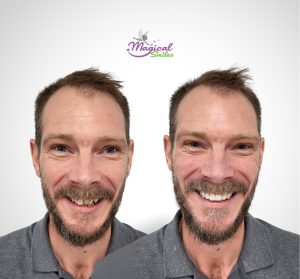
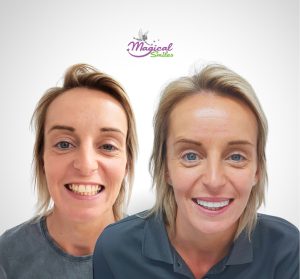
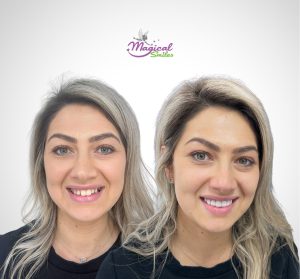
Clinical Cases and Visual References
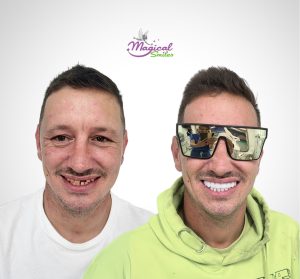
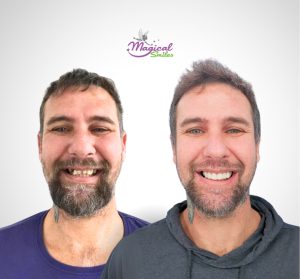
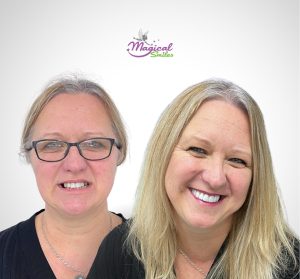
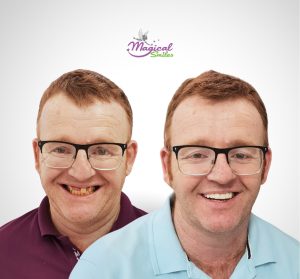
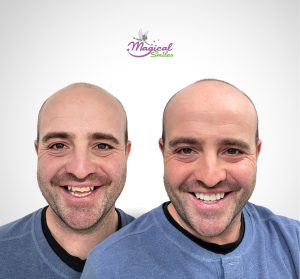
Explore images from a range of dental procedures to understand how outcomes may vary between individuals. These examples highlight how dentist-guided care plans can address specific dental concerns. They also offer a visual reference for how certain procedures may support your oral health goals.
* Images shown are of actual patients who received treatment at our clinic. Photos have not been edited or enhanced. Results vary from person to person. Not all patients are suitable for every procedure. Your dentist will assess your individual needs during a consultation.
Modern Dental Care with Patient-Focused Options
Laser dentistry is changing the way we care for smiles. It may reduce the need for drills in some procedures. At Magical Smiles Point Cook, we combine laser technology with personalised care so you are informed at every step.
Our Approach to Patient Care
We aim to support patients by explaining treatment options clearly and discussing comfort measures available. From the moment you walk through our doors, you’ll be met with warmth, respect, and a genuine focus on your well-being. We’ll always take the time to understand your concerns, explain your options, and create a treatment plan that suits your needs, not just your teeth.
Whether you’re feeling anxious about treatment or simply want an alternative option, our team is here to support you. We take time to explain procedures and answer your questions.

Using Modern Dental Technology
Laser technology may allow certain procedures to be performed without drills or stitches. It’s especially helpful for patients who are nervous about traditional tools or sensitive to sound and vibration.
From soft tissue reshaping to gum disease treatment, we use laser dentistry where appropriate to support treatment efficiency. In some cases, laser procedures may reduce the number of appointments and recovery times. (Patient experience can vary.)

Honest Advice and Flexible Options
We’ll always explain when laser treatment is recommended, what it involves, and whether it’s the right fit for your needs. You’ll get clear information about risks, benefits, and pricing—so you can make confident, informed choices without pressure.
To make your care even easier, we offer flexible scheduling and payment plan options. Payment plans are subject to eligibility and provider terms and may include minimum spend or fees. Full details are available from our reception team before you decide. Our team is committed to helping Point Cook patients access modern dental care that fits their lifestyles comfortably and transparently.
Cost Overview of Laser Treatments
Laser dental treatments vary depending on the type of procedure and clinical requirements. This guide provides a transparent overview of typical pricing, inclusions, and factors that may influence final treatment costs.
Laser Gum Treatment
Focused light energy is used in laser gum treatment to target bacteria and diseased tissue, which may assist in reducing bacterial load and supporting gum health. This approach may reduce the need for traditional surgical methods in some cases.
Starts at$680
The fee generally includes the consultation, diagnosis, and the use of laser equipment during treatment.
Pricing may vary depending on the severity of gum disease, the number of quadrants addressed, and the overall treatment plan.
Follow-up appointments and maintenance sessions may be recommended to help support recovery and gum stability.
Laser Gum Depigmentation
Laser gum depigmentation uses focused light energy to lighten dark pigmentation on the gums, creating a more uniform gum appearance. It’s a minimally invasive option that may assist with gum tone enhancement.
Starts at$175
The fee generally covers the consultation, local anaesthetic, and the use of laser equipment throughout the procedure.
Pricing varies based on the degree of pigmentation, the number of teeth addressed, and the overall complexity of the case.
Follow-up sessions may be advised for deeper pigmentation or to achieve consistent, balanced results across addressed areas.
Laser Root Canal Treatment
Laser-assisted root canal treatment uses focused light energy to disinfect and clean the root canal system. This method may support the removal of bacteria and aid the healing process when used with conventional techniques.
Starts at$2,500
The fee generally includes the initial consultation, diagnostic imaging, and the complete laser-assisted root canal procedure.
Costs may vary depending on the number of canals, the location of the teeth, the severity of the infection, and the overall treatment complexity.
Additional fees may apply if a dental crown is required to protect and strengthen the restored tooth.
Laser Teeth Whitening
Laser teeth whitening utilises professional-grade light activation to target surface stains and brighten the appearance of teeth. Results can vary depending on enamel condition and individual factors.
Starts at$595
The fee generally includes a 75-minute in-chair whitening session (without custom trays), use of protective materials, and tailored aftercare instructions from the dentist.
Follow-up or maintenance sessions may be recommended to sustain results and support long-term whitening outcomes based on individual lifestyle factors. For patients who prefer ongoing whitening at home, a package including custom trays is available starting at $695.
Pricing may vary depending on enamel condition, degree of staining, and the number of whitening applications required for the desired brightness.
Laser Gum Lift
A laser gum lift uses focused light energy to reshape the gum line for a more balanced appearance. This technique is designed with the intent to contour soft tissues while minimising impact.
Starts at$175
The fee generally includes the consultation, local anaesthetic, and laser contouring performed by the dentist to reshape the gum line.
Pricing may vary depending on the number of teeth addressed, the extent of reshaping required, and individual treatment complexity.
Additional appointments may be recommended for refinement or when combined with other dental procedures to enhance overall smile balance and aesthetics.

Flexible Options to Access Dental Care
Magical Smiles offers a range of flexible payment options to make dental care accessible. From health fund claims to interest-free plans, we are here to help you manage treatment costs in a way that suits your circumstances.
SuperCare (Pay With Your Super)
SuperCare can assist eligible patients in accessing their superannuation to fund dental procedures. This option may help reduce upfront costs and provide access to necessary dental services.
Learn More About Laser Dentistry Today
Laser dentistry offers a less invasive approach to addressing various oral concerns by utilising focused light technology. It’s commonly used for soft tissue procedures. This section answers common questions patients have about laser-based dental care.
Is laser dentistry painful?
Patients often want to know about the level of discomfort they might experience during the procedure. Laser dentistry often feels different from traditional methods, which can make patients wonder what the experience will be like. Here’s a clear breakdown of what patients may notice at each stage of a laser dentistry procedure.
- Before the procedure:
- Your dentist will begin with a detailed consultation to understand your specific oral health concerns and treatment goals. They will then assess if laser treatment suits your needs based on clinical findings and the procedure’s intended outcomes.
- You may feel more precise knowing that laser treatment often reduces the need for conventional drilling instruments.
- Dentists may not need to use local anaesthesia for minor procedures due to the laser’s precise action. This approach helps reduce tissue trauma, making the experience more efficient for many patients.
- Patients who are particularly sensitive or nervous can discuss comfort options beforehand, including topical numbing gels or other pain management strategies.
- During the procedure:
- The laser application may cause a mild warmth or slight tingling sensation.
- Unlike traditional drills, lasers don’t create vibrations or high-pitched noises, which can improve overall comfort.
- The laser targets specific tissues precisely, which helps avoid irritation in surrounding areas.
- After the procedure:
- Compared to traditional methods, laser procedures may lead to reduced bleeding, swelling, and post-treatment discomfort.
- The healing process is often faster because the laser promotes clotting and minimises inflammation.
- You may experience mild tenderness or sensitivity after the procedure, depending on your body’s response. These symptoms usually subside within one to two days and can be managed with over-the-counter pain relief medications if needed.
Some patients may find laser dentistry more efficient than traditional treatments due to its precise approach. Each person’s response to the procedure can vary based on their oral health and sensitivity.
What are the side effects of laser teeth whitening?
Laser teeth whitening is a cosmetic treatment that may help improve the brightness of your teeth. Like any procedure, it can have temporary side effects. Below are some of the common side effects patients may experience after undergoing laser teeth whitening:
- Tooth Sensitivity: Some individuals may experience increased tooth sensitivity to hot or cold foods and beverages after treatment. This sensitivity usually subsides within a few days as the enamel rehydrates and nerves settle.
- Gum Irritation: If the gums are not properly isolated during the procedure, the whitening gel or laser exposure may cause temporary irritation. Affected areas might appear white or pale upon contact, often accompanied by a mild burning sensation. This reaction is typically short-lived and subsides as the tissue heals.
- Dry Mouth or Throat: Because the mouth remains open during the procedure, patients may feel dryness in the mouth or throat shortly after treatment. Drinking water and staying hydrated help relieve this sensation.
- Tingling or Mild Discomfort: A tingling sensation in the teeth or jaw can occur during or after treatment. This condition is usually temporary and often improves on its own without needing additional care.
- Temporary Changes in Tooth Shade: Right after whitening, teeth may appear slightly blotchy or uneven in colour. The colour becomes more even within a few days as the enamel rehydrates and stabilises to its final shade.
These side effects are mild and short-term, and your dentist can guide you on how to manage them. If you experience discomfort after laser teeth whitening, consult your dentist.
What are the disadvantages of laser dentistry?
Laser dentistry offers numerous benefits for patients seeking a less invasive treatment experience. However, it also has some limitations to consider, such as the following:
- Limited Application for Certain Procedures: Laser devices may not be suitable for all dental conditions, including those with large cavities or deep tooth decay. Dentists may also avoid using lasers when addressing teeth with existing metal fillings or certain restorative materials. In these cases, traditional instruments might be more effective.
- Higher Equipment Costs: Laser machines generally cost more than traditional dental tools. This may result in higher treatment costs for some laser-based procedures, depending on the case.
- May Require Local Anaesthetic: Many laser treatments aim to reduce the need for numbing during procedures. However, some treatments may still require a local anaesthetic.
- Slower for Certain Treatments: Lasers can sometimes take longer than traditional tools when removing old restorations during treatment. This may also occur when addressing dense areas of hard tissue.
- Limited Use on Restorative Materials: Lasers are not effective on materials like amalgam fillings or specific types of dental crowns. In these situations, the dentist may need to use traditional tools to complete the procedure effectively.
Laser dentistry is a technique that can be used for various treatments tailored to the patient’s dental needs. Knowing its limitations helps patients discuss suitable treatment options with their dentist.
How long does laser dental treatment take?
Understanding how long laser dental treatment takes can help patients feel more prepared before their visit. The duration can vary based on several specific factors, including the type of treatment and your dental condition. Here’s a breakdown of what affects the length of a laser dentistry appointment:
- Treatment Type Matters: The time required depends on the specific purpose of the laser, such as addressing gum inflammation or removing decay. It may also vary depending on whether the laser is used to manage mouth ulcers or for a cosmetic procedure.
- Complexity of the Case: More extensive treatments, like managing advanced gum disease or contouring multiple teeth, typically require longer treatment times than minor procedures. A simple treatment may be completed in 15–30 minutes, while complex procedures could take 60–90 minutes or require multiple appointments.
- Technology and Training: The type of dental laser used can influence how quickly and precisely the procedure is performed. The dentist’s experience and technique also affect the overall efficiency and comfort of the treatment process. Our dental team utilises soft tissue lasers, enabling precise treatment and potentially reducing discomfort with varying procedure durations.
- Minimal Anaesthesia and Recovery Time: Since laser procedures cause less bleeding and swelling, patients often spend less time managing discomfort during and after the appointment. In some cases, patients can return to their normal activities shortly after leaving the clinic.
While treatment times vary, most laser dental procedures are designed to be efficient and tailored to your specific needs. If you’re considering laser dental treatment in Point Cook, we’ll discuss the expected duration of the treatment during your consultation.
How much does laser dentistry cost in Point Cook?
Understanding the cost of laser dentistry in Point Cook involves several key factors. While exact fees vary, several factors influence the total cost of treatment.
- Type of Treatment Performed: Laser technology can be used for various dental procedures, including soft tissue contouring and gum treatments. The cost will depend on the specific procedure and the complexity of the case. We provide laser gum treatment in Point Cook, which may be used for soft tissue reshaping and managing gum conditions.
- Dentist’s Experience and Qualifications: A dentist with advanced training in laser dentistry may charge differently based on their qualifications and clinical approach. The level of precision necessary for the procedure can also impact the total cost of the treatment. Experienced clinicians at Magical Smiles Point Cook prioritise patient comfort during treatment procedures.
- Scope and Severity of the Dental Concern: The extent of care needed plays a significant role in determining the overall cost. For instance, addressing a minor gum concern typically costs less than performing a comprehensive laser-assisted periodontal procedure.
- Technology and Equipment Used: Clinics that invest in advanced laser systems offer more precise care. This high-quality technology may contribute to the overall cost of treatment.
- Location of the Dental Clinic: The cost of laser dentistry can vary depending on the clinic’s location and regional operating expenses. Dental clinics in metropolitan areas may charge higher fees due to overhead costs and higher patient demand. Regional clinics may offer lower prices, but their costs can depend on local market conditions and the availability of technology.
- Individualised Treatment Planning: Each patient receives a customised treatment plan following a comprehensive assessment. The final cost reflects this personalised approach, as each treatment is designed to meet the patient’s specific oral health needs.
Schedule a consultation with an experienced dentist to discuss your needs and have your oral health thoroughly assessed. Your dentist will create a customised treatment plan based on your condition, which helps determine the cost accurately.
Is dental laser treatment worth it?
Laser dental treatment in Point Cook offers several benefits for suitable patients, depending on their oral health and smile goals. Whether it’s worth it depends on personal preferences, specific needs, and the type of procedure being considered. Below is a breakdown of what makes laser dentistry a worthwhile option for many people:
- Dentistry for Anxious Patients: Laser treatment is a less invasive alternative that can offer a no-drill dental treatment experience for many common procedures. This technique may be suitable for individuals who prefer treatment with minimal sound and vibration.
- Minimally Invasive Dentistry: Lasers enable precise incisions with minimal trauma to surrounding tissues. This can result in minimal bleeding during soft tissue procedures.
- Faster Healing and Recovery Time: Since laser treatment is less traumatic on tissues, recovery periods are often shorter than those associated with traditional methods.
- Reduced Risk of Infection: Lasers deliver focused light energy that can potentially sterilise the targeted area, which may help reduce the risk of infection. This can reduce the chance of bacterial contamination.
- Precision in Addressing Specific Areas: Laser technology allows dentists to target specific areas with precision, addressing gum concerns or performing soft tissue procedures.
- Not Suitable for Every Procedure: Lasers work well for many treatments, but they can’t replace traditional tools in every situation. Your dentist will assess your needs and recommend the most suitable approach for your oral health.
Laser dentistry can be a valuable option for patients seeking a less invasive alternative approach to certain dental procedures. It’s essential to consult with your dentist to determine if laser treatment is suitable for your dental needs.
Can laser dentistry help with gum disease?
Yes, laser dentistry can be used to help manage gum disease when incorporated into a comprehensive periodontal treatment plan. Dentists often combine laser therapy with deep cleaning to manage infection and promote gum health. Here’s how it works and what patients can expect from this approach:
- Targets Bacteria Without Cutting Gum Tissue: Laser technology targets harmful bacteria around the gum line without the need for scalpels or sutures. This method is an alternative to conventional techniques and may be suitable for certain gum treatments.
- Reduced Discomfort During Deep Cleaning: Laser gum treatment in Point Cook may be used to manage inflamed or infected gums. It involves little to no contact with traditional instruments.
- Promotes Healing by Preserving Healthy Tissue: Laser dentistry can target and clean diseased gum tissue while preserving healthy areas. This approach may promote healing and help reduce inflammation.
- May Minimise Bleeding and Swelling: Dental lasers cauterise tissue during treatment, which may minimise bleeding and swelling. This may improve comfort and support recovery, which varies between individuals.
- Used in Conjunction with Conventional Periodontal Care: Dentists often use lasers in conjunction with conventional scaling and root planing to help manage gum disease more effectively. Lasers do not replace standard treatment but may enhance comfort and healing when combined with good oral hygiene habits.
Laser dentistry provides a precise approach to managing gum disease for patients who are anxious about traditional treatments. It may also support those with moderate periodontal concerns as part of a personalised treatment plan recommended by your dentist. Consult your dentist to determine if laser treatment for gum disease in Point Cook is suitable for your condition.
Does laser treatment replace the dental drill?
Laser treatment can sometimes be used as an alternative to traditional instruments, particularly for minor cavities and soft tissue procedures. Dentists may use lasers to clean away decay or reshape gums with precision and accuracy. However, traditional drills are still necessary for procedures involving tough tissue or certain restorations. Your dentist will recommend the most appropriate method based on your needs.
Laser technology is often quieter than traditional methods, making some treatments more efficient for patients. In some cases, it minimises the need for anaesthesia, which can improve patient comfort. While lasers offer several benefits, they cannot be used in all situations and do not entirely replace traditional dental tools. Both methods can work together to provide effective dental care.
Can laser dentistry be used for children?
Yes, laser dentistry can be used for children in various procedures, including addressing tooth decay and managing gum issues. Many dentists use lasers to reduce decay, offering patients alternatives to dental drilling, which can significantly reduce anxiety. Children often feel more at ease with laser treatments because they involve minimal noise and vibration. This approach promotes a more precise experience, especially for young or nervous patients.
Dentists may recommend laser treatment for procedures like tongue-tie releases, gum reshaping, or managing mouth ulcers. The targeted light enables precise work and may minimise bleeding and the need for sutures. Recovery time may be shorter compared to traditional methods, which can benefit active children. However, not all dental conditions are suitable for laser treatment and should be assessed by a dental professional.
Your child’s dentist will assess their needs and explain if laser treatment is appropriate for their condition. Clinical decisions are always based on the latest evidence and individual circumstances. Parents should ask questions and understand the expected outcomes before proceeding with any treatment.