Straighten Your Teeth with Invisalign in Point Cook
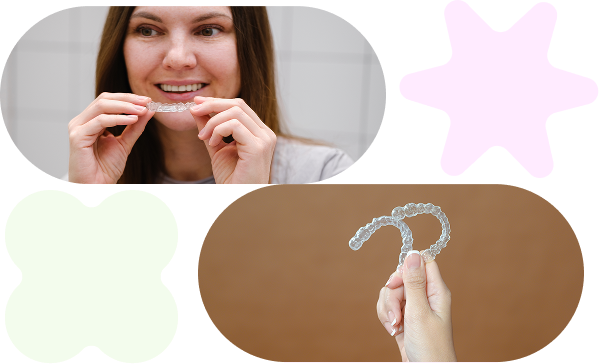
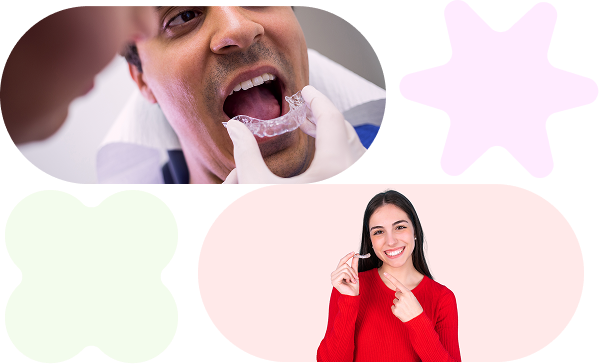
We offer Invisalign in Point Cook as a discreet orthodontic option. Removable clear trays can be taken out during meals and daily oral hygiene.
Discreet, Effective, and Lifestyle-Friendly
Invisalign is a clear aligner treatment that can be used as an alternative to traditional metal braces. Below are some of the key benefits patients may consider when exploring this clear aligner option:
1 Invisalign aligners are crafted from clear, BPA-free plastic and fit snugly over your teeth. They are designed to be discreet during everyday conversations and social photos.
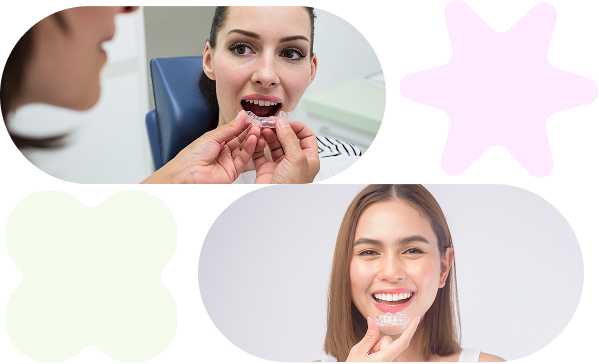
2 You can take off your aligners when eating or drinking anything except water. This flexibility allows you to maintain your usual diet and daily oral hygiene routines.
3 Each clear aligner is custom-made to follow your personalised treatment plan. The smooth surface is intended for a close fit against your cheeks, gums, and lips.
4 Invisalign checkups are planned and scheduled every few weeks. These follow-up visits usually focus on progress assessments and aligner delivery or adjustments.
Who Is Invisalign Suitable For?
Invisalign may be suitable for individuals seeking an alternative to traditional metal braces. Suitability depends on specific orthodontic needs and the results of a clinical assessment.
1 Teenagers with mild to moderate crowding may be eligible for Invisalign’s clear aligners. Invisalign for teens can offer a less visible option for those who meet the clinical criteria.
2 Adults may consider Invisalign as a discreet alternative, depending on their alignment needs and treatment goals.
3 Some patients experience gradual tooth shifting after earlier orthodontic treatment. Invisalign may be considered for this mild relapse if your dentist determines suitability.
4 People with gaps, crowding, or minor bite concerns may be eligible for Invisalign treatment. However, cases involving significant jaw misalignment may require alternative orthodontic approaches.
What to Know About the Invisalign Process
The information below explains how Invisalign gradually moves teeth using custom aligners. It also outlines how Invisalign compares to traditional braces in function and flexibility.
How Invisalign Works
Invisalign uses a series of clear, custom-made aligners that gradually guide your teeth toward improved alignment. You wear each aligner for one to two weeks before progressing to the next in your treatment plan.
The aligners are removable, which may make it easier to floss, brush, and eat compared with traditional braces. Your dentist monitors your progress every six to eight weeks and provides updated aligners to support your treatment plan. Progress can vary depending on the individual’s response and how consistently the aligners are worn.
Invisalign vs. Braces
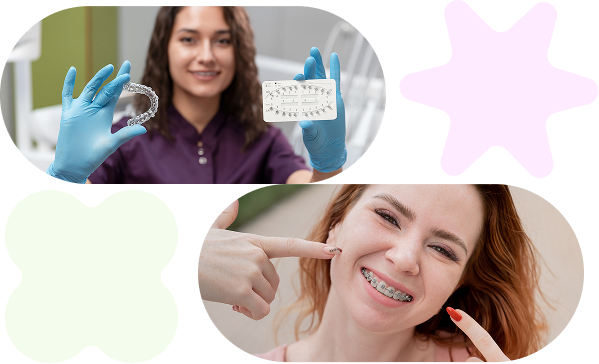
Traditional braces use metal brackets and wires to gradually align teeth through consistent, light pressure. Invisalign relies on a series of clear, custom-made aligners that shift teeth into place over time.
These removable aligners are intended to support comfort and may allow easier maintenance of oral hygiene, especially during meals and brushing. For proper outcomes, patients must wear Invisalign aligners 20–22 hours daily and follow their dentist’s instructions throughout treatment.
Things to Consider Before Starting Invisalign
While Invisalign is designed to be comfortable and flexible, some patients may experience mild discomfort or pressure when switching to a new set of aligners. Temporary speech changes or increased salivation may also occur during the adjustment phase.
Additionally, not all cases are suitable for clear aligners, especially those involving complex jaw misalignment. Your dentist will discuss the risks, care instructions, and expected recovery timeline as part of your personalised treatment plan.
Invisalign treatments at Magical Smiles Point Cook are performed by:
Dr. Rachna Yadav (DEN0001046139), Registered Dentist, General Registration
Dr. Amolak Deep (DEN0002514296), Registered Dentist, General Registration
What to Expect at Every Invisalign Treatment Stage
Invisalign treatment follows a clear, step-by-step plan tailored to your alignment needs and treatment plan. Here’s an outline of the usual stages—from your first consultation to your final retainer fitting and results.
Your Invisalign Consultation
Your dentist will ask about your treatment goals and any concerns you may have. We'll assess your suitability for Invisalign based on your oral health and alignment needs. Digital impressions or 3D scans are taken to begin planning your personalised treatment.
Personalised Treatment Plan Begins
Our team will use your 3D scan to design a treatment plan based on your orthodontic needs. We'll estimate how long the process might take based on your orthodontic needs. You’ll also see a digital preview of your potential results based on current modelling (results may vary between individuals).
Aligner Fitting and Instructions
You’ll receive your first set of aligners and have them fitted to promote a comfortable start. We’ll explain how to wear them properly and what to expect in the first few days. You’ll also learn how to clean and store them properly on a daily basis.
Regular Progress Checkups
You’ll return every few weeks for a checkup visit. Your dentist will assess your progress and make any needed adjustments. New aligners are provided based on your treatment plan and how your teeth are responding to the previous set.
Retainers and Final Touches
After your final aligner, your dentist will assess your results and recommend a suitable retainer option. You’ll receive instructions on wearing and caring for your retainer to help maintain alignment over time. Ongoing retention is essential in preventing your teeth from shifting.
Get a Personalised Invisalign Plan with Us
Book a consultation with our team to explore whether Invisalign is the right option for your alignment needs. We will assess your oral health and create a personalised plan if suitable.
Clinical Cases and Visual References
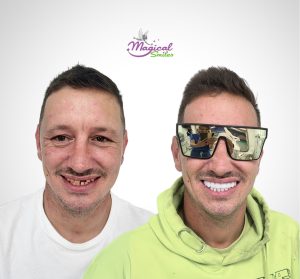
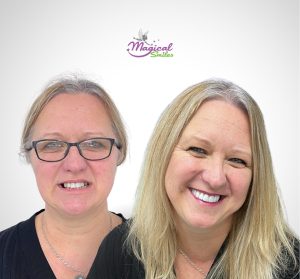
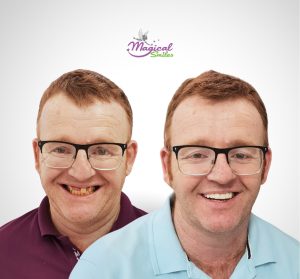
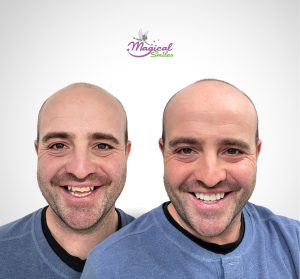
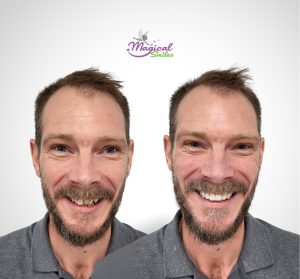
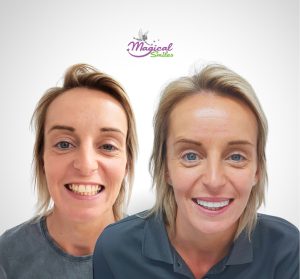
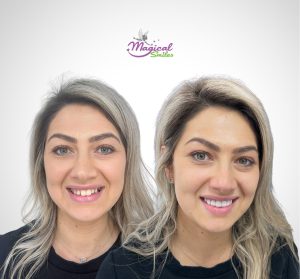
Explore images from a range of dental procedures to understand how outcomes may vary between individuals. These examples highlight how dentist-guided care plans can address specific dental concerns. They also offer a visual reference for how certain procedures may support your oral health goals.
* Images shown are of actual patients who received treatment at our clinic. Photos have not been edited or enhanced. Results vary from person to person. Not all patients are suitable for every procedure. Your dentist will assess your individual needs during a consultation.
Combining Digital Technology With Personalised Care
At Magical Smiles Point Cook, we combine Invisalign technology with a personal approach to care. Every treatment starts with a detailed digital scan for treatment planning and to assist in discussing possible outcomes. We take the time to understand your goals, lifestyle, and concerns so you feel informed and supported at every step. Whether you’re seeking subtle adjustments or more significant alignment, your treatment is guided by a team that listens, explains, and genuinely cares.
Personalised Invisalign Consultations
At our Point Cook clinic, we take the time to understand your lifestyle and any concerns you may have—whether it’s about comfort, cost, or confidence. During your consultation, you’ll have the opportunity to ask questions and consider your options at your own pace. Then, we develop a treatment plan that considers your dental needs and lifestyle factors.
We believe in open conversations and patient-centred care. If Invisalign is suitable for you, we’ll explain each step clearly and transparently. If it’s not, we’ll provide information about other appropriate treatments so you can make an informed choice.
Modern Technology in Invisalign Treatment
Invisalign offers a modern approach to teeth straightening, and we use digital scanning technology to assist with planning. Our 3D scanners eliminate the need for messy impressions and can generate images to illustrate potential progress. Actual outcomes vary for each individual.
From shorter appointments to discreet, removable aligners, the use of digital tools helps improve efficiency and accuracy in planning each stage of care. You’ll also benefit from technology that supports treatment monitoring and helps align the process with your daily routine.

Transparent Pricing and Flexible Payment Plans
We understand that Invisalign is an investment, which is why we prioritise transparency. From the onset, you’ll receive a clear breakdown of costs, free from hidden fees. Our consultations are pressure-free, providing you with the space to make informed choices.
To make Invisalign more accessible, we offer flexible payment plans and appointment options. We’ll tailor your treatment to suit both your lifestyle and your budget.
Invisalign Fees and Options
Indicative Invisalign pricing is provided to help you plan your treatment. Final costs depend on your clinical assessment, treatment complexity, and any private health fund cover. A personalised quote is given during consultation.
Single Arch
Single-arch Invisalign treatment is typically lower in cost, as it addresses either the upper or lower teeth. Costs typically range from $4,000 to $6,000, depending on your specific smile goals and the complexity of your treatment.
Starts at$4,000
The fee includes your initial consultation and digital scans. Your dentist will prepare an Invisalign treatment plan based on your needs.
Costs may vary based on treatment length. The number of aligners required can also influence your total treatment fee.
Follow-up visits are part of your care. Post-treatment retainers may also contribute to the overall cost of Invisalign treatment.
Upper and Lower Arches
Comprehensive treatment for both arches may be recommended for patients with moderate to complex alignment concerns. Pricing usually ranges from $4,500 to $9,000, depending on your treatment goals and the complexity of your case.
Starts at$4,500
This fee includes digital impressions, aligners, and regular review appointments in the price. Post-treatment retainers are also part of your package.
Complex cases may require longer treatment times. These cases may also involve adjustments during the Invisalign process.
During your consultation, we’ll assess your smile and your goals. You’ll receive a personalised quote based on this evaluation.

Flexible Options to Access Dental Care
Magical Smiles offers a range of flexible payment options to make dental care accessible. From health fund claims to interest-free plans, we are here to help you manage treatment costs in a way that suits your circumstances.
SuperCare (Pay With Your Super)
SuperCare can assist eligible patients in accessing their superannuation to fund dental procedures. This option may help reduce upfront costs and provide access to necessary dental services.
Invisalign Answers You’ve Been Looking For
Our friendly local team understands that starting Invisalign treatment is a big decision. We’ve answered common questions to help you feel informed, supported, and ready to explore your smile options.
How much does Invisalign cost in Point Cook?
Invisalign costs in Point Cook vary depending on your treatment needs and the complexity of your case. Below are the key factors that can influence the total price of your Invisalign treatment:
- Estimated Price Range:
As a general guide, Invisalign treatment typically ranges from $4,500 to $9,000, depending on the complexity of your case. The total cost may also vary based on treatment length and the provider’s experience. A personalised consultation at our dental clinic can provide an accurate quote tailored to your goals, needs, and treatment inclusions. - Complexity of Your Case:
The more complex your orthodontic needs, the higher the cost is likely to be. Mild crowding or spacing often needs fewer aligners and a shorter treatment period with fewer appointments. Moderate to severe misalignment may involve more aligners, additional phases, and closer monitoring throughout the treatment. - Length of Treatment:
Longer treatment durations may require more aligners and additional dental reviews, which can impact the overall cost. Shorter cases may be completed in under six months, whereas more complex treatments could extend beyond 18 months. - Experience of the Dentist:
Dentists with experience in Invisalign treatment may charge slightly more due to their advanced training and clinical knowledge. - Location of the Clinic:
Practices in metropolitan or high-demand areas, such as Point Cook, often have higher operating costs. These costs may influence treatment fees. - Payment Options and What’s Included:
The total fee may vary depending on what’s included, such as initial consultations, 3D scans, review appointments and final retainers. We offer flexible payment plans and will clearly outline all expected fees during your consultation.
If you’re considering Invisalign in Point Cook, book a consultation to receive a personalised treatment plan. You’ll also receive a clear breakdown of costs, so you have a good understanding of what to expect.
How does Invisalign compare to other orthodontic options?
Invisalign braces may be a suitable option for individuals seeking a more discreet way to straighten their teeth. Unlike metal braces, Invisalign aligners are removable, allowing better oral hygiene and dietary freedom during treatment. Clear aligner treatment may be less noticeable than braces and can be taken out during meals and cleaning. Whether this option is suitable depends on your dental needs, treatment goals, and budget.
Invisalign utilises advanced digital planning and custom-fit aligners, which are designed to guide teeth movement gradually based on each individual’s orthodontic plan. The process involves regular reviews to monitor progress and help maintain the effectiveness of the treatment. While not suitable for all cases, Invisalign can address many mild to moderate alignment concerns. An in-person consultation helps determine suitability and allows discussion of expected outcomes, timelines, and costs.
How long do you wear Invisalign each day?
To achieve the expected tooth movement, you need to wear your Invisalign aligners for 20-22 hours each day. This includes both daytime and nighttime, except when eating or drinking anything other than water. Removing the aligners too often may reduce their effectiveness and extend your treatment time. Consistent daily wear helps keep your treatment on track and supports steady progress in alignment.
Patients considering clear aligners in Point Cook should be aware that they’re only meant to be taken out during meals, brushing, and flossing. Wearing them for fewer hours can interrupt the pressure needed to move your teeth as planned. Aligners work effectively when worn consistently, allowing your teeth to respond gradually to each tray. To avoid delays, follow your dentist’s instructions on wear time as closely as possible.
How long does Invisalign treatment take?
Every smile is different, so the length of your Invisalign treatment can vary depending on your unique needs and goals. Here’s what you can expect when it comes to treatment time.
- Typical Duration for Most Cases:
Most Invisalign treatments generally take between 6 and 18 months to complete. The timeline depends on the complexity of the tooth movement and how consistently you wear your aligners. - Mild to Moderate Cases May Be Completed in Shorter Time:
If you have mild crowding or spacing, your Invisalign treatment may be completed in about six months. Wearing your clear aligners as instructed by your dentist can help keep your treatment on track. - More Complex Cases Take Longer:
Invisalign treatment for concerns such as bite issues or crowding typically takes 12-24 months to complete. Your dentist will assess your needs and guide you through a treatment plan tailored to your treatment goals. - Wear Time Affects Progress:
Wear your aligners for 20-22 hours a day to support consistent progress throughout your Invisalign treatment. Sticking to this routine helps keep your treatment timeline on track and reduces the chance of delays. - Regular Check-Ins Help Keep Things on Schedule:
Routine appointments allow your dentist to monitor your progress and make adjustments as necessary, promoting steady progress throughout your treatment.
You can get a more accurate estimate for your Invisalign treatment time during a personalised consultation. We’ll assess your needs and explain what to expect based on your smile. If you’re looking for teeth straightening in Point Cook, contact us today!
What is the average number of Invisalign trays?
The number of Invisalign trays you need depends on your specific orthodontic goals and how your teeth respond to treatment. Here’s a general overview of how many aligner trays most patients can expect throughout their treatment:
- Average Tray Count Varies by Case:
Most Invisalign treatments use between 20 and 30 aligner trays for the entire course of treatment. - Mild Cases May Need Fewer Trays:
Patients with minor crowding or spacing may complete their Invisalign journey with as few as 12-18 trays. - More Complex Treatments Require More Trays:
If more complex bite issues or misalignment are involved, treatment may include more than 30 trays. Some advanced cases may require more than 40 trays, depending on how teeth respond to treatment. - Refinements May Add Extra Trays:
Your dentist may recommend refinement trays after your initial set to make further adjustments. This can add more aligners. - Your Dentist Will Provide a Custom Plan:
Your dentist will assess your smile using a digital scan to understand your specific orthodontic needs. They will then create a personalised Invisalign plan that outlines the number of trays recommended for your treatment.
The number of Invisalign trays you need depends on your treatment goals and how your teeth respond to movement. A personalised consultation allows your dentist to create a treatment plan tailored to your smile.
What happens if I don’t wear my aligners for 3 hours?
If you don’t wear your aligners for three hours, it may interrupt the consistent pressure needed for effective tooth movement. This delay can slow your treatment progress and potentially extend the overall timeline. Teeth may begin to shift back when aligners are left out too long. Regular wear is essential to maintain the planned orthodontic movement.
Short breaks may seem minor, but they can affect alignment goals. Each aligner is designed to move teeth gradually within a specific timeframe. Skipping hours regularly can compromise the predictability of movement and delay your treatment.
Can things go wrong with Invisalign?
Invisible braces are a commonly prescribed orthodontic treatment that has been supported by clinical research and dental professionals. Patients need to understand that, like any dental treatment, it carries certain risks or limitations. Here are some key considerations to keep in mind if you’re thinking about Invisalign:
- Treatment May Not Suit All Bite or Alignment Issues:
Invisalign is effective for mild to moderate crowding, spacing, and bite issues. Clear aligners may not always be suitable for complex issues, such as significant overbites or jaw misalignment. Your dentist may recommend alternative treatment options tailored to your specific needs. - Delays Can Occur If Aligners Aren’t Worn as Prescribed:
For Invisalign to work effectively, you must wear your aligners for the recommended 20–22 hours a day. Wearing them inconsistently may slow movement, extend treatment time, or affect alignment outcomes. - Some People Experience Temporary Discomfort or Speech Changes:
Pressure or mild soreness can occur when switching to a new set of aligners. Some people notice temporary speech changes, such as a slight lisp, which often improves as they adjust. - Poor Oral Hygiene Can Lead to Other Dental Problems:
Because Invisalign trays cover the teeth, it’s essential to brush and floss thoroughly before putting them back in. Wearing aligners over unclean teeth can trap food particles and bacteria, potentially increasing the risk of tooth decay. - Teeth Can Shift Back Without Retainers:
After completing Invisalign, retainers are recommended to help maintain alignment. Without proper retention, teeth may gradually move back towards their original position over time.
Being aware of these possibilities helps you understand what to expect and have open discussions with your dentist. With the right guidance and consistent care, some people find Invisalign to be a manageable and rewarding treatment experience.
What is the failure rate of Invisalign?
A retrospective study found that Invisalign had an 88–90% success rate for malocclusions, similar to that of traditional braces. However, some patients may experience slower progress or require refinements if aligners are not worn consistently for 20–22 hours daily. Dentists may recommend additional aligners or adjustments to address specific alignment needs.
Approximately 17.2% of patients transitioned from Invisalign to braces to complete their treatment. This was often related to complex tooth movement or inconsistent wear of the aligners. These findings highlight the role of consistent wear and regular monitoring in supporting treatment outcomes.
Certain bite issues or severe misalignments may be managed more predictably with other orthodontic options. Dentists assess each case thoroughly before recommending Invisalign as a suitable option. A customised consultation helps identify any potential limitations based on your dental needs.
Am I a candidate for Invisalign?
Invisalign can be a suitable option for individuals seeking a discreet alternative to traditional metal braces. Below are some of the main factors a dentist will consider when determining if Invisalign is right for you:
- Mild to Moderate Alignment Issues: Invisalign may be suitable for patients with mild to moderate crowding, spacing, or bite irregularities, like overbites, underbites, or crossbites.
- Healthy Gums and Teeth: People with healthy teeth and gums are more likely to be considered for Invisalign treatment by their dentist. Active decay or gum disease may need to be addressed before wearing clear aligners.
- Commitment to Wearing Aligners: Since Invisalign aligners are removable, their effectiveness depends on consistent daily wear, usually 20–22 hours a day.
- Invisalign for Adults and Teens: Invisalign may also be an option for adults and teens whose jaws have fully developed. Patients must follow instructions carefully so their treatment stays on track.
- Good Oral Hygiene Habits: Patients who brush and floss regularly often maintain better oral hygiene while wearing Invisalign aligners. Regular dental checkups help maintain healthy gums and teeth throughout the Invisalign treatment process.
- Complex Orthodontic Needs May Require Alternatives: Individuals with complex bite issues, severe crowding, or jaw concerns may require a different orthodontic approach. We’ll assess your needs and explain which treatment option is most appropriate for your situation.
Many teens and adults are now exploring alternatives to metal braces for a more comfortable and discreet orthodontic experience. A reliable way to determine if Invisalign is suitable for your needs is to schedule a consultation. At Magical Smiles Point Cook, we take time to understand your goals and carefully assess your smile. We then recommend a treatment option that suits your individual oral health needs and lifestyle.
Who should not use Invisalign?
Invisalign may not be appropriate for every patient, as suitability depends on individual dental needs and treatment complexity. It’s essential to consult with a dental professional to determine whether clear aligners are suitable for your orthodontic needs. Below are situations where Invisalign may not be recommended:
- Severe Skeletal Jaw Discrepancies:
Invisalign may not be suitable for individuals with significant jaw alignment issues related to their bone structure. These cases often need more complex alignment or surgical options. These cases may require traditional braces or surgical intervention. - Complex Tooth Rotations or Large Gaps:
If certain teeth are severely rotated or there are wide gaps between teeth, Invisalign may not achieve the desired results. Braces may offer more targeted control in these situations. - Uncontrolled Gum Disease:
Patients with active gum disease may need treatment first before clear aligners are considered. Moving teeth in this condition may exacerbate oral health issues. Gum health must be stabilised first. - Severe Teeth Grinding or Clenching:
People with significant bruxism may need additional management before considering Invisalign, as this habit can affect aligner wear.
Invisalign can be an effective option for many individuals. However, it may not be the right option for every orthodontic case. A personalised consultation with your dentist will help determine whether Invisalign is suitable for your orthodontic concerns and oral health.
Can you eat with Invisalign in?
You need to take off your clear aligners before eating or drinking anything except water. The aligners are not designed to withstand the pressure from chewing food. Eating with them can damage the plastic and affect your treatment progress. To protect your aligners, always store them in their case during meals.
After eating, brush your teeth before reinserting your aligners to maintain oral hygiene. Food particles trapped inside aligners can increase the risk of decay or gum issues. Avoid coloured drinks while wearing your aligners to prevent staining. Consistent use supports steady progress throughout your orthodontic treatment.
Can I drink coffee with Invisalign?
It’s recommended to take out your aligners before drinking hot or coloured beverages such as coffee. These can cause the plastic to warp, potentially affecting the fit and effectiveness of your aligners. Coffee can also stain the clear trays, making them more noticeable during your treatment. To maintain the clarity and effectiveness of aligners, always take them out before drinking anything other than water.
After drinking coffee, rinse your mouth with water before reinserting your aligners to avoid trapping sugars or acids. This simple step may help reduce the risk of damage from tooth decay or enamel erosion during treatment. Brushing your teeth before putting aligners back in is ideal when possible. Following this habit helps maintain good oral hygiene and keeps your aligners in good condition.
Do you sleep with Invisalign?
Many patients ask whether they should sleep with their Invisalign aligners in. Here’s what you need to know, explained in simple terms:
- Aligners are generally worn 20–22 hours per day, including during sleep, to maintain progress.
- Sleeping with your aligners helps maintain consistent pressure on your teeth, which is essential for gradual movement.
- Removing your aligners at night may slow down your progress and could extend your overall treatment time.
- The aligners are custom-made to fit snugly, so they should remain secure and comfortable throughout the night.
- Most patients find that once they’ve adjusted during the first few nights, wearing Invisalign while sleeping feels completely normal.
- If your aligners feel uncomfortable at night, please let your dentist know as soon as possible. They can assess the fit and provide advice to help you stay on track with your treatment.
Sleeping with your aligners in is a normal and essential part of the Invisalign treatment process. It helps guide your teeth into position while you sleep, supporting consistent progress throughout your treatment.
Do I have to brush every time I eat with Invisalign?
Wearing Invisalign aligners means that maintaining good oral hygiene is even more important. Here’s what you need to know about brushing after meals:
- Take Off Your Aligners Before Eating:
Always take off your aligners before eating or drinking anything other than water. This helps prevent staining or warping of the plastic material. - Brushing After Every Meal Is Strongly Recommended:
It’s generally recommended to brush your teeth after every meal or snack before reinserting your aligners. This helps prevent the trapping of bacteria and food particles, which can lead to bad breath or plaque buildup. Establishing this routine supports good oral habits that should be maintained even after aligner treatment. - Clean Aligners Before Reinserting:
If you’re unable to brush, rinse your mouth thoroughly with water after eating. Clean your aligners before reinserting them. This reduces the risk of bacterial growth. - Carry a Travel Hygiene Kit:
Many people find it helpful to keep a small travel toothbrush and toothpaste in their bag. This makes it easier to clean your teeth on the go and stay consistent with your routine. - Timing Matters Too:
If you’ve consumed acidic food or drinks, such as citrus or soft drinks, wait about 30 minutes before brushing. This helps protect your enamel, which can temporarily soften after exposure to acid.
Brushing and cleaning your teeth after meals helps protect your oral health during Invisalign treatment. These habits support a cleaner mouth and reduce plaque buildup.