Tooth Replacement with Dental Implants in Point Cook
We offer dental implants in Point Cook as an option for replacing missing teeth. Results can vary depending on your oral health and the treatment plan tailored to your needs.
A Long-Term Option for Tooth Replacement
Dental implants are a long-term option for replacing missing teeth. They are intended to support function and may help maintain a natural appearance, depending on individual factors. Here are the potential benefits patients may experience when dental implants are part of their treatment plan.
1 Dental implants can help support jawbone structure by replacing the missing tooth root with a secure, artificial component. This stimulation may help reduce bone loss over time and support facial shape and oral function.
2 They may assist in restoring chewing function and bite strength. Some patients find they can eat more comfortably with implant-supported teeth, although individual outcomes vary.
3 Implants are anchored in the jawbone, which may offer greater stability compared to removable dentures for some patients.
4 With consistent oral care, dental implants may remain functional for many years. Flossing, brushing, and routine dental checkups help support their ongoing function.
As with any surgical procedure, risks and recovery times vary. A personalised consultation is required to assess if dental implants are suitable for you.
Who Is a Candidate for Dental Implants?
Dental implants may be considered for adults with healthy gums and adequate bone support. The individuals outlined below are often considered suitable candidates after a personalised consultation and comprehensive assessment.
1 Individuals who have lost teeth due to decay or injury may wish to explore dental implants.
2 Adults with healthy gums and strong hygiene routines often make good candidates. Good oral hygiene may lower the risk of complications during healing.
3 Non-smokers or those willing to quit may support better healing outcomes, as smoking can interfere with implant stability and recovery time.
4 People without certain medical conditions, like uncontrolled diabetes, may be more likely to qualify for treatment. Adequate bone structure supports the likelihood of implant integration. Each patient’s suitability will depend on individual health, oral condition, and a full clinical assessment by their dentist.
Dental Implant Options Tailored to Patient-Specific Needs
We provide Point Cook patients with tailored care that promotes long-term oral health, function, and well-being. Our team delivers evidence-based treatments based on individual assessments and clinical needs.
Single Implants
A single dental implant may replace one missing tooth without affecting neighbouring teeth or surrounding bones. This treatment may help preserve bone structure, support facial contours, and maintain normal oral function over time. They are intended to restore the appearance and function of teeth, which may assist with chewing and speaking.
Multiple Dental Implants
When several teeth are missing, we may recommend dental implants to support function, stability, and appearance over time. Implants may also help support jawbone density and reduce the risk of further bone loss. This option can provide stability for some patients replacing multiple teeth, depending on clinical suitability.
All-on-4 Dental Implants
All-on-4 implants anchor a full arch of teeth using just four strategically placed implants in the jaw. This option may reduce the need for bone grafting or additional surgical procedures, depending on individual suitability. They may provide additional stability compared to removable dentures and may assist with everyday activities such as speaking and chewing.
Implant-Retained Dentures
We attach your dentures to implants, which may help reduce slipping and movement during everyday activities, such as eating or speaking. This method may improve denture stability compared to traditional removable dentures. Implant placement may also help stimulate the jawbone, which can limit further bone loss over time.
Dental Implant Consultation
During your consultation, we carefully assess your oral health, bone density, and implant suitability using advanced diagnostic imaging tools. We take the time to clearly explain all treatment options and encourage you to ask questions. Our Point Cook team supports informed decisions that align with your preferences, needs, and long-term oral health goals.
Dental implant procedures at Magical Smiles Point Cook are performed by our dental team, including Dr. Rachna Yadav (DEN0001046139) and Dr. Amolak Deep (DEN0002514296) — all registered dentists with general registration.
What Happens Before, During, and After
Dental implants are placed through a staged process that includes assessment, surgery, and final restoration. Each step is designed with the aim of supporting long-term function. Patients receive personalised care based on their oral health, goals, and clinical requirements.
Initial Consultation and Scans
Your dentist begins with a detailed consultation considering your oral health needs and medical background. They carefully examine your teeth, gums, and jaw to assess suitability for implants. 3D scans help your dentist evaluate bone density and plan the implant placement process with detail.
Personalised Treatment Planning
Your dentist develops a treatment plan based on your dental needs and health status. It may include the number of implants, the type of restoration, and any preparatory procedures. The plan also provides an approximate timeline for each stage of your implant treatment.
Precise Implant Placement
A qualified dentist carefully places the titanium implant into your jawbone during a minor surgical procedure under local anaesthetic. They use precise techniques to promote proper integration. Throughout the process, your comfort and safety are monitored to encourage favourable outcomes for many patients.
Healing and Integration Period
The healing phase allows the implant to gradually bond with your jawbone through a process called osseointegration. This typically takes several months but can vary based on your general health and oral condition. Your dentist monitors progress regularly to support bone integration.
Final Tooth Restoration
Once the implant site heals, your dentist attaches a custom-made crown, bridge, or denture to the implant. Each restoration is chosen to closely match the colour, shape, and size of your natural teeth. After placement, follow-up care may be recommended to help maintain long-term oral health.
Considering Implants? Let’s Talk About Options
Explore your dental implant options with our experienced team in Point Cook. We’ll provide clear, professional guidance based on your oral health and clinical assessment.
Clinical Cases and Visual References
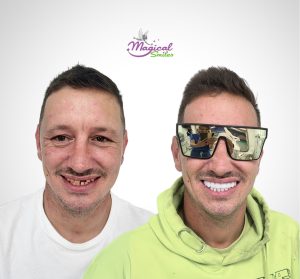
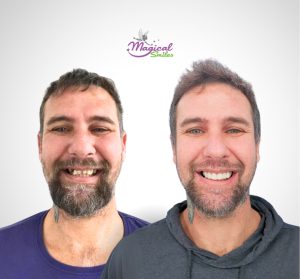
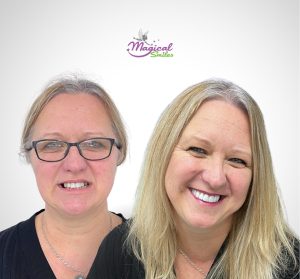
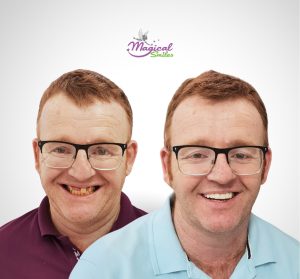
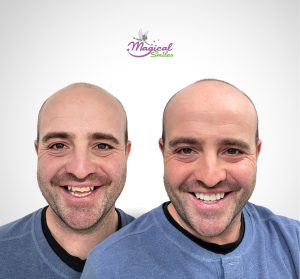
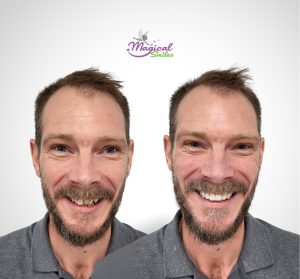
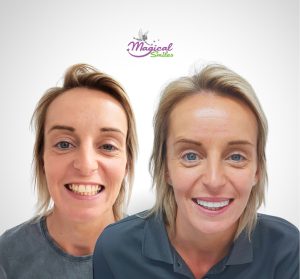
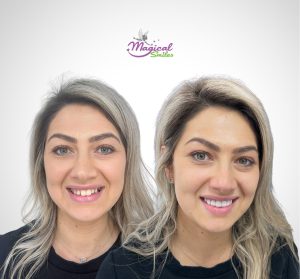
Explore images from a range of dental procedures to understand how outcomes may vary between individuals. These examples highlight how dentist-guided care plans can address specific dental concerns. They also offer a visual reference for how certain procedures may support your oral health goals.
* Images shown are of actual patients who received treatment at our clinic. Photos have not been edited or enhanced. Results vary from person to person. Not all patients are suitable for every procedure. Your dentist will assess your individual needs during a consultation.
Our Approach to Dental Implant Care
Replacing missing teeth is an important decision, but it doesn’t have to be overwhelming. At Magical Smiles Point Cook, we offer supportive care at every stage, from your initial consultation to post-treatment follow-ups. With over 10 years of clinical experience, we use digital planning tools to design treatments tailored to your specific clinical needs.
Over 10 Years of Implant Experience
Experience matters when restoring oral function. With over a decade of experience, our team at Magical Smiles Point Cook provides dental implant treatment to support chewing and stability. We tailor each treatment plan to your lifestyle, oral health goals, and clinical needs.
Whether you’re missing one tooth or seeking an alternative to removable dentures, we provide treatment options. We also support patients with complex concerns, including dental anxiety, multiple missing teeth, or the desire for a fixed tooth replacement option—all delivered with individualised care based on your needs.
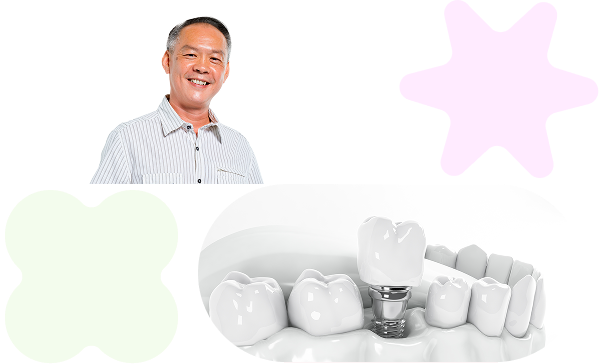
Modern Technology for Treatment Planning
We use modern digital technology to plan and place your dental implants with accuracy. With 3D imaging and guided placement systems, we can visualise your jaw structure in detail so your implant fits precisely where it’s meant to go.
Digital planning provides a detailed visualisation of the jaw structure, supporting accurate implant placement. You’ll know what to expect at every stage, and we’ll walk you through the process with clear visuals and professional guidance. Recovery time varies for each patient.
Support and Options for Patients
We know the idea of dental surgery can feel overwhelming. This is why our focus is always on making you feel supported and informed. For patients who feel anxious, we provide sedation options, which will be discussed with you during consultation. We also offer a welcoming clinic environment where you can discuss your concerns.
From your first appointment, we’ll move at a pace that feels right for you. If cost is a concern, we offer interest-free payment plans with flexible terms. During your consultation, we’ll clearly explain your options and any eligibility requirements. We aim to provide clear information and support around treatment, recovery, and payment options.
Dental Implants Price Overview
Dental implant costs vary depending on the type of implant and any additional procedures required as part of treatment planning. We provide pricing information to help you plan your treatment with clarity and informed expectations.
Single Implants
The cost of a single dental implant is confirmed during your consultation following a full clinical assessment. The final cost of a single tooth implant in Point Cook may vary depending on your oral condition, bone density, and any additional procedures that may be required.
Starts at$5000
This includes the surgical placement of the implant ($2,500) and the fabrication of a custom-made dental crown ($2,500).
Price applies to straightforward cases without bone grafting or sinus lift.
Final costs are confirmed following a full consultation and clinical assessment. Payment plan options are available (subject to provider terms and approval).
Multiple Dental Implants
The cost of multiple dental implants depends on the number of teeth that need to be replaced. It also varies based on whether you need a bridge, denture, or individual crowns to complete your smile.
Starts at$10,000
The number of implants directly affects the total cost. Costs also vary depending on the type of restoration chosen.
Complex treatments may require additional planning and time. Preparatory procedures, such as bone grafting, may increase the overall price.
We assess your oral health during the consultation and provide a written quote based on your clinical needs.
All-on-4 Implants
All-on-4 implants may be recommended as an option for restoring a full arch of teeth. Pricing varies based on your clinical requirements and may change depending on the complexity of the procedure.
Starts at$25,000
The price includes the placement of four dental implants in the jaw ($2,500 each). It also covers the bridge, abutments, and surgical components.
Optional procedures, such as bone grafting, sinus lifts, or tooth extractions, may increase the overall cost. Sedation can also be arranged if clinically appropriate.
Your dentist will explain the full treatment plan during your visit. You'll receive a detailed, itemised written quote after your consultation.
Dental Implant Consultation
Your consultation includes a full dental assessment and a personalised discussion about possible implant options. The treatment process is explained and estimated costs are outlined based on clinical findings.
Starts at$65
The consultation generally includes digital scans to check bone health and implant suitability. Your dentist may recommend additional imaging if complex issues appear during the assessment.
The overall cost may vary depending on the number of scans required and the type of imaging used.
After your consultation, you’ll receive a written treatment plan and quote outlining the next steps.

Flexible Options to Access Dental Care
Magical Smiles offers a range of flexible payment options to make dental care accessible. From health fund claims to interest-free plans, we are here to help you manage treatment costs in a way that suits your circumstances.
SuperCare (Pay With Your Super)
SuperCare can assist eligible patients in accessing their superannuation to fund dental procedures. This option may help reduce upfront costs and provide access to necessary dental services.
Common Questions Answered
This section addresses some of the most common questions patients have about dental implants, providing general information to help you understand the treatment process. This section outlines common steps, general expectations during care, and important factors your dentist may consider when assessing suitability.
How do dental implants work?
Dental implants provide a method for replacing missing teeth by anchoring artificial tooth roots into the jawbone. Here’s a closer look at how they work:
- A dentist places a small, biocompatible titanium post into the jawbone during the dental implant procedure. This post serves as an artificial tooth root, creating a foundation for the dental crown.
- The surrounding bone gradually fuses with the implant surface after placement. This process, known as osseointegration, typically takes several months but can vary from patient to patient.
- Once healing is complete, the dentist attaches a small connector piece called an abutment to the dental implant. This abutment holds the final crown, bridge, or denture securely in place to support function and appearance.
- The dentist custom-designs the crown or restoration to align with the colour, shape, and size of your existing teeth, supporting appearance and bite function.
- Once treatment is complete, dental implants are intended to remain in place, helping with chewing, speaking, and overall daily comfort.
Dental implants integrate with the jawbone to create a stable base for a crown, bridge, or denture. They offer one option for replacing missing teeth in a way that can resemble the appearance and function of natural teeth. We provide clear guidance on dental implants in Point Cook to help assess if the treatment suits your needs.
Do dental implants hurt?
Many people considering dental implants are curious about the level of discomfort associated with them. This overview explains what happens at each stage to help set realistic expectations without exaggeration.
Before the Procedure
- Your dentist conducts a comprehensive assessment using digital scans to determine your oral health and treatment needs. They also review your medical history to help plan your treatment with the aim of reducing risks.
- The area is numbed with local anaesthesia before surgery, which helps minimise discomfort during the procedure itself. At Magical Smiles Point Cook, we use The Wand®, a computer-assisted local anaesthetic delivery system, to help administer anaesthesia in a controlled way.
- Sedation options may also be discussed if you feel especially anxious to help you stay calm and comfortable.
- Many patients describe feeling more nervous than physically uncomfortable at this stage, and your dental team can help manage this experience.
During the Procedure
- Most patients report feeling pressure or movement rather than pain while under local anaesthesia.
- The procedure may take longer if multiple implants are placed or a bone graft is needed. Any discomfort is usually managed by the dentist.
- Your dentist will check in with you during the procedure to help support your comfort throughout. If you feel discomfort, they can pause the procedure and adjust the anaesthesia or technique as needed.
After the Procedure
- It’s normal to feel mild to moderate discomfort for a few days after treatment. This can usually be managed with over-the-counter pain medication as advised by your dentist.
- You may experience swelling, bruising, or a dull ache around the area during the first 48 hours. These symptoms usually subside within a week as your body begins to heal.
- Your dentist provides clear aftercare instructions to help support healing after the procedure. Recovery time varies, but many patients return to normal activities within a few days, depending on treatment complexity.
Some temporary discomfort is expected after dental implant surgery, particularly during the initial healing phase. Patients often describe the experience as manageable. If you’re still unsure, speaking with a dentist experienced in dental implant treatment in Point Cook can help you prepare and feel informed. Every patient’s experience is different, and your dentist will discuss what you can expect during your consultation.
How long does a dental implant procedure take?
The time needed for a dental implant procedure depends on your oral health and the number of implants required. Additional treatments, like bone grafting or gum care, may extend the overall treatment time. Below is a breakdown of what to expect:
- Initial Consultation and Assessment—30-60 Minutes:
The process begins with a detailed examination, X-rays or 3D scans, and a discussion about your dental and medical history. This step generally takes around 30 to 60 minutes, depending on the complexity of your case. - Surgical Placement of the Implant—Around One Hour Per Implant:
Placing the titanium post into the jawbone is usually completed within one to two hours per implant by a trained dentist. For patients considering full-mouth dental implants in Point Cook, treatment planning is carefully individualised to support oral function and overall appearance. - Healing and Integration Period—Three to Six Months:
After the implant is placed, the bone needs time to heal and integrate with the implant. This phase, known as osseointegration, usually takes about three to six months, but timelines can vary depending on individual healing and oral health. - Placement of the Crown or Final Restoration—One to Two Appointments:
Once healing is complete, the final crown or bridge is custom-made and attached to the implant. This may require one or two appointments, depending on the complexity of the case. - Additional Procedures May Extend the Timeline:
If you require bone grafting or gum treatment, these procedures are performed prior to the dental implant procedure. These preparatory procedures can extend the overall treatment time by several weeks or months.
The full dental implant process may take several months, depending on your oral health, treatment complexity, and healing progress. Each stage aims to support a functional outcome that complements your existing teeth. A dentist experienced in dental implant treatment in Point Cook can provide a more specific timeline after your consultation.
How long do dental implants last?
Dental implants are intended as a long-term option for missing tooth replacement in Point Cook. Their lifespan depends on personal habits and oral health. Here’s a breakdown of what influences how long they may last:
- The Durability of the Implant Post:
The titanium post placed in the jawbone is durable and resistant to decay. With consistent care and maintenance, the implant post may remain functional for many years, though outcomes vary. - Oral Hygiene:
Daily brushing, flossing, and routine dental visits help protect the gum and bone surrounding the implant. Poor oral hygiene can lead to peri-implant disease, which may affect the implant’s lifespan. - Health of the Surrounding Bone and Gums:
A stable foundation is essential. Conditions such as advanced gum disease or bone loss can compromise the surrounding structure and affect the implant’s longevity. - Habits That Affect Longevity:
Habits like smoking or grinding teeth (bruxism) can increase the risk of implant complications. Reducing or managing these habits may help maintain implant health. - Regular Dental Checkups:
Dental checkups provide ongoing maintenance, allowing for the early detection of issues surrounding the implant. Prompt attention to minor changes may help prolong its lifespan. - Restoration:
The crown or bridge attached to the implant may need replacement over time due to normal wear and tear. While the implant post is designed to be long-lasting, the visible restoration may require periodic maintenance or replacement.
Published research has reported a dental implant success rate of 90–95% over a 10-year period, though individual outcomes can vary. Long-term function depends on factors such as oral hygiene, bone health, and lifestyle habits. Your dentist can discuss expected outcomes and maintenance needs during your consultation.
How much do dental implants cost in Point Cook?
If you’re considering dental implants in Point Cook, it’s helpful to understand what factors affect the cost of treatment. This overview provides general information to help you plan and discuss your options during your consultation. The following are some key elements that influence pricing for this treatment.
- Type of Implant Treatment:
The type of implant procedure has a significant impact on the overall cost. At Magical Smiles Point Cook, a single dental implant typically starts at $5,000, depending on the components used. Additional procedures like bone grafting may increase the total cost, depending on clinical requirements. Your dentist will provide a personalised, itemised quote following a full assessment. - Payment Options:
Payment plan options may be available to assist patients in managing treatment costs. Plan limits and terms vary depending on the provider. At our clinic, some plans start from approximately $50 per week over 24 months, subject to approval and provider conditions. Your dentist can discuss these options with you during your visit. - Experience of the Dentist:
A dentist’s experience and training can influence treatment planning and procedure time. Fees may reflect the clinician’s experience level, the materials used, and the complexity of the case. - Dental Clinic Location:
The location of a dental clinic in Point Cook may influence treatment fees. Clinics in high-demand or central areas often have higher operating costs, which can affect overall pricing compared to clinics in other regions. - Pre-Treatment Assessments and Planning:
Costs may include 3D imaging, diagnostic scans, and oral health checks to assess bone density and gum condition. These steps help support personalised treatment planning and may be billed separately. - Additional Procedures (If Required):
Some patients may require bone grafting or tooth extractions prior to implant placement. These additional procedures are assessed individually and may contribute to the total treatment cost.
The total cost of dental implants in Point Cook varies based on individual oral health, treatment complexity, and material choices. A consultation provides the most accurate way to receive a detailed quote tailored to your needs.
Does Medicare cover dental implants?
Medicare generally does not cover dental implant procedures, as they are considered a private treatment rather than a medically necessary service. In most cases, patients fund dental implants privately or through their health fund provider.
Some hospital-based dental treatments may receive partial Medicare support if deemed medically necessary under specific conditions. However, implant procedures are not part of Medicare’s standard dental benefits.
Are dental implants a good long-term option?
Dental implants can be a long-term option for replacing missing teeth. They are designed to integrate with the jawbone and may assist with comfort during speaking and eating. However, outcomes vary depending on individual oral health and how well the implant integrates with the jawbone. While initial costs can be higher than those of other tooth replacement options, their durability may make them a suitable long-term option for some patients.
The cost of dental implants in Point Cook varies based on your specific needs and treatment plan. Some patients consider implants as a way to restore function and maintain oral structure where teeth are missing. Implants can also help support facial appearance in cases of multiple missing teeth. It’s recommended to have a detailed consultation to determine whether implants align with your oral health goals and clinical suitability.
Is a dental implant right for me?
Dental implants may be a suitable option for some patients depending on their oral health and treatment goals. Below are key factors that can help determine your suitability for this treatment:
- You’re Missing One or More Teeth:
People often consider dental implants after losing one or more teeth from injury, decay, or gum-related issues. They are designed to replace missing teeth in a way that supports function and a natural-looking appearance. - You Have Enough Healthy Jawbone:
A sufficient amount of jawbone is important to support an implant. If bone loss has occurred, additional procedures, such as bone grafting for implants, may be discussed before treatment begins. - Your Gums Are Free of Active Infection:
Healthy gums provide a more stable foundation for implants. Any active gum conditions may need to be managed before proceeding with treatment. - You Don’t Smoke—or You’re Willing to Quit:
Smoking can affect healing and the overall outcome of implant treatment. Reducing or quitting smoking may be recommended before and after implant placement to support recovery. - You’re Ready to Commit to the Process:
Implant treatment involves several stages and usually takes a few months to complete. Ongoing care and follow-up appointments are important to help maintain implant health and function over time.
A comprehensive dental assessment can help determine whether dental implants are suitable for your needs. This typically includes imaging, a review of your health history, and an evaluation of your gums and bone structure.
Who should not get dental implants?
Dental implants may not be suitable for everyone. Patients with uncontrolled diabetes or compromised immune systems may face a higher risk of complications or delayed healing. Those undergoing chemotherapy or radiation therapy to the head or neck may also experience slower recovery. Patients with significant bone loss in the jaw may require additional procedures before implant treatment can be considered.
Smoking can affect healing and the overall outcome of implant treatment, so heavy smokers may be advised to modify their habits before proceeding.
Children and teenagers whose jawbones are still developing are generally not candidates for dental implants until growth is complete. Individuals with unaddressed gum disease may require periodontal care before considering implants. Those unable to maintain consistent oral hygiene may face an increased risk of complications over time.
A comprehensive dental and medical assessment helps determine whether implant treatment is appropriate based on individual health and oral condition.
What is the downside to dental implants?
Dental implants may be considered a long-term option for replacing missing teeth and supporting oral function. Like all treatments, they involve specific considerations. Below are some potential downsides to consider during your decision-making process.
- Treatment Time Can Be Lengthy:
The process of receiving a dental implant often takes several months. This includes healing time after the implant is placed, which is necessary before attaching the final restoration. - Initial Cost Is Higher Than Other Options:
Compared to removable dentures or traditional bridges, dental implants involve a higher upfront cost. Although they may last for many years with appropriate care, the initial financial investment can be substantial. - Surgical Risks Exist, As with Any Procedure:
Dental implant placement involves minor surgery, which may carry risks such as temporary discomfort, swelling, or bruising after the procedure. In some cases, patients may experience nerve-related symptoms or infections that require follow-up care. - Implant Complications Can Occur:
Although uncommon, dental implants may sometimes fail to integrate with the bone or may become loose over time. Factors like poor oral hygiene, smoking, or certain medical conditions can increase the likelihood of these issues.
It’s important to speak with a dentist who can discuss your oral health and treatment options in more detail. Understanding the limitations and potential benefits of dental implants can help you make an informed choice that aligns with your needs.
What are the side effects of dental implants?
Like any surgical procedure, some side effects can occur following dental implant treatment. While many are temporary and manageable, it’s helpful to understand what to expect before proceeding. Below is a general overview of possible short-term effects that may occur after dental implant surgery in Point Cook:
- Mild Swelling Around the Implant Site:
It’s common to experience some swelling in the gums and face near the surgical area. This often peaks within the first 48 hours and gradually improves over the following days. - Discomfort or Soreness Post-Surgery:
Some level of discomfort can occur after the anaesthetic wears off. This is usually managed with over-the-counter or prescribed medication as directed by your dentist, and typically improves within about a week. - Bruising on the Gums or Skin:
Localised bruising can appear around the cheeks, gums, or jaw. This is a normal response to surgery and generally subsides within several days as healing progresses. - Minor Bleeding or Oozing:
Light bleeding or oozing from the implant site may occur within the first 24 hours. Your dentist may provide gauze or post-operative instructions to help manage this. - Tingling or Numbness (In Rare Cases):
Tingling or numbness in the lips, tongue, or chin can occasionally occur when an implant is placed near a nerve. This is usually short-term and should be reviewed by your dentist if it persists. - Difficulty Chewing in the Early Days:
Chewing on the side of the implant may feel uncomfortable at first. Soft foods and careful chewing are often recommended during the initial healing period.
Understanding these possible short-term effects can help you prepare for recovery and discuss any concerns with your dentist. If you experience unexpected or prolonged symptoms after your procedure, contact your dental clinic for review and advice.
Are there alternatives to dental implants?
Yes, there are alternatives to dental implants that may be suitable depending on your oral health, goals, and preferences. If you’re considering tooth replacement options in Point Cook, each approach has its advantages and limitations. Below are some commonly discussed alternatives to dental implants:
- Dental Bridges:
A dental bridge replaces missing teeth by using nearby natural teeth as anchors. Your dentist may prepare those neighbouring teeth to hold the bridge securely. This option may be suitable for individuals with adequate tooth and gum support on either side of the gap. Unlike implants, bridges don’t stimulate the jawbone, which may lead to gradual bone changes over time. - Removable Partial Dentures:
Partial dentures replace one or more missing teeth and can be removed daily for cleaning and maintenance. They are generally less costly initially and may be appropriate for people who prefer a non-surgical approach. Clasps or attachments help keep them in place, but they may feel different when chewing or speaking. Partial dentures require periodic maintenance and occasional adjustments to help maintain comfort and function. - Full Dentures:
Full dentures are an option when all natural teeth in the upper or lower arch are missing. They sit on the gums and are shaped to follow the natural contours of your mouth. Over time, changes in the jawbone may affect their fit, requiring adjustments, relining, or replacement. Some people use denture adhesives to improve stability when eating or speaking.
Many patients compare dentures vs. implants to understand the differences in comfort, function, and appearance. A consultation can help assess your oral health and explore tooth replacement options in Point Cook that align with your individual needs and preferences.